Iran and the Onset of a Trumpian World

The implications of Donald Trump's potential return to power loom large, particularly for Iran and the broader Middle East. With Joe Biden's administration seen as a "lame duck" and Iran described as a "sitting duck," the question arises: what role will Trump play in this evolving scenario? The uncertainty surrounding Trump's foreign policy intentions creates a chaotic environment that aligns with his management style and preferences.
The recent fall of Syria's Bashar al-Assad has left Iran and Russia, key players in the so-called "axis of upheaval," in a precarious position. Assad's collapse signifies a loss of a crucial ally, highlighting the vulnerability of regimes that once seemed stable. This shift serves as a stark reminder to other authoritarian regimes, including those in China, North Korea, Cuba, and Venezuela, that even the most brutal governments can face sudden dissolution.
Iran, in particular, finds itself increasingly exposed. With Israel having significantly degraded Iran's air defenses and missile production capabilities, the likelihood of Israeli strikes against Iranian targets has risen. Additionally, Iran's proxy forces, such as Hezbollah and Hamas, have been weakened, leaving the country with fewer shields against external aggression. As Benjamin Netanyahu's narrative of Biden restraining Israeli action fades, the question remains: how will Trump respond?
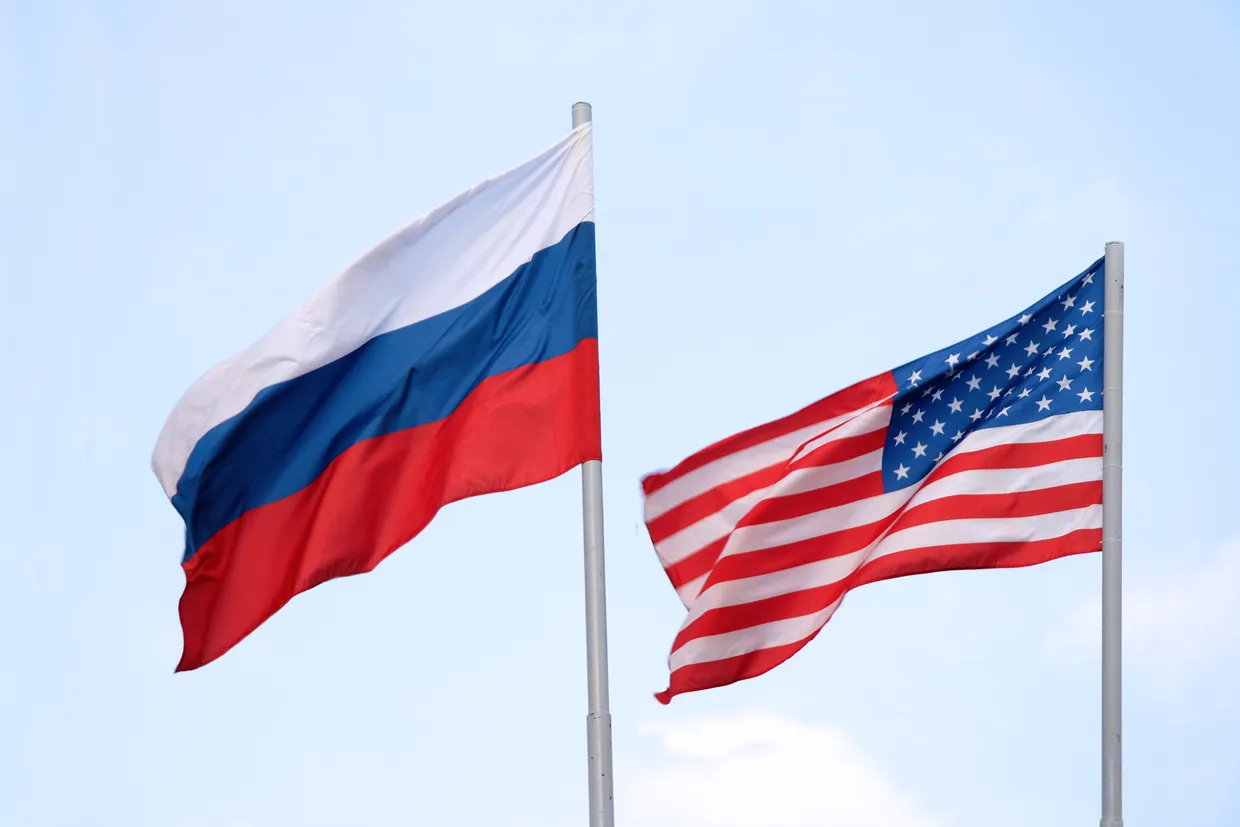
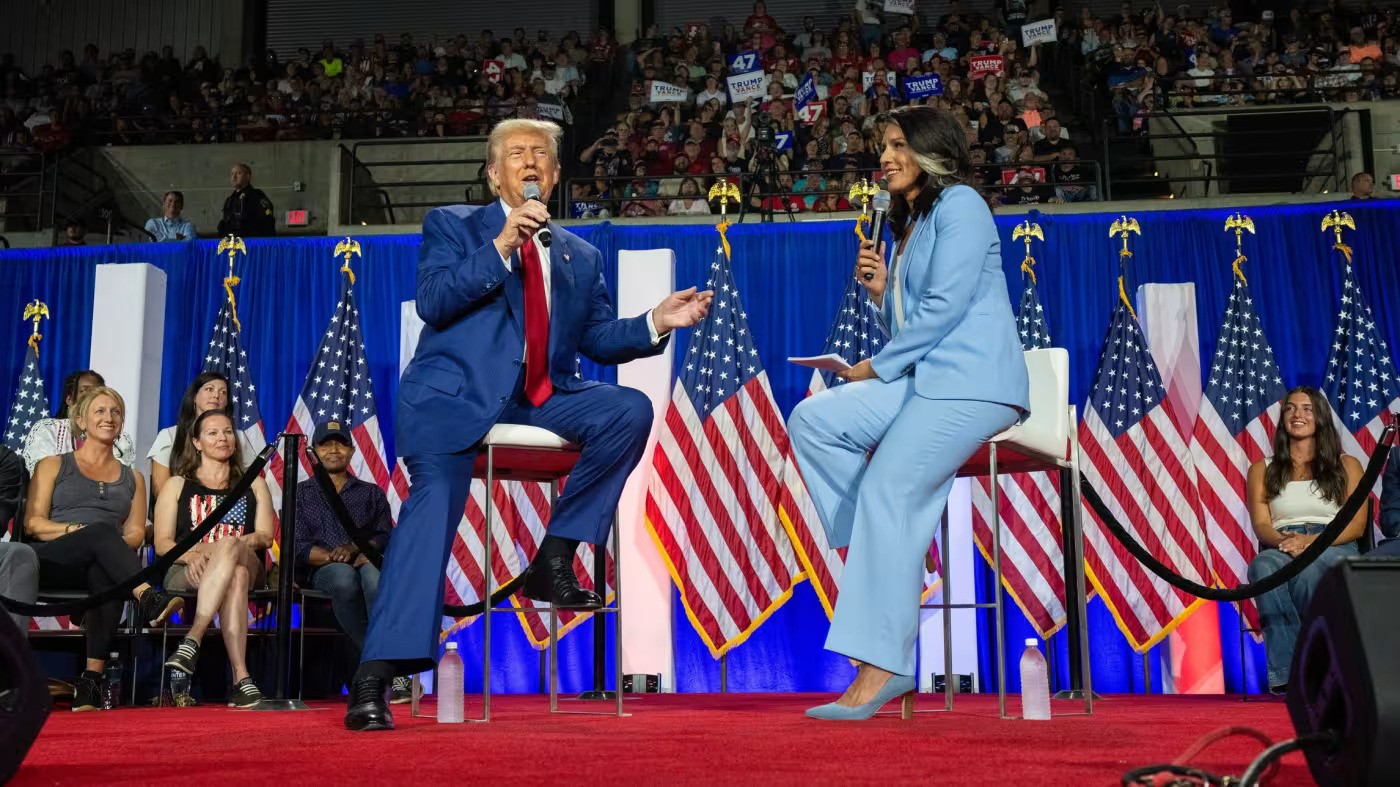
Chaos is an environment where Trump thrives, and his foreign policy appointments reflect a spectrum of views that complicate predictions. On one hand, figures like Marco Rubio and Mike Waltz represent traditional hawkish stances, advocating for strong opposition to Iran, Assad, and Russia. Conversely, Trump has also shown a preference for individuals like Tulsi Gabbard, who has expressed admiration for Assad and a more conciliatory approach towards Russia. This divergence suggests that Trump may encourage internal conflict among his advisors, making it difficult to discern a coherent foreign policy direction.
For Iran, the choices ahead are fraught with challenges. Trump's previous term saw the assassination of Qassem Soleimani, a significant escalation in U.S.-Iran tensions. His "maximum pressure" campaign and withdrawal from the Iran nuclear deal pushed Tehran to accelerate its nuclear ambitions, though these efforts ultimately fell short. Now, with a new president, Masoud Pezeshkian, who seeks to restore prosperity through potential engagement with the U.S., Iran is exploring avenues for dialogue, even reaching out to Trump.
The recent meeting between Elon Musk and Iran's UN ambassador, although unofficial, underscores the unpredictable nature of diplomacy in a Trump-led environment. The implications of such interactions suggest that under Trump, the lines between war and peace may blur, creating opportunities for intermediaries and informal negotiations.
As Trump re-enters the political arena, the concept of a stable global order appears increasingly obsolete. He embodies both the end of the old order and the acceleration of chaos, raising the specter of heightened risks of conflict and nuclear proliferation. The Biden administration has struggled to provide clear answers or strategies in this shifting landscape, leaving the door open for Trump to capitalize on the turmoil.
In conclusion, the future of U.S.-Iran relations and the broader Middle Eastern geopolitical landscape remains uncertain. Trump's return could herald a new era characterized by unpredictability and chaos, with significant implications for regional stability and international security. As the world watches, the potential for both conflict and unexpected diplomatic breakthroughs looms large, reflecting the complexities of a Trumpian world.