US and Russia Hold Next Round of Talks in Turkey Focused on Embassy Operations
-
 Loading...
 - Joyah Leong
- 28 Feb 2025
- 38 Views
- 0 Like
- 0 Comment
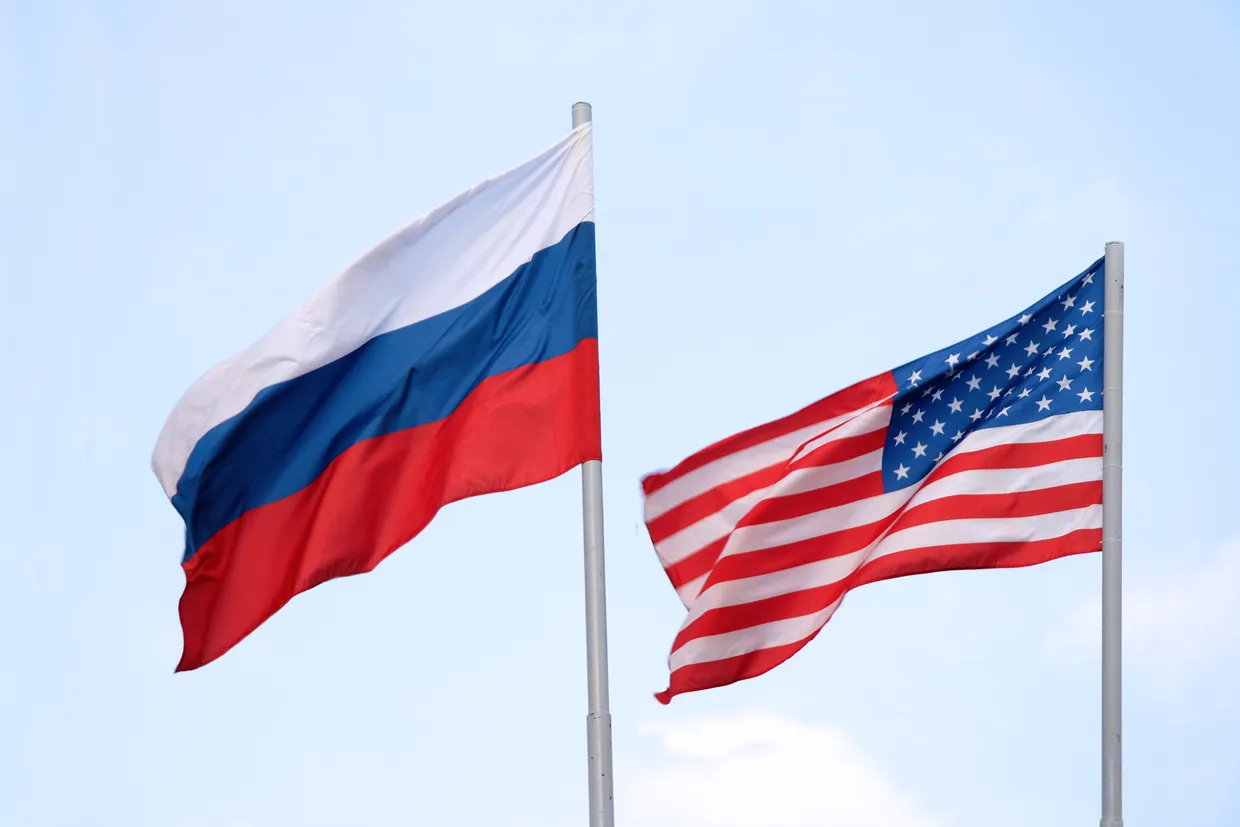
A Russian delegation has arrived at the residence of the U.S. Consul General in Istanbul, marking the beginning of the second round of talks between the United States and Russia. This meeting follows the first round of discussions held in Saudi Arabia on February 18, where U.S. President Donald Trump expressed his intention to broker a peace deal in Ukraine. Notably, Ukrainian delegates were not invited to participate in these talks.
According to a U.S. State Department spokesperson, the second meeting will not address the ongoing conflict in Ukraine. Instead, the discussions will focus on embassy operations, a topic highlighted by Russian Foreign Minister Sergey Lavrov. He indicated that the Russian delegation would consist of "high-level diplomats and experts," although specific names were not disclosed.
The talks are set to take place behind closed doors, with Lavrov emphasizing that the discussions would revolve around "systemic problems" that have arisen due to what he described as the "illegal activities" of the previous U.S. administration. He claimed these actions created "artificial obstacles" for the Russian Embassy, prompting Moscow to respond in kind.
After six and a half hours of discussions, the Russian delegates concluded the meeting without providing comments to the media. This lack of transparency has raised questions about the outcomes of the talks and the future of U.S.-Russia relations.
The Biden administration has largely severed official contacts with Russia following the escalation of the conflict in Ukraine, aiming to isolate President Vladimir Putin on the global stage. However, Trump's potential return to the White House could signal a significant shift in U.S. foreign policy, as he has adopted a more critical stance toward Ukraine and its allies, occasionally echoing Russian narratives.
As the situation develops, the implications of these talks for diplomatic relations between the U.S. and Russia remain to be seen, particularly in the context of ongoing tensions and the broader geopolitical landscape.