Iran Could Attack Israel Today, Netanyahu Eyes Preemptive Strike
-
 Loading...
 - Mandy Kappel
- 06 Aug 2024
- 72 Views
- 0 Like
- 0 Comment
U.S. Secretary of State Antony Blinken has cautioned G7 counterparts about a potential attack by Iran and Hezbollah against Israel that could occur as soon as Monday, according to a report by Axios. Concurrently, the Times of Israel has indicated that the Israeli government, led by Prime Minister Benjamin Netanyahu, is contemplating a preemptive strike on Iran to thwart an attack on Israeli soil.
The Netanyahu administration is reportedly deliberating the possibility of a preemptive strike. High-level discussions involving Mossad Director David Barnea, Shin Bet Chief Ronen Bar, Defense Minister Yoav Gallant, and IDF Chief of Staff Herzi Halevi have taken place to assess the situation.
Hezbollah's Role and Threats
Hezbollah, established in the 1980s with Iranian backing, serves as Iran's primary proxy in the Middle East. It is supported and armed by Iran’s Islamic Revolutionary Guard Corps (IRGC) and recruits mainly from Lebanon's Shiite Muslim community. On Saturday, Iran announced that Hezbollah would intensify its attacks deeper into Israeli territory, extending beyond military targets.
Recent Escalations
This escalation follows the recent killing of senior Hezbollah military commander Fuad Shukr in a densely populated residential area of south Beirut by Israeli forces. Alongside Shukr, five civilians were also killed. Additionally, the assassination of Hamas political leader Ismail Haniyeh in Tehran, though not confirmed by Israeli authorities, has further complicated the situation.
Potential for Full-Scale Conflict
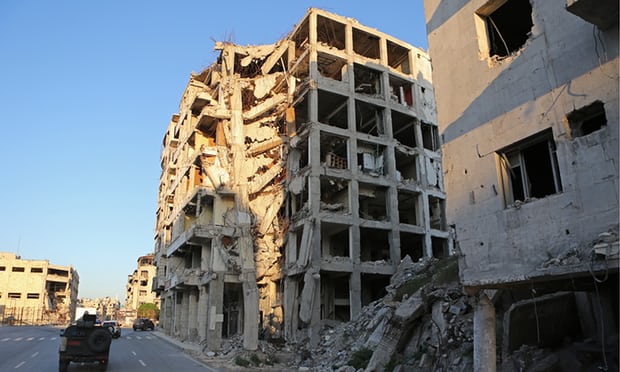
Months of cross-border skirmishes have increased the risk of a full-scale conflict between Hezbollah and Israel. The last significant conflict between the two occurred in 2006, leading to extensive bombings, including Israel targeting Beirut's only passenger airport.
International Concerns and Responses
Due to the escalating tensions, various embassies, including India's, have advised their citizens to leave Lebanon while commercial flights are still operational. Hezbollah has been engaging in almost daily exchanges of fire with Israeli forces, targeting military positions in response to Hamas's attack on Israel on October 7, which ignited the current conflict in Gaza.
Diplomatic Efforts
In light of these developments, U.S. Secretary of State Antony Blinken convened a conference call with G7 foreign ministers to coordinate diplomatic efforts aimed at de-escalating the situation, as reported by Axios. The international community remains on high alert, closely monitoring the situation to prevent further escalation.