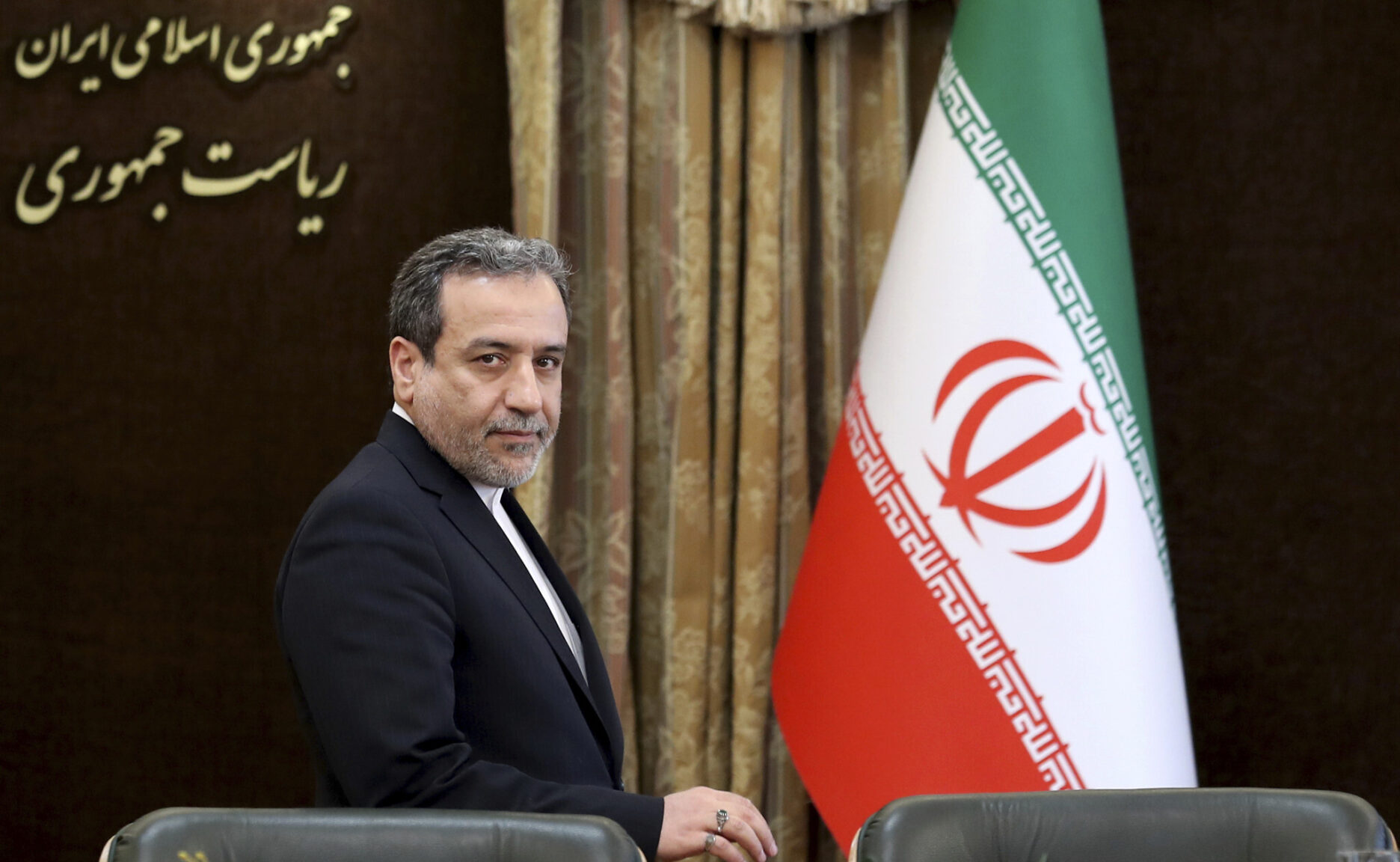
Iran warns Israel not to attack its infrastructure
-
 Loading...
 - Roseline Ampofo
- 08 Oct 2024
- 54 Views
- 0 Like
- 0 Comment
The escalating tensions between Iran and Israel have reached a critical point, with Iran issuing a stern warning against any potential Israeli attacks on its infrastructure. This warning comes amid heightened fears of an Israeli assault on Iranian oil or nuclear sites, following Iran's recent missile barrage.
Iran's Foreign Minister, Abbas Araghchi, emphasized the gravity of the situation, stating that any attack on Iranian infrastructure would provoke a "stronger response." This statement underscores Iran's readiness to defend its assets and retaliate if necessary. The warning follows Israel's announcement that it is preparing a response to Iran's missile attack on October 1, marking the second such incident in six months.
The situation has drawn international attention, with U.S. President Joe Biden cautioning Israel against targeting Iran's oil installations. As one of the world's top producers of crude oil, any disruption to Iran's oil infrastructure could have significant global economic implications.
General Rassul Sanairad of the Islamic Revolutionary Guard Corps further warned that any attack on Iran's nuclear or energy sites would cross a "red line." This statement highlights the potential for severe consequences if the conflict escalates further.
The ongoing tensions are compounded by concerns over Iran's nuclear ambitions. Despite Iran's insistence that its nuclear activities are peaceful, the country has accelerated the production of 60 percent enriched uranium, according to the International Atomic Energy Agency. While enrichment levels of around 90 percent are required for military use, Iran maintains that it has no intention of developing nuclear weapons.
The recent missile attack by Iran, which involved the firing of approximately 200 missiles, was reportedly a response to the deaths of key figures in the region. Hassan Nasrallah, leader of the Iran-backed Lebanese movement Hezbollah, and Hamas political leader Ismail Haniyeh were killed in airstrikes, with Iran blaming Israel for Haniyeh's death. Israel has not commented on these allegations.
The current situation between Iran and Israel is fraught with tension and uncertainty. Both nations are on high alert, with the potential for further escalation looming. The international community is closely monitoring the developments, as any conflict in this volatile region could have far-reaching consequences. As diplomatic efforts continue, the hope remains for a peaceful resolution to prevent further instability in the Middle East.