Home Upload Photo Upload Videos Write a Blog Analytics Messaging Streaming Create Adverts Creators Program
Bebuzee Afghanistan Bebuzee Albania Bebuzee Algeria Bebuzee Andorra Bebuzee Angola Bebuzee Antigua and Barbuda Bebuzee Argentina Bebuzee Armenia Bebuzee Australia Bebuzee Austria Bebuzee Azerbaijan Bebuzee Bahamas Bebuzee Bahrain Bebuzee Bangladesh Bebuzee Barbados Bebuzee Belarus Bebuzee Belgium Bebuzee Belize Bebuzee Benin Bebuzee Bhutan Bebuzee Bolivia Bebuzee Bosnia and Herzegovina Bebuzee Botswana Bebuzee Brazil Bebuzee Brunei Bebuzee Bulgaria Bebuzee Burkina Faso Bebuzee Burundi Bebuzee Cabo Verde Bebuzee Cambodia Bebuzee Cameroon Bebuzee Canada Bebuzee Central African Republic Bebuzee Chad Bebuzee Chile Bebuzee China Bebuzee Colombia Bebuzee Comoros Bebuzee Costa Rica Bebuzee Côte d'Ivoire Bebuzee Croatia Bebuzee Cuba Bebuzee Cyprus Bebuzee Czech Republic Bebuzee Democratic Republic of the Congo Bebuzee Denmark Bebuzee Djibouti Bebuzee Dominica Bebuzee Dominican Republic Bebuzee Ecuador Bebuzee Egypt Bebuzee El Salvador Bebuzee Equatorial Guinea Bebuzee Eritrea Bebuzee Estonia Bebuzee Eswatini Bebuzee Ethiopia Bebuzee Fiji Bebuzee Finland Bebuzee France Bebuzee Gabon Bebuzee Gambia Bebuzee Georgia Bebuzee Germany Bebuzee Ghana Bebuzee Greece Bebuzee Grenada Bebuzee Guatemala Bebuzee Guinea Bebuzee Guinea-Bissau Bebuzee Guyana Bebuzee Haiti Bebuzee Honduras Bebuzee Hong Kong Bebuzee Hungary Bebuzee Iceland Bebuzee India Bebuzee Indonesia Bebuzee Iran Bebuzee Iraq Bebuzee Ireland Bebuzee Israel Bebuzee Italy Bebuzee Jamaica Bebuzee Japan Bebuzee Jordan Bebuzee Kazakhstan Bebuzee Kenya Bebuzee Kiribati Bebuzee Kuwait Bebuzee Kyrgyzstan Bebuzee Laos Bebuzee Latvia Bebuzee Lebanon Bebuzee Lesotho Bebuzee Liberia Bebuzee Libya Bebuzee Liechtenstein Bebuzee Lithuania Bebuzee Luxembourg Bebuzee Madagascar Bebuzee Malawi Bebuzee Malaysia Bebuzee Maldives Bebuzee Mali Bebuzee Malta Bebuzee Marshall Islands Bebuzee Mauritania Bebuzee Mauritius Bebuzee Mexico Bebuzee Micronesia Bebuzee Moldova Bebuzee Monaco Bebuzee Mongolia Bebuzee Montenegro Bebuzee Morocco Bebuzee Mozambique Bebuzee Myanmar Bebuzee Namibia Bebuzee Nauru Bebuzee Nepal Bebuzee Netherlands Bebuzee New Zealand Bebuzee Nicaragua Bebuzee Niger Bebuzee Nigeria Bebuzee North Korea Bebuzee North Macedonia Bebuzee Norway Bebuzee Oman Bebuzee Pakistan Bebuzee Palau Bebuzee Panama Bebuzee Papua New Guinea Bebuzee Paraguay Bebuzee Peru Bebuzee Philippines Bebuzee Poland Bebuzee Portugal Bebuzee Qatar Bebuzee Republic of the Congo Bebuzee Romania Bebuzee Russia Bebuzee Rwanda Bebuzee Saint Kitts and Nevis Bebuzee Saint Lucia Bebuzee Saint Vincent and the Grenadines Bebuzee Samoa Bebuzee San Marino Bebuzee São Tomé and Príncipe Bebuzee Saudi Arabia Bebuzee Senegal Bebuzee Serbia Bebuzee Seychelles Bebuzee Sierra Leone Bebuzee Singapore Bebuzee Slovakia Bebuzee Slovenia Bebuzee Solomon Islands Bebuzee Somalia Bebuzee South Africa Bebuzee South Korea Bebuzee South Sudan Bebuzee Spain Bebuzee Sri Lanka Bebuzee Sudan Bebuzee Suriname Bebuzee Sweden Bebuzee Switzerland Bebuzee Syria Bebuzee Taiwan Bebuzee Tajikistan Bebuzee Tanzania Bebuzee Thailand Bebuzee Timor-Leste Bebuzee Togo Bebuzee Tonga Bebuzee Trinidad and Tobago Bebuzee Tunisia Bebuzee Turkey Bebuzee Turkmenistan Bebuzee Tuvalu Bebuzee Uganda Bebuzee Ukraine Bebuzee United Arab Emirates Bebuzee United Kingdom Bebuzee Uruguay Bebuzee Uzbekistan Bebuzee Vanuatu Bebuzee Venezuela Bebuzee Vietnam Bebuzee World Wide Bebuzee Yemen Bebuzee Zambia Bebuzee Zimbabwe
Blog Image

Is the Communist Party of Vietnam Set to Establish a ‘Core Leadership’ Position?

The consolidation of power under communist party chief Nguyen Phu Trong has some striking parallels to past patterns in Chinese politics.

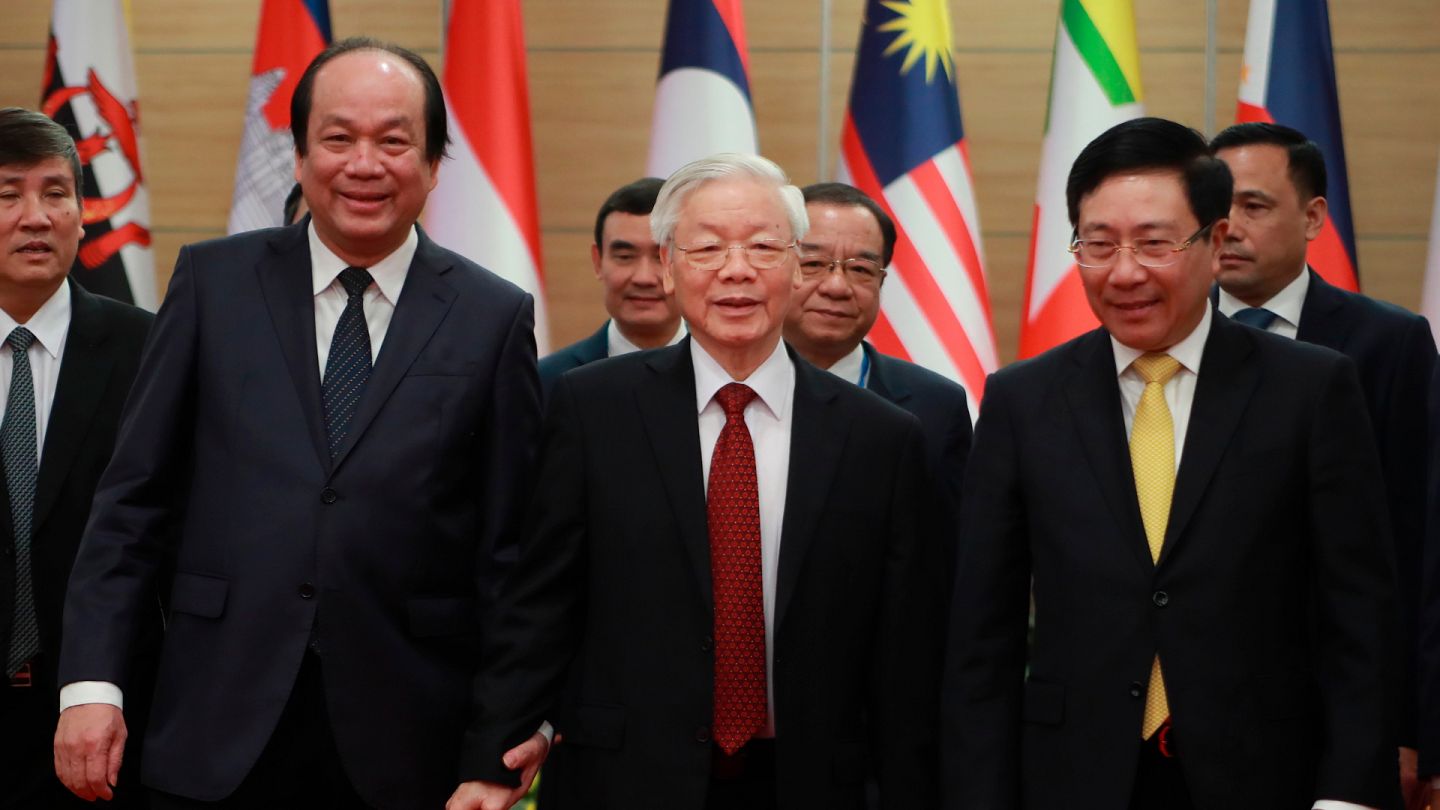
On February 2, the Communist Party of Vietnam (CPV) awarded a medal to its General Secretary Nguyen Phu Trong, marking the fiftieth anniversary of his joining the party. In his speech at the award ceremony, Vo Van Thuong, a member of the CPV Politburo and standing member of the party Secretariat, praised Trong as embodying the virtue of “core leadership.”

In his speech, Thuong borrowed a range of phrases used by Trong in the past, such as “the back-runners follow the fore-runner, one voice is echoed by others,” to describe Trong’s “core leadership” role, which he said had helped build “solidarity” and “unity in thinking” within the party. He also praised Trong for leading “the entire party, the populace, and the armed forces to overcome difficulties and challenges to gain paramount achievements in all fields.”

Adulatory words applied to Trong have frequently appeared in the state media since 2016, and particularly since he was elected to an unprecedented third term at the 13th Party Congress in 2021. However, this was the first time that Trong, who has also been leading the Central Steering Committee for Anti-Corruption and Negative Practices (CSCAN) for more than 10 years, was described as a leader “at the core.” Is this a sign that the CPV will be following the Chinese Communist Party (CCP) in formally establishing a “core leadership” role for Trong amid the current turbulence in Vietnamese politics and the uncertainty about whether he will step down at the mid-term plenary this year, or remain in the job until the end of the term in 2026? Does this have further implications for the leadership of the CPV in general and the position of the general secretary in particular?

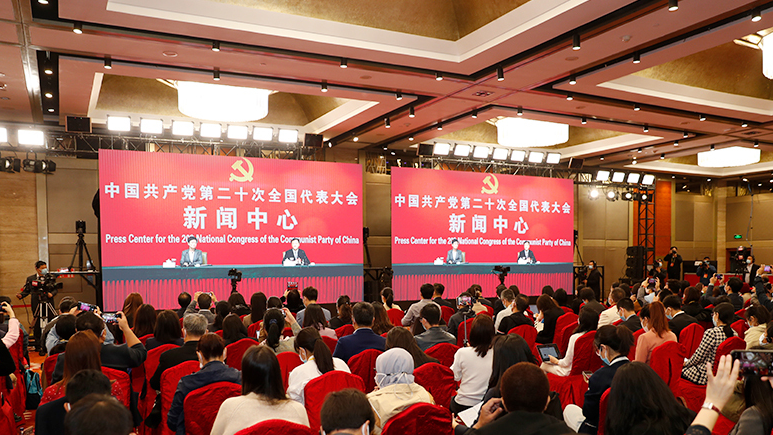
The term “core leadership” has been used by the CCP since the Mao Zedong era to designate one position as the highest authority within the collective leadership of the Central Committee and the party. Though the CCP has always vowed to uphold Marxism-Leninism and the tenets of democratic centralism, Deng Xiaoping once said that “a collective leadership must have a core; without a core, no leadership can be strong enough.”

Mao was established as the “core” of the first generation of the CCP’s collective leadership, and was better known as “Chairman Mao” among the Chinese people. Deng Xiaoping and Jiang Zemin were designated as the cores of the second and third generations of collective leadership, respectively. Hu Jintao succeeded Jiang to become the CCP general secretary in 2002, but was not designated a “core” leader during his two terms in power. Read More…
Previous Post

Survey: GERB and “We Continue the Change” with 1% Difference in the Bulgarian Elections

Next Post

Spain’s intensely political year

Comments