Spain’s intensely political year
-
 Loading...
 - Aurora Garcia
- 20 Feb 2023
- 135 Views
- 0 Like
- 0 Comment
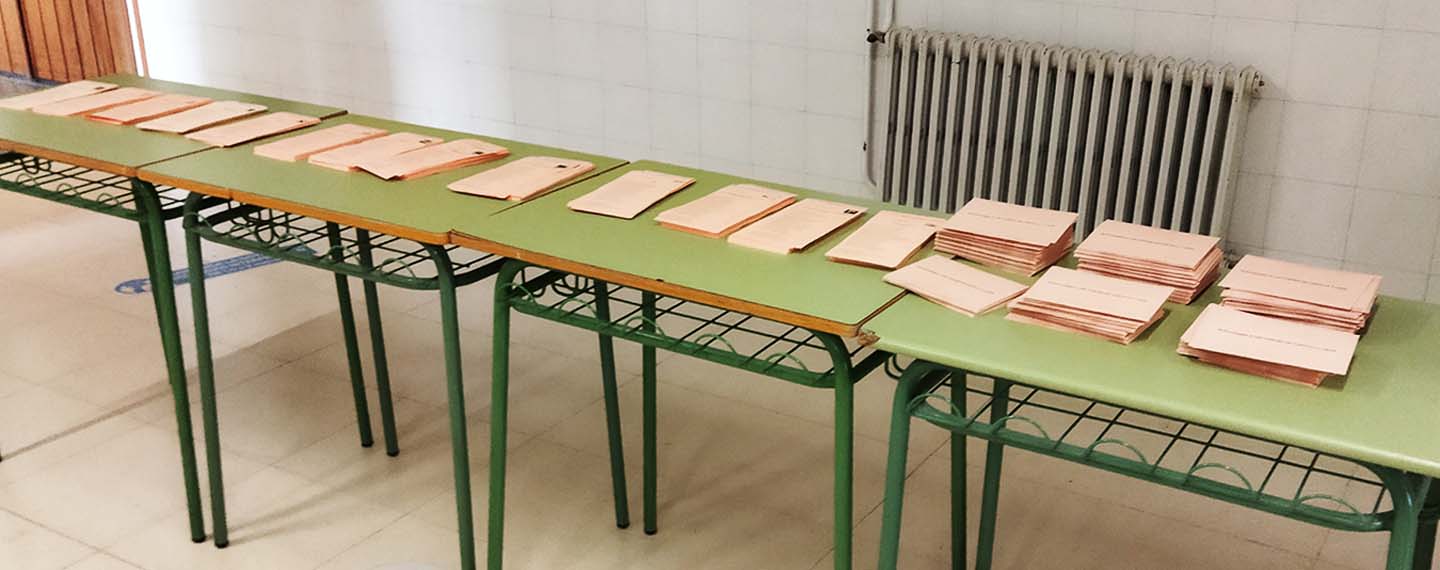
In an ugly climate of polarisation and confrontation, Spain goes to the polls in May to elect more than 8,000 local councillors and 12 regional governments, and a new government by the end of the year.
Municipal and regional elections in May and a general election probably in December make 2023 a very political year, and they will be contested in an ugly climate of polarisation and confrontation.
The Socialists have been in power in a minority since June 2018 after winning a no-confidence motion against the conservative Popular Party (PP) government of Mariano Rajoy over a corruption issue, with the support of separatist and hard-left parties, and then winning the general election in November 2019 and forming Spain’s first coalition government since the 1930s, with Unidas Podemos (UP), and again in a minority.
An indication of whether the Socialists will continue to rule will come in May’s local elections when 8,131 municipalities and the governments of 12 of the country’s 17 regions are up for grabs. In 2019’s municipal elections, the Socialists obtained 6.65 million votes and 22,329 councillors, the PP 5.05 million votes and 20,325 councillors, the would-be centrist Ciudadanos (Cs) 1.87 million votes and 2,788 councillors and the hard-right VOX 659, 736 votes and 530 councillors.
The five regions not holding elections are Catalonia, where pro-independence parties won another victory in 2021; Andalucia, where the PP won an absolute majority in the Socialists’ former fiefdom and also held on to Castile-León; and Galicia and the Basque Country whose elections are not due until 2024, unless called early. Of the 12 elections, the most important politically are those in Madrid, a PP fiefdom since 1995 at the regional level and since 1987 in the Town Hall.
Isabel Díaz Ayuso, the combative Premier of Madrid, called a snap election in 2021 and won a resounding victory but the region still has to hold an election in May. The PP more than doubled the party’s seats to 65 in the 136-strong Assembly, a higher number than the three left-wing parties combined. Her victory was four seats short of an absolute majority. She governs with the support of VOX. Cs lost all the 26 seats it had won in the 2019 election. The PP even conquered the ‘red belt’ districts in the south of Madrid. Read More…