Is there a need to gender beauty and hygiene products?

Skincare is one of the most hyped trends in recent times. However, what caught my attention is the unnecessary division of these products, based on gender.
From packaging to the ingredients, it seems like the whole idea of designing and manufacturing beauty products was focused on keeping up with the idea of making these products usable for a specific gender rather than the effectiveness.
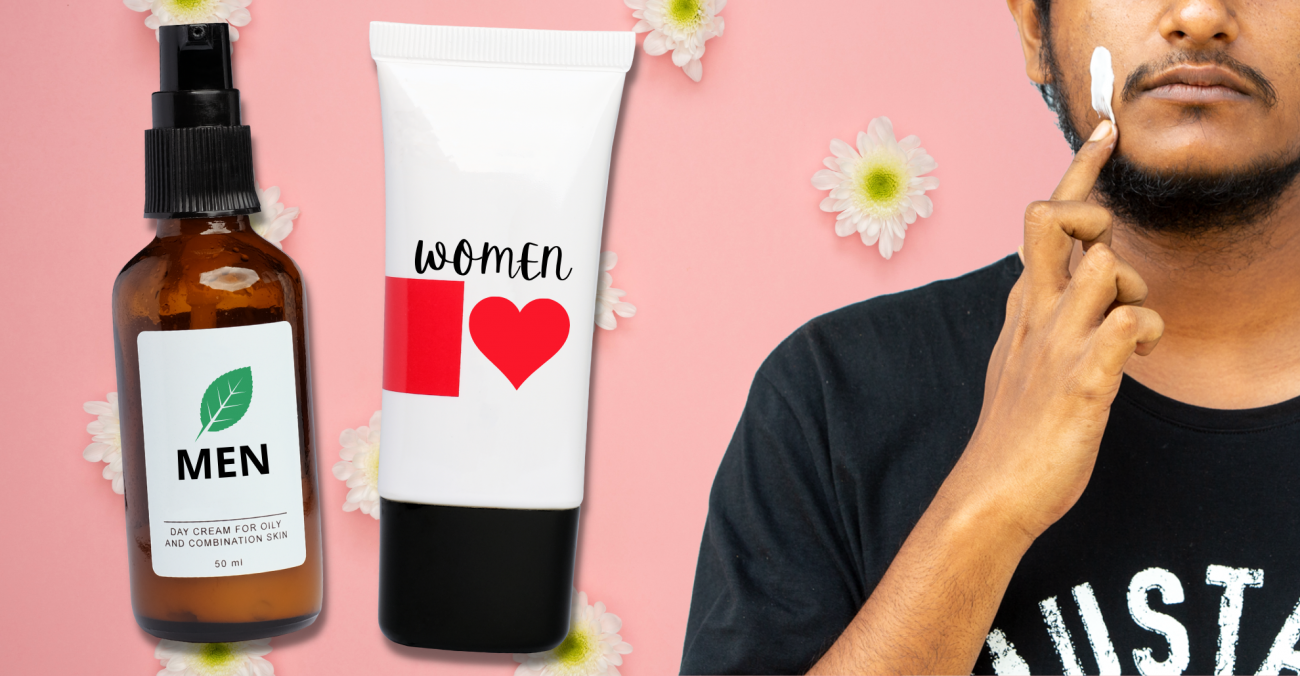
Let's talk about packaging first. We mostly see two segments of skincare products on the market – for men and for women. The main visual difference between its packaging is the colour. Most men's products have dark-coloured packaging, because darker colours are apparently "manly". Oppositely, women's products usually have lighter coloured packaging, like pinks and pastels, with striking designs to attract the female consumers.
The advertising for these products is different from one another, too. In the case for men's product ads, a common plot is men doing hard work or stunts and exposing themselves to external pollution and dirt. On the other hand, ads for women's products usually have a common scenario of girls sitting at home and being concerned about their skin conditions. Both these scenarios clearly normalise the issue of gender inequality and stereotypes about gender roles.
Moving on to the ingredients, usually the affordable men's products in the market contain ingredients and flavourings that are considered or labelled "manly". Charcoal and menthol are very common, and the fragrance of these products are also quite similar, in most cases minty and musky. There are not many options for men, to be honest.
As there is an age-old stereotype that beauty and skincare are for females only, there is way more variation among women's cosmetics and skincare products. There are, in fact, numerous products for women which are made for different skin types. The products smell generally floral and fruity, as these are considered "girly". Read More...