Is Your Skin Retinoid Purging? Here's What to Know
-
 Loading...
 - Justine Geelen
- 23 Jun 2022
- 156 Views
- 0 Like
- 0 Comment
Whether you have stubborn acne or are on a mission to ward off the appearance of premature aging, there’s a very high chance that retinoids have made their way into your skincare routine. “Retinol is one of the best and most effective anti-aging and anti-acne ingredients available,” confirms board-certified dermatologist Dr. Harold Lancer, but using it may come with some side effects.
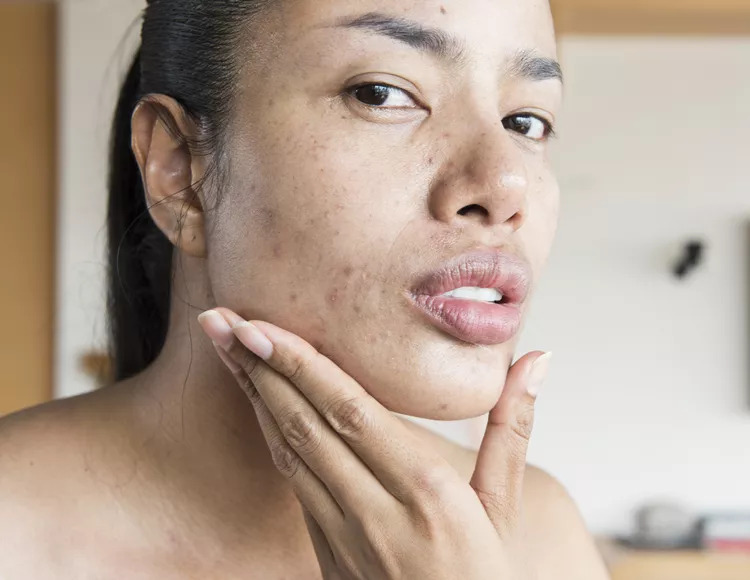
“Retinoids are very effective in promoting increased cell turnover, which brings new, healthy cells to the skin’s surface,” Lancer explains. “However, in doing so, the retinoids can also cause clogging, breakouts, redness, and/or peeling to occur during the initial adjustment phase.”
This alarming stage is known as retinoid purging (often dubbed the “retinol uglies” thanks to its ability to seemingly worsen skin). Since it can be pretty jarring to see skin get worse before it gets better, we asked Lancer, along with board-certified dermatologists Alexis Stephens, M.D., and Corey L. Hartman, M.D., what’s really happening to your skin during the retinoid purging stage and how to overcome it.
What Exactly Is Retinoid Purging?
The word purging translates to purification or cleansing—and that’s exactly what’s happening to your skin during the retinoid purging phase. “Retinoids work at a cellular level to normalize skin turnover,” explains Stephens. “In the realm of acne, retinoids bring out everything clogging your pores that are hiding underneath. The combination of retinoids' ability to increase cell turnover and unclog pores with everything being brought to the surface at once can result in temporary increased breakouts.”
In addition to increased whiteheads and blackheads, Hartman says that new retinoid users may also experience redness, peeling, and general skin irritation, "especially on the areas of the face where the skin is the thinnest, like around the nose and mouth."
As counterintuitive as it may seem, Hartman notes that seeing flare-ups while beginning a new retinoid product is actually a good thing. “It means the retinol is working to turn over your skin,” he says.
The other good news? The retinoid purging stage doesn’t last forever. While it varies based on skin type, Hartman says that a typical purge lasts around four weeks. That said, Stephens says flare-ups can last as long as eight weeks, which she says is equivalent to two cell cycles. “If you have been using a product for more than three months and this purge is still occurring, take a deeper evaluation because something else is happening, and it’s time to see a dermatologist to address the issue,” she adds.
How to Overcome Retinoid Purging
01
Don't Quit Retinol Entirely
If you notice an adverse reaction to your retinoid, your first thought may be to discontinue use. Don’t. “Doing so will stop the progress you’ve made so far, and if you take a full break, you’ll go through the retinization process again,” Hartman warns. “Retinol purging is a temporary side effect; if possible, continue to use your retinol as directed.”
While retinoid purging is perfectly normal for any skin type, Lancer says that it’s important to know whether it’s a purge or a negative reaction. “If you are experiencing intense levels of redness, peeling, or burning, consult with your dermatologist and cease application immediately,” he says.
02
Edit Down Your Routine
Retinoids are the gold standard in skincare and, as such, they can work a world of good almost entirely on their own. With that in mind, Stephens recommends minimizing your skincare routine while incorporating a new retinoid. “Use a gentle cleanser, topical retinoid, and moisturizer,” she suggests. “Look for a moisturizer with MLE technology that can rapidly restore healthy skin barrier function, like Atopalm or Zerafite.”
03
Use It Every Other Night
While continuing use is ideal, Hartman recognizes that you may need to adjust frequency to give your skin a bit of a break. “If needed, stop using retinol daily and drop it down to two to three times a week to give your skin a bit more time to acclimate,” he suggests. “Once you find you can handle two to three times per week, you can try to bump it up to four to five times weekly.”
04
Remember: Less Is More
“Many individuals make the mistake of slathering on copious amounts of a clinical-grade treatment with the mindset that more is better,” Lancer says. He explains that, in reality, overusing nearly any clinical grade anti-aging treatments can cause more damage.
“Overusing the product can strip the skin and cause dryness, redness, flakiness, and irritation,"he warns, noting to instead apply only a small amount, especially when first introducing the new ingredient to your skin.
05
Reinforce Your Skin Barrier
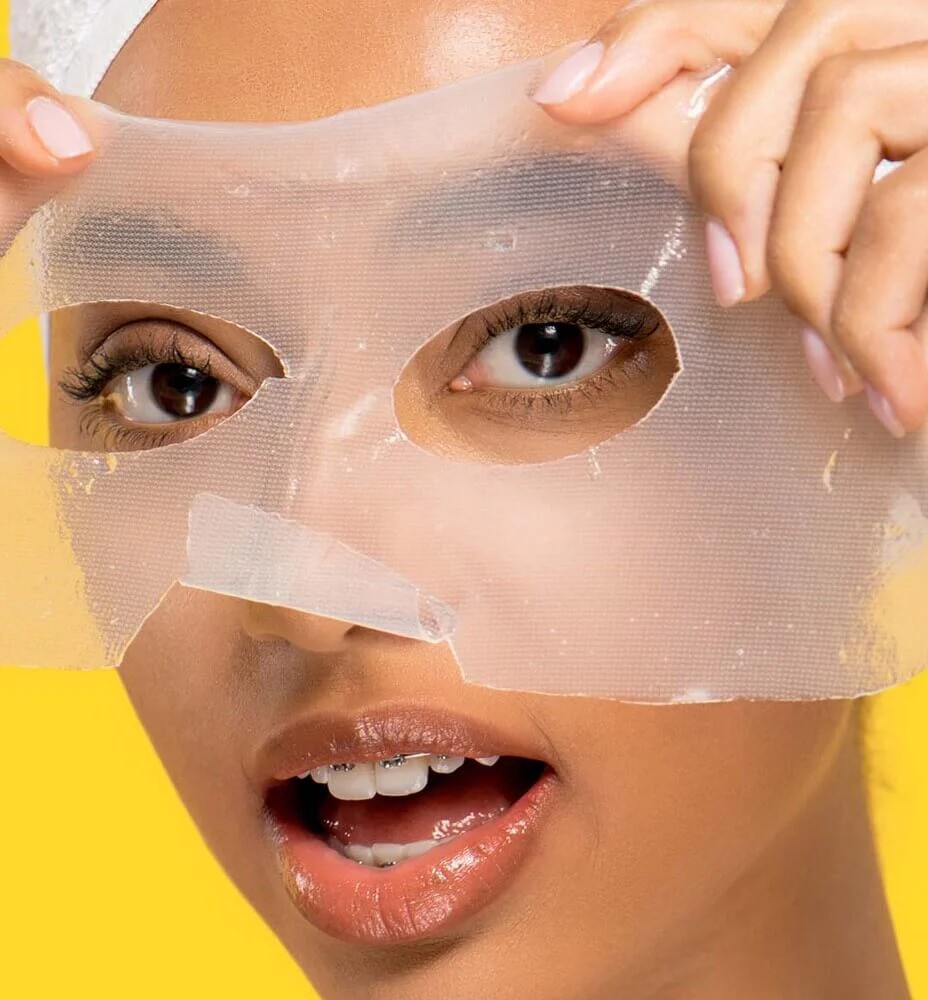
Retinol can transform your skin but also zap it of necessary moisture when incorporated into anti-acne products. “Even if you have naturally oily skin, be sure to use a rich moisturizer to repair the skin barrier,” Lancer says. “Our Nourish Rehydration Mask ($100) does wonders to boost moisture while providing a hydrating barrier to prevent moisture loss.”
Even if you’re not using a retinol-infused acne product, Hartman says that moisturizing is a must, as it will help address any peeling during the initial purge. “Pick a moisturizer with ceramides, hyaluronic acid, or glycerin to really boost hydration and help with some of the visible dryness, peeling, and flaking,” he says. Read More...