‘It is like a vitamin': wave of mindfulness meditation reaches Chinese shores as working adults grapple with stressful lives and Covid-19

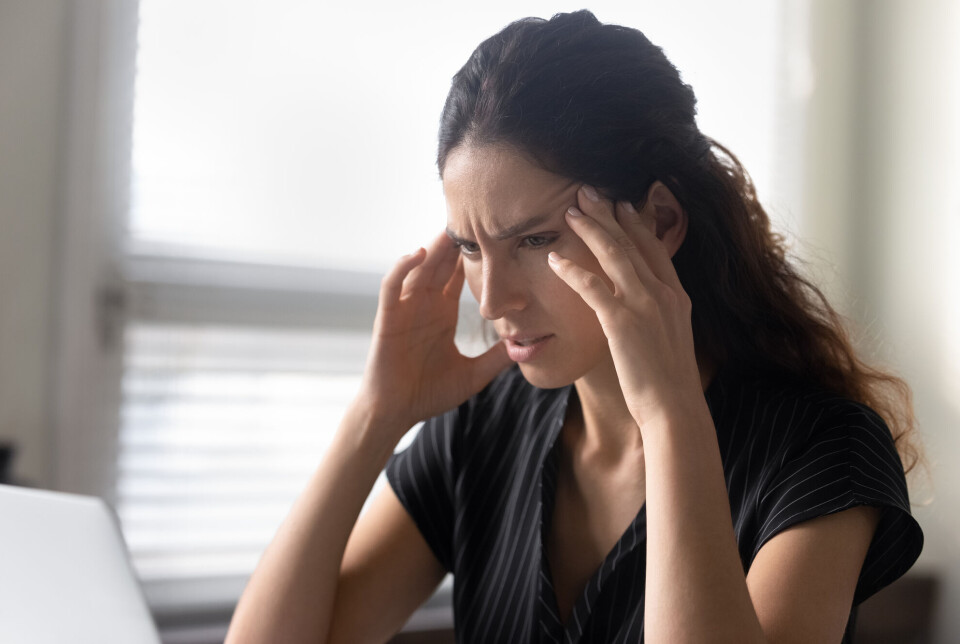
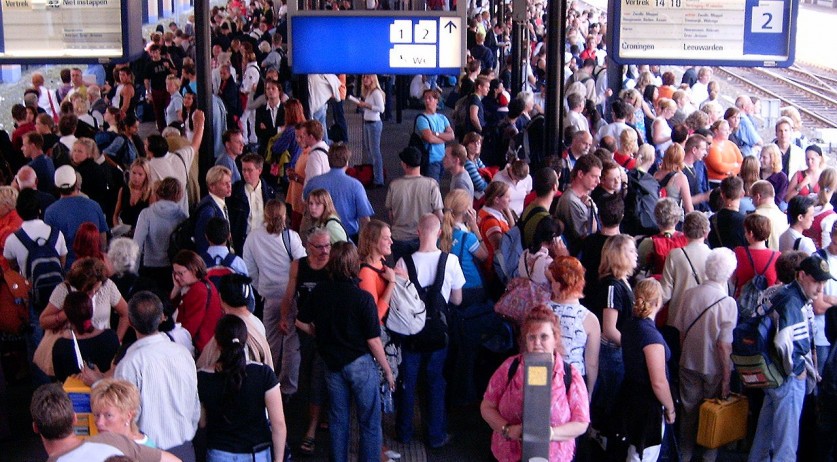
For China’s post-90s generation, the stresses of urban living – long work hours, the high cost of living, dating pressures, and social expectations – have pushed more people to search for ways to de-stress.
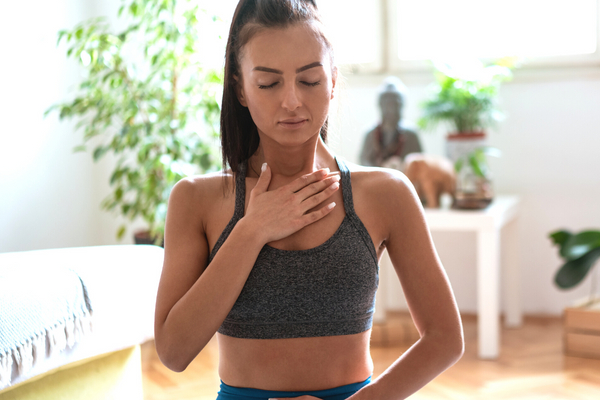
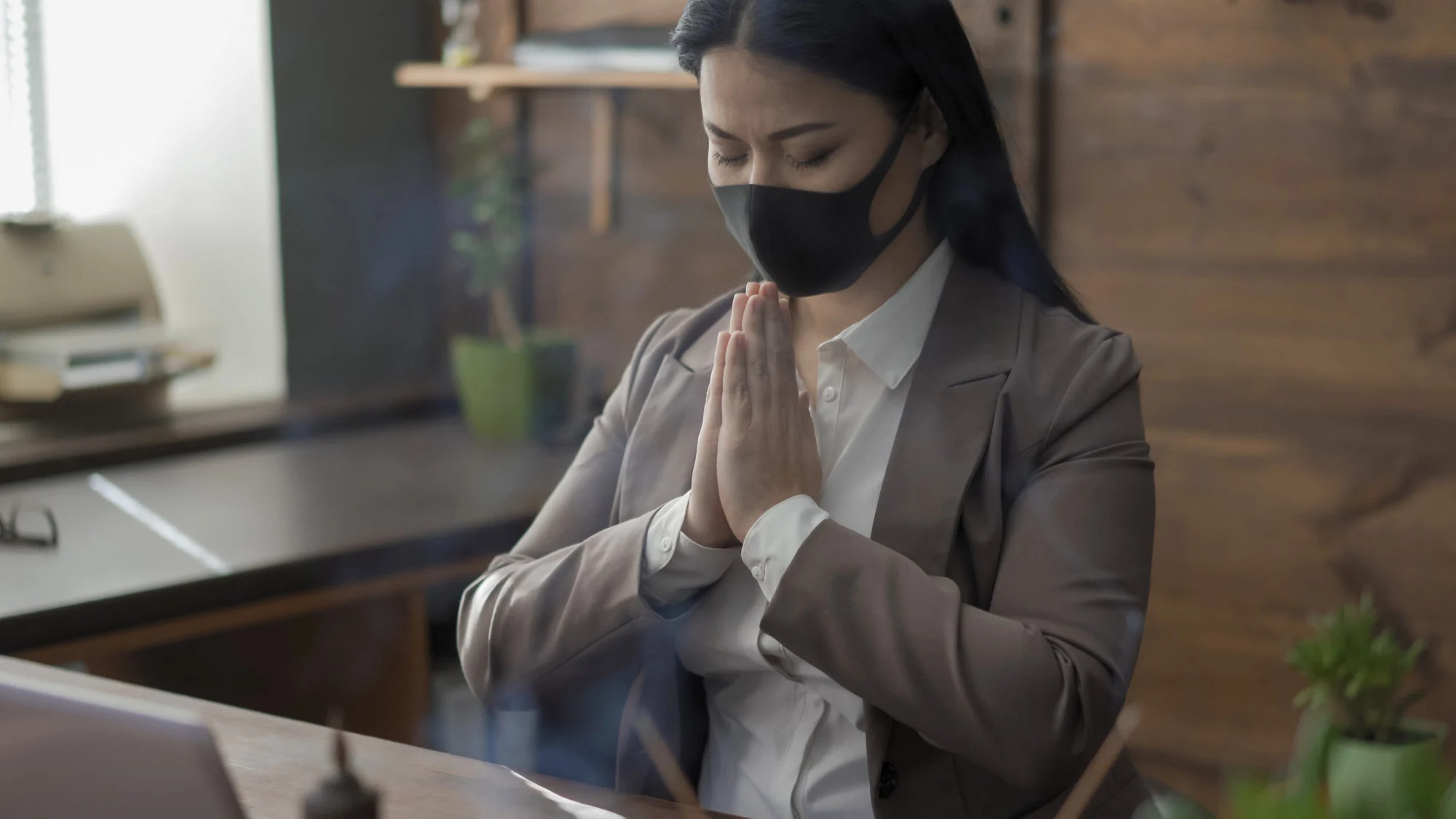
The result has been an increasing popularity of mindfulness, a mental health practice that integrates breathing exercises, meditation and awareness discipline to help people find moments of calm and stillness to help them manage their stress and anxiety levels.
Zhen Rui, 39, an international trade specialist from Guangzhou, the financial megacity in southern China, was introduced to mindfulness meditation in 2017 at the suggestion of her psychotherapist.
“I had been in many relationships in my early 30s but could not get married. I struggled to control my emotions, so my therapist recommended mindfulness meditation,” she said.
Zhen recalled her first time meditating, which was a guided 15-minute session from a tutor who told the class, “Please feel your breathing right now, with the cool air warming as it passes through your lungs …”
Zhen said she could not focus on her breathing during the class, and she described the experience as a “feeling that brought more pain than pleasure”.
“When I focused on my breathing, my negative emotions like anxiety and panic would emerge and engulf me,” Zhen said. “My constant distraction by my phone or other things was actually a form of self-protection, keeping me from feeling my emotions.”
During the meditation, Zhen was not the only one who felt pain. She recalled a 24-year-old woman in her class who broke down and told the instructor, “I am so anxious that I cannot stand it any more.”
Still, Zhen was intrigued enough to join a “meditation camp” in 2017, in which she took part for a year.
For new mindfulness learners, the pain and anxieties from early sessions are quite common. The ability to still one’s mind for even five minutes is far more challenging than it sounds, said Guo Tingting, the founder of the Beijing-based Pause Lab, a programme that helps people learn stress-coping skills. Read More...