Home Upload Photo Upload Videos Write a Blog Analytics Messaging Streaming Create Adverts Creators Program
Bebuzee Afghanistan Bebuzee Albania Bebuzee Algeria Bebuzee Andorra Bebuzee Angola Bebuzee Antigua and Barbuda Bebuzee Argentina Bebuzee Armenia Bebuzee Australia Bebuzee Austria Bebuzee Azerbaijan Bebuzee Bahamas Bebuzee Bahrain Bebuzee Bangladesh Bebuzee Barbados Bebuzee Belarus Bebuzee Belgium Bebuzee Belize Bebuzee Benin Bebuzee Bhutan Bebuzee Bolivia Bebuzee Bosnia and Herzegovina Bebuzee Botswana Bebuzee Brazil Bebuzee Brunei Bebuzee Bulgaria Bebuzee Burkina Faso Bebuzee Burundi Bebuzee Cabo Verde Bebuzee Cambodia Bebuzee Cameroon Bebuzee Canada Bebuzee Central African Republic Bebuzee Chad Bebuzee Chile Bebuzee China Bebuzee Colombia Bebuzee Comoros Bebuzee Costa Rica Bebuzee Côte d'Ivoire Bebuzee Croatia Bebuzee Cuba Bebuzee Cyprus Bebuzee Czech Republic Bebuzee Democratic Republic of the Congo Bebuzee Denmark Bebuzee Djibouti Bebuzee Dominica Bebuzee Dominican Republic Bebuzee Ecuador Bebuzee Egypt Bebuzee El Salvador Bebuzee Equatorial Guinea Bebuzee Eritrea Bebuzee Estonia Bebuzee Eswatini Bebuzee Ethiopia Bebuzee Fiji Bebuzee Finland Bebuzee France Bebuzee Gabon Bebuzee Gambia Bebuzee Georgia Bebuzee Germany Bebuzee Ghana Bebuzee Greece Bebuzee Grenada Bebuzee Guatemala Bebuzee Guinea Bebuzee Guinea-Bissau Bebuzee Guyana Bebuzee Haiti Bebuzee Honduras Bebuzee Hong Kong Bebuzee Hungary Bebuzee Iceland Bebuzee India Bebuzee Indonesia Bebuzee Iran Bebuzee Iraq Bebuzee Ireland Bebuzee Israel Bebuzee Italy Bebuzee Jamaica Bebuzee Japan Bebuzee Jordan Bebuzee Kazakhstan Bebuzee Kenya Bebuzee Kiribati Bebuzee Kuwait Bebuzee Kyrgyzstan Bebuzee Laos Bebuzee Latvia Bebuzee Lebanon Bebuzee Lesotho Bebuzee Liberia Bebuzee Libya Bebuzee Liechtenstein Bebuzee Lithuania Bebuzee Luxembourg Bebuzee Madagascar Bebuzee Malawi Bebuzee Malaysia Bebuzee Maldives Bebuzee Mali Bebuzee Malta Bebuzee Marshall Islands Bebuzee Mauritania Bebuzee Mauritius Bebuzee Mexico Bebuzee Micronesia Bebuzee Moldova Bebuzee Monaco Bebuzee Mongolia Bebuzee Montenegro Bebuzee Morocco Bebuzee Mozambique Bebuzee Myanmar Bebuzee Namibia Bebuzee Nauru Bebuzee Nepal Bebuzee Netherlands Bebuzee New Zealand Bebuzee Nicaragua Bebuzee Niger Bebuzee Nigeria Bebuzee North Korea Bebuzee North Macedonia Bebuzee Norway Bebuzee Oman Bebuzee Pakistan Bebuzee Palau Bebuzee Panama Bebuzee Papua New Guinea Bebuzee Paraguay Bebuzee Peru Bebuzee Philippines Bebuzee Poland Bebuzee Portugal Bebuzee Qatar Bebuzee Republic of the Congo Bebuzee Romania Bebuzee Russia Bebuzee Rwanda Bebuzee Saint Kitts and Nevis Bebuzee Saint Lucia Bebuzee Saint Vincent and the Grenadines Bebuzee Samoa Bebuzee San Marino Bebuzee São Tomé and Príncipe Bebuzee Saudi Arabia Bebuzee Senegal Bebuzee Serbia Bebuzee Seychelles Bebuzee Sierra Leone Bebuzee Singapore Bebuzee Slovakia Bebuzee Slovenia Bebuzee Solomon Islands Bebuzee Somalia Bebuzee South Africa Bebuzee South Korea Bebuzee South Sudan Bebuzee Spain Bebuzee Sri Lanka Bebuzee Sudan Bebuzee Suriname Bebuzee Sweden Bebuzee Switzerland Bebuzee Syria Bebuzee Taiwan Bebuzee Tajikistan Bebuzee Tanzania Bebuzee Thailand Bebuzee Timor-Leste Bebuzee Togo Bebuzee Tonga Bebuzee Trinidad and Tobago Bebuzee Tunisia Bebuzee Turkey Bebuzee Turkmenistan Bebuzee Tuvalu Bebuzee Uganda Bebuzee Ukraine Bebuzee United Arab Emirates Bebuzee United Kingdom Bebuzee United States Bebuzee Uruguay Bebuzee Uzbekistan Bebuzee Vanuatu Bebuzee Venezuela Bebuzee Vietnam Bebuzee World Wide Bebuzee Yemen Bebuzee Zambia Bebuzee Zimbabwe
Blog Image

It's Art That is Alive: Artists Carlos Betancourt and Luvia Lazo on Honoring the Natural Elements and Cultural Traditions of Mexico

This is part of a special series of Creative Conversations focused on Mexico’s contemporary art, design, and culture.

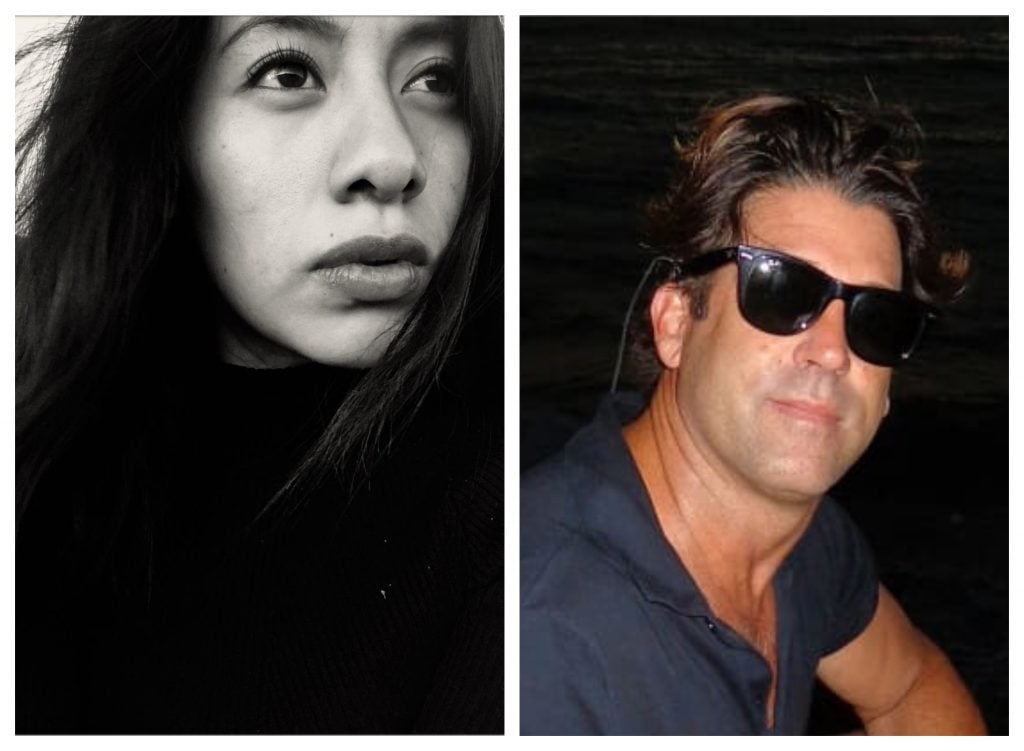
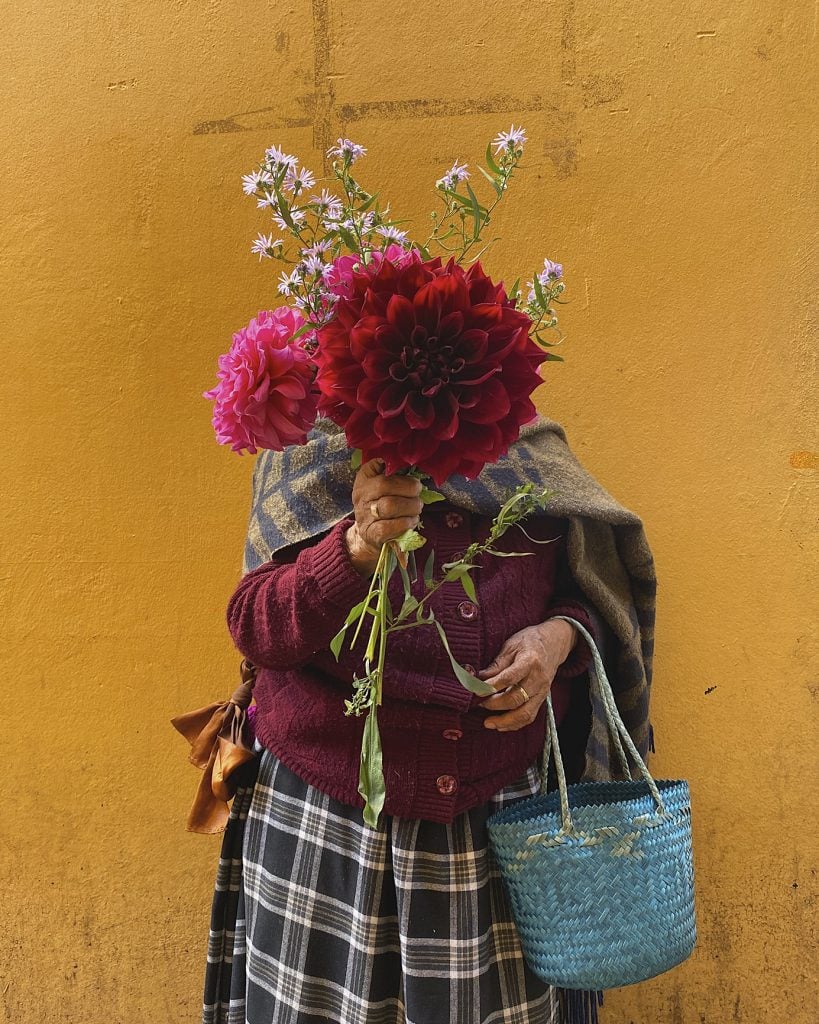
Far too often, photographer Luvia Lazo sees people from her Zapotec community—a culture originating from the Oaxacan region of Mexico—depicted through the lens of an outsider. The goal of her work is to add her perspective as a native woman. In a recent series, “Kanitlow,” Lazo positioned her subjects in ways that obscured their faces while highlighting cultural elements that are at risk of disappearing, from local flowers to a traditional garment or hairstyle.

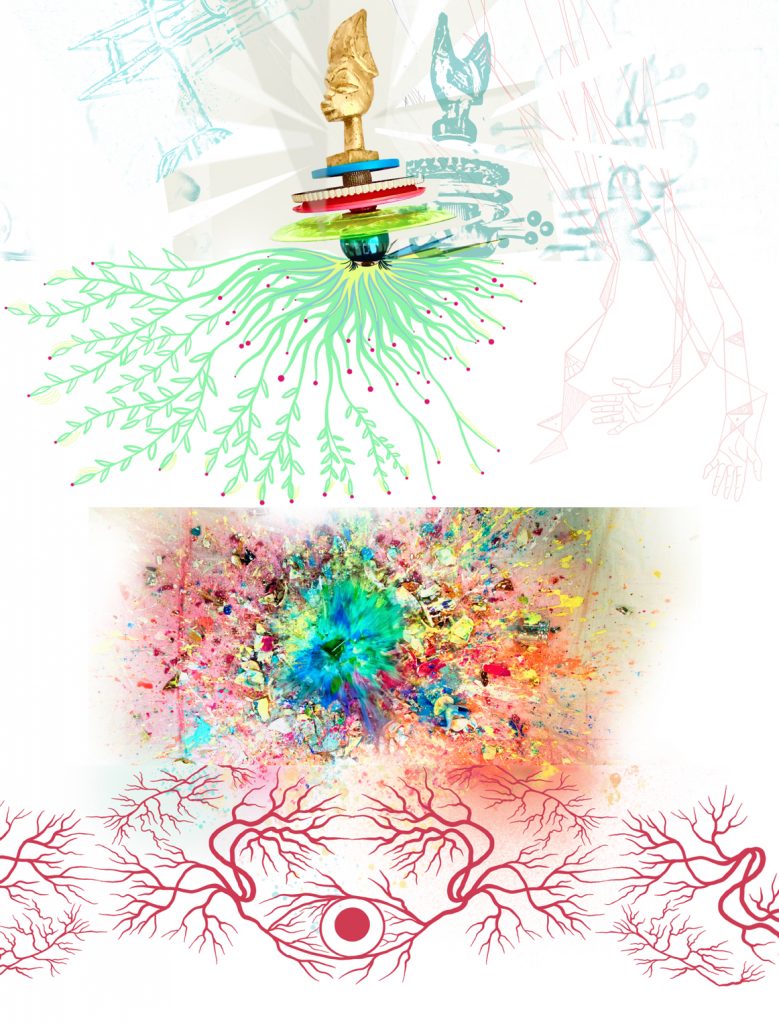
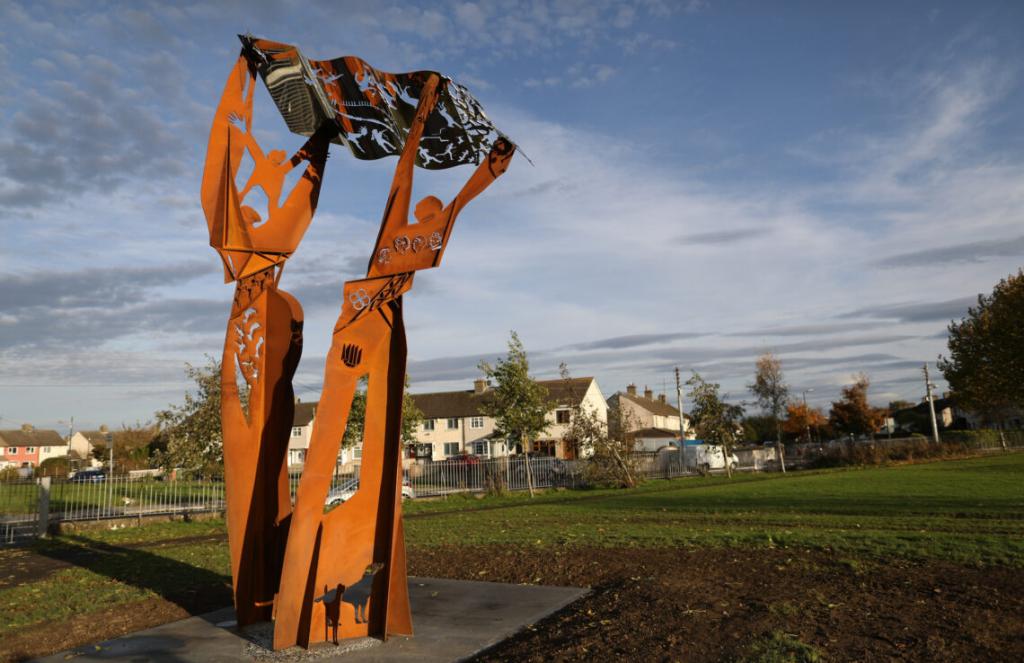
Born in Puerto Rico and now based in Miami, multimedia artist Carlos Betancourt is also interested in preserving the cultural traditions of Mexico, which he’s visited regularly over the last 35 years. For his latest public art project, Milagros!, he hung hundreds of hojalata (tin) charms—symbols of devotion, hope, and healing, all handcrafted by Oaxacan artisans—over a street in Miami Beach.

Sharing in their mutual admiration for how much art imbues everyday life in Mexico, the artists spoke with Artnet News on the need (for local and non-local artists alike) to “keep it real,” as Betancourt says, while paying homage to the country’s cultural traditions in their work. 
What is the story behind each of your decisions to pursue a creative career?

Luvia Lazo (L.L.): I never planned to work as a creative. I’m from a little village in Oaxaca, where your first thought is to start making things to get money or [an] opportunity [for] a better life.

I discovered that photography was the way I wanted to do that. I wanted to share another perspective from our community in Oaxaca. I wanted to show us as we are; to have more honest and real photos of thoughts and feelings—as an indigenous woman, especially. I was a bit tired of seeing us just as one thing all of the time. I wanted to go deeper.

Carlos Betancourt (C.B.): I feel that [art, as] my calling, was predisposed—that it was decided by someone else a long time ago.

I always knew I wanted to create things, [ever] since I was young. I don’t know if it was the culture around me, but my parents told me I always had a pen and a pencil in hand; [I was always] drawing. I just didn’t know which discipline [I would pursue].
What draws you to Mexico as a fruitful setting for artistic production?

L.L.: [In] Mexico, especially Oaxaca, things are very connected: People are connected to [the] earth, to nature. Everything feels alive—things, places—and everyone is creative. When people visit Oaxaca, they can see art really [coming] alive in people and things.

[They may not be] aware that they are, but everyone in Mexico is an artist. So I think as someone from Mexico, that allows you to explore.

C.B.: I will add to what [you] said, Luvia: I call Mexico “the continent of Mexico.” It’s a world unto itself. It’s so different from any other cultural force out there; it is so defined.

I think when you have a culture that understands its traditions so well, it grounds you [as an artist]. It gives you such a solid foundation for your work. Also [in] Mexico, it’s like a living culture—in Spanish, we call it “cultura viva.” It’s art that is alive.

I don’t live in Mexico, but I’ve been going for 35 years. It’s difficult to compete with the culture itself because Mexicans, in general, they live their art. They’re surrounded by it.

I admire the Mexican people—how they fight for their culture, for their traditions. I think that without that,, we don’t have art. Read More…
Previous Post

Vienna's human remains exhibition dabbles with ethical dilemmas

Next Post

How Serbian street art is using the past to shape the future

Comments