Italian Real Estate Market Outlook 2025
-
 Loading...
 - Layla Mido
- 20 Feb 2025
- 38 Views
- 0 Like
- 0 Comment
The Italian real estate market is expected to experience notable changes in the coming years, influenced by various economic, social, and demographic factors. As we look ahead to 2025, here are some key trends and insights that are likely to shape the landscape of real estate in Italy.
1. Continued Urbanization and Demand for Housing
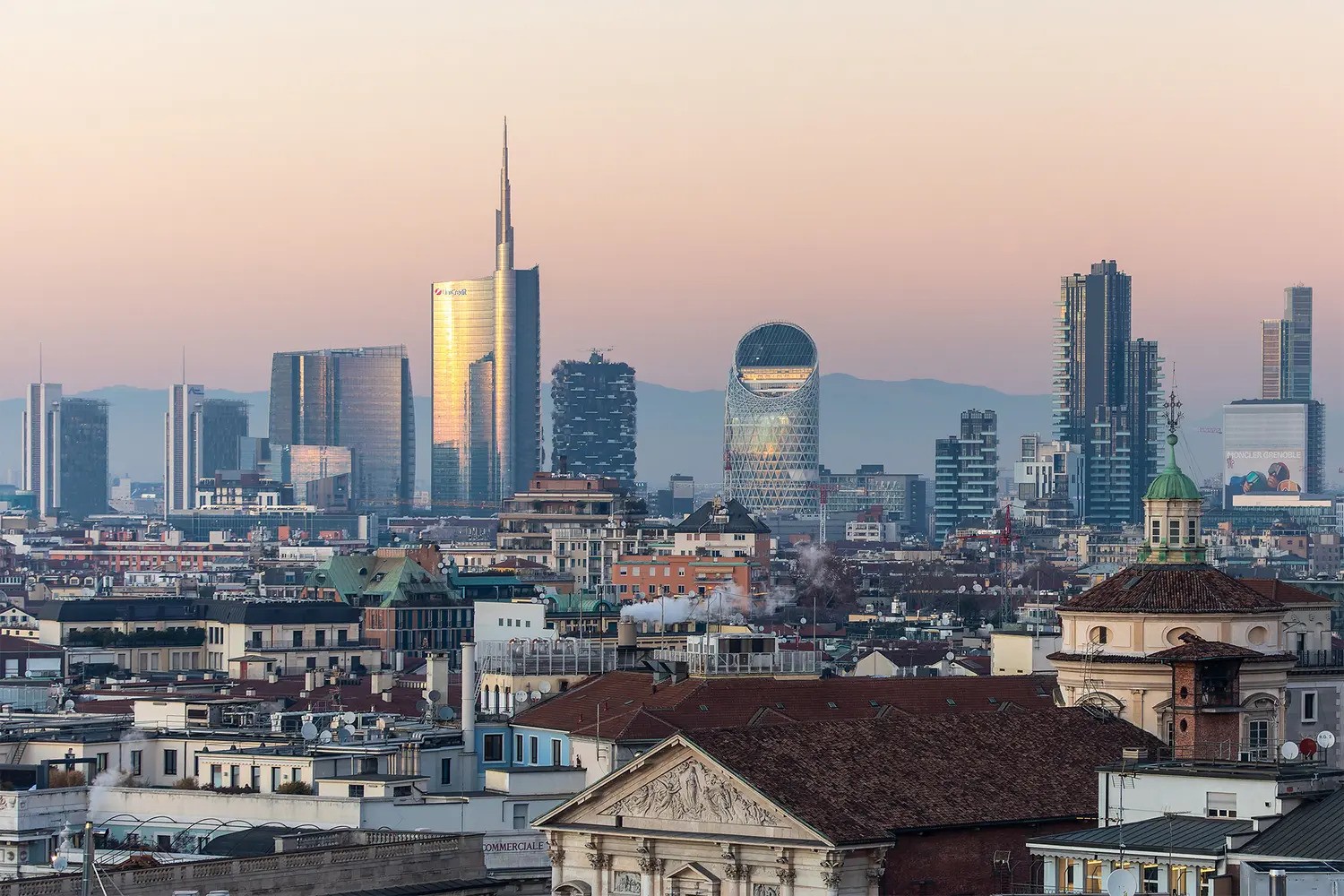
Urban centers in Italy, particularly cities like Milan, Rome, and Florence, are likely to see ongoing population growth and urbanization. This trend will drive demand for residential properties, especially in the rental market. Young professionals and families are increasingly seeking housing in urban areas that offer amenities, job opportunities, and vibrant lifestyles. Developers may focus on creating mixed-use developments that combine residential, commercial, and recreational spaces to meet this demand.
2. Sustainability and Green Building Practices
Sustainability is becoming a crucial consideration in the real estate sector. By 2025, there will likely be a stronger emphasis on eco-friendly building practices and energy-efficient properties. The Italian government has been promoting initiatives to improve energy efficiency in buildings, and this trend is expected to continue. Developers may increasingly incorporate sustainable materials, renewable energy sources, and green certifications into their projects to cater to the growing demand for environmentally responsible living spaces.
3. Rise of Remote Work and Suburban Living
The COVID-19 pandemic has accelerated the trend of remote work, leading many individuals and families to reconsider their living arrangements. By 2025, a shift towards suburban and rural areas may occur as people seek larger homes with outdoor spaces. This trend could result in increased demand for properties in smaller towns and regions outside major cities, as buyers prioritize quality of life and affordability over proximity to urban centers.
4. Investment Opportunities in Tourism and Short-Term Rentals
Italy remains a top tourist destination, and the real estate market is likely to benefit from the resurgence of tourism post-pandemic. Investors may increasingly look at properties in popular tourist areas for short-term rental opportunities. Cities like Venice, Florence, and coastal regions are expected to attract interest from both domestic and international investors seeking to capitalize on the tourism sector. However, regulatory changes regarding short-term rentals may impact this market, so investors will need to stay informed about local laws.
5. Technological Advancements in Real Estate
The integration of technology in the real estate sector is expected to grow, enhancing the buying, selling, and renting processes. Virtual tours, online property listings, and digital transaction platforms will become more prevalent, making it easier for buyers and renters to explore options remotely. Additionally, data analytics and artificial intelligence may play a role in market analysis, helping investors make informed decisions based on trends and consumer behavior.
The Italian real estate market is set to evolve significantly by 2025, influenced by urbanization, sustainability, changing work patterns, tourism, and technological advancements. Investors, developers, and homeowners will need to adapt to these trends to navigate the dynamic landscape effectively. As Italy continues to attract both domestic and international interest, the real estate sector is likely to remain a vital component of the country's economy.