Italy's Meloni Torn Between Trump and European Allegiance
-
 Loading...
 - Archie Bailey
- 24 Mar 2025
- 44 Views
- 0 Like
- 0 Comment
Italian Prime Minister Giorgia Meloni finds herself in a precarious position as she navigates the complex waters of international politics, balancing her admiration for former U.S. President Donald Trump with Italy's strategic ties to the European Union. As Europe moves to bolster its defenses amid geopolitical tensions, Meloni's nationalist instincts are at odds with the realities of her role within the EU.
Meloni, who has been in power since 2022, was the only EU leader to attend Trump’s inauguration in January, signaling her alignment with his administration. However, her unwavering support for Trump has raised eyebrows, especially as he has imposed tariffs on European goods and threatened to withdraw support for Ukraine in its conflict with Russia. Despite participating in emergency talks with European partners, her engagement has sometimes appeared lackluster, leading critics to accuse her of isolating Italy within the EU.
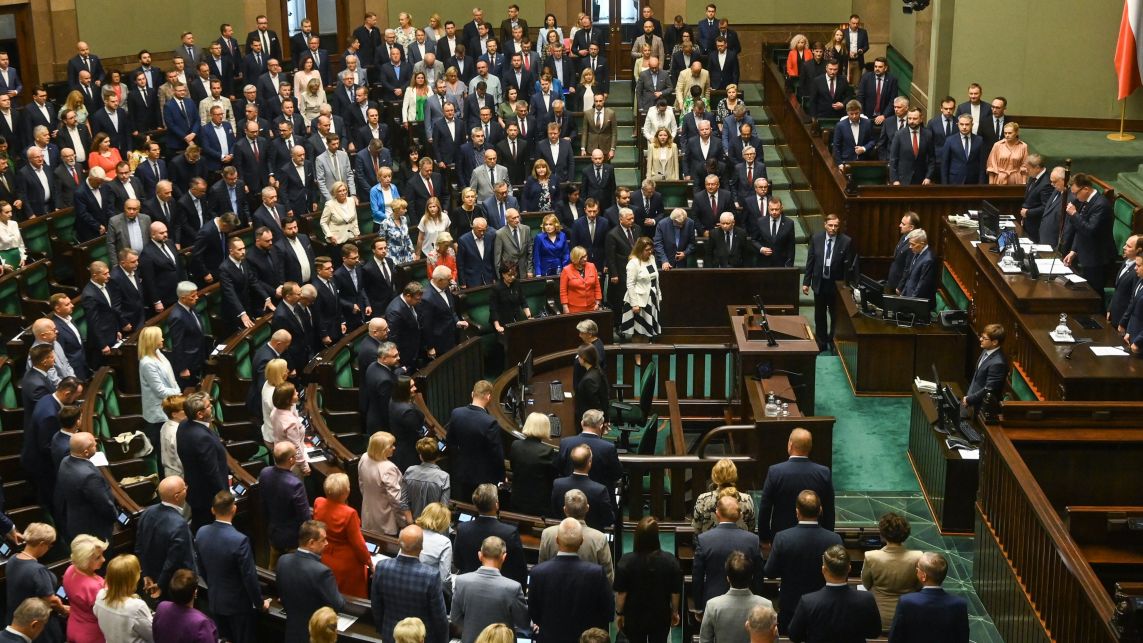
As she prepared for a summit of European leaders, Meloni dismissed claims that she was under Trump’s influence. “I don’t blindly follow either Europe or the United States,” she stated in parliament. “I am in Europe because Italy is in Europe, so it’s not like we’re thinking of going somewhere else, but I also want the West to be compact.”
Since founding her Brothers of Italy party in 2012, Meloni has emphasized strong ties with the U.S. while softening her earlier euroscepticism. However, the current geopolitical climate, characterized by Trump’s unpredictable foreign policy, has complicated her ambitions to act as a bridge between Europe and the White House. With France and Britain taking the lead in responding to Trump’s policies, Meloni’s hopes of mediating have been put on hold.
“Right now, Meloni does not have the leverage to play a mediating role with Trump,” noted Giovanni Orsina, a politics professor at Rome's Luiss University. “If Trumpism enters a second, more constructive phase, she might be able to leverage her political and personal affinities.”
In light of Trump’s criticisms of NATO and his suggestion that he might not defend member states in the future, Meloni has called for increased military cooperation with the U.S. and an immediate summit between allies. However, her calls have largely gone unanswered by Washington. Sources within her office indicate that she is seeking a meeting with Trump in the coming months, especially as the EU prepares to impose counter-tariffs on U.S. goods.
In her recent address to parliament, Meloni questioned the wisdom of retaliatory tariffs and emphasized the importance of NATO. “It is right that Europe equips itself to do its part, but it is naive, at best, to think it can do so without NATO,” she stated, while avoiding a commitment to increase Italy’s defense budget.
Italy currently spends only 1.5% of its GDP on defense, well below NATO’s recommended 2% threshold and far from the 5% Trump has demanded. This has weakened her standing in Washington, where diplomats express concern that Italy may be overlooked in favor of countries that meet defense spending expectations.
Despite U.S. pressure, Meloni faces resistance from her coalition partner, the far-right League, regarding participation in the European Commission's "ReArm" project. Economy Minister Giancarlo Giorgetti has voiced concerns about public sentiment, suggesting that many Italians oppose increased defense spending. An IPSOS poll indicated that 39% of voters were against the ReArm initiative, while only 28% supported it.
However, Italy’s robust armaments industry, including major players like Leonardo and Fincantieri, risks missing out on significant opportunities if Meloni opts out of the project. European Commissioner for Defense Andrius Kubilius emphasized the importance of expanding the defense industry to create jobs and enhance national security.
As Meloni navigates the delicate balance between her admiration for Trump and her responsibilities within the EU, the pressure is mounting. While her heart may lie with America, the realities of Italy’s economic ties to Europe cannot be ignored. As she grapples with these competing interests, the future of Italy’s foreign policy remains uncertain, and her ability to effectively lead in this complex landscape will be closely watched by both allies and critics alike.