Options for Peace in Ukraine
-
 Loading...
 - Caitlin Byrne
- 19 Mar 2025
- 36 Views
- 0 Like
- 0 Comment
The ongoing conflict between Russia and Ukraine has resulted in significant loss of life and widespread devastation. As both Russian President Vladimir Putin and Ukrainian President Volodymyr Zelenskyy express the need for a lasting peace, various options for achieving this goal are being considered. Here’s an overview of potential pathways to peace in Ukraine.
Ongoing Ceasefire
One immediate option is to extend the recently agreed-upon 30-day partial ceasefire. If both sides adhere to the terms, this ceasefire could evolve into a more enduring arrangement. Dr. David Blagden, an associate professor in international security, suggests that a ceasefire can lead to a long-term solution, similar to the demilitarized zone (DMZ) established between North and South Korea. However, establishing a DMZ would require both Ukraine and Russia to withdraw troops from the frontline, which remains a significant challenge.
Territorial Concessions
Another potential avenue for peace involves both parties making territorial concessions. Putin’s demands include the recognition of Crimea and several other regions—Donetsk, Luhansk, Kherson, and Zaporizhzhia—as part of a 'New Russia.' While Luhansk is largely under Russian control, Ukraine still holds significant portions of Donetsk, Zaporizhzhia, and Kherson, making any concession difficult for Kyiv. Analysts suggest that while Ukraine may find it hard to relinquish these territories, there could be a recognition of the challenges in retaking them, especially without assured military support.
Division of Assets
Former President Donald Trump has proposed the idea of dividing certain assets between Ukraine and Russia, which could include land and critical infrastructure such as the Zaporizhzhia nuclear plant. This approach could facilitate negotiations by addressing some of the immediate concerns regarding control over vital resources.
Leadership Changes in Ukraine
A potential truce might also involve a change in leadership in Ukraine. Zelenskyy has indicated a willingness to step down if it leads to Ukraine joining NATO, although this remains a contentious issue. A new leader could be more amenable to negotiations with Russia, but finding a suitable candidate who commands public support poses a challenge. The Kremlin would likely prefer a pro-Russian regime in Kyiv, which could complicate the political landscape.
Minor Concessions for Ukraine
While significant territorial concessions may be difficult for Ukraine to accept, there could be opportunities for minor concessions. These might include security guarantees from the U.S. in exchange for ceding territory, as well as the return of abducted Ukrainian children and prisoners of war. Such agreements could help build trust and pave the way for a more comprehensive peace deal.
Coalition of the Willing
The idea of a "coalition of the willing" has been proposed by leaders like Sir Keir Starmer and French President Emmanuel Macron. This coalition could involve a peacekeeping force to uphold a potential truce. However, the absence of U.S. leadership in these discussions raises questions about the coalition's effectiveness. The proposed force would likely not guard the entire frontline but could be stationed at strategic locations to monitor the situation.
Neutral Peacekeeping Force
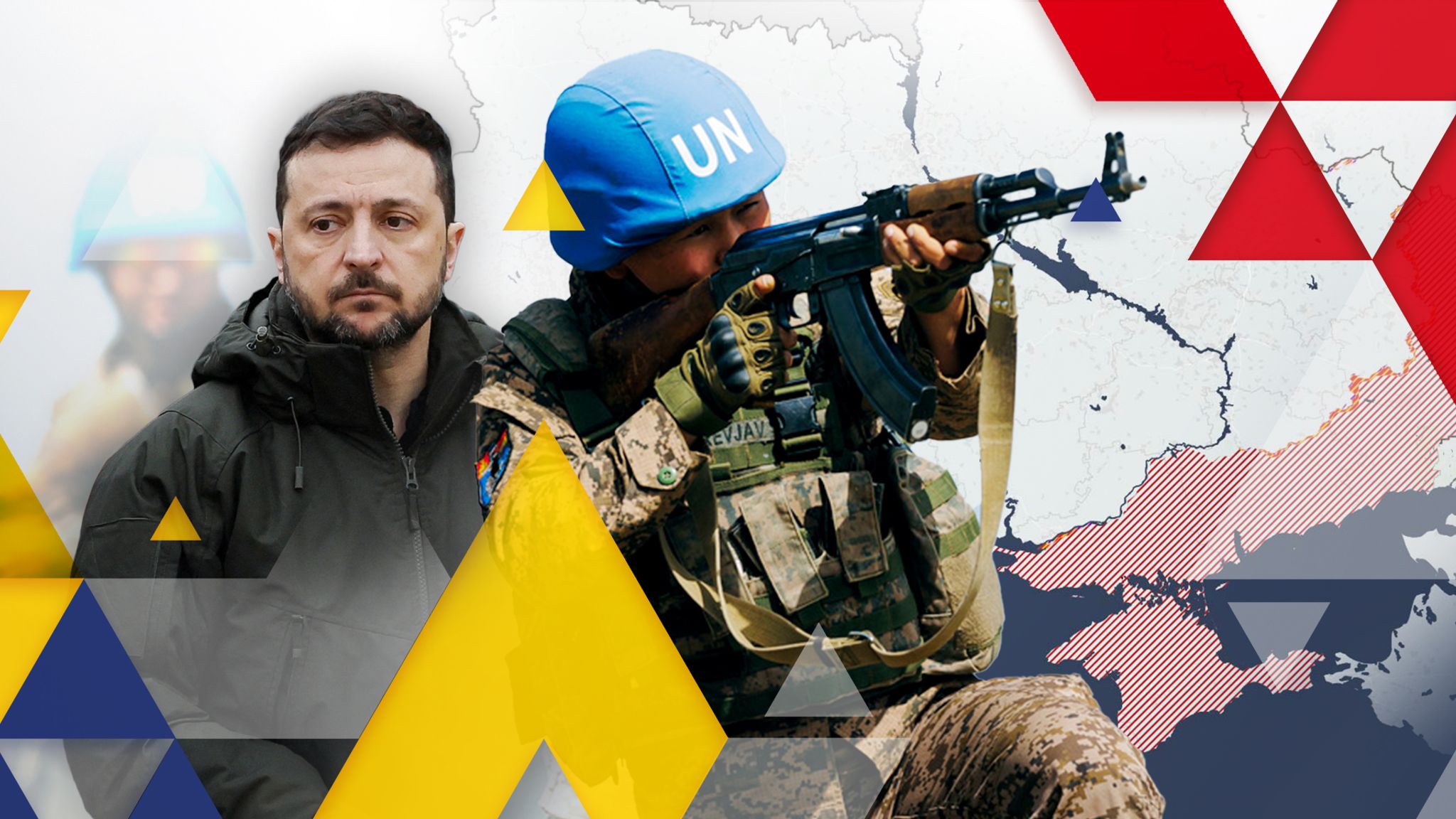
A neutral peacekeeping force, potentially led by the United Nations, could be another option. This force could recruit personnel from neutral countries, such as Turkey or India, which may be more acceptable to both Russia and the West. However, the effectiveness of such missions has been questioned, as seen in previous UN operations in conflict zones.
The path to peace in Ukraine is fraught with challenges, and any resolution will require careful negotiation and compromise from both sides. While options such as ongoing ceasefires, territorial concessions, and the establishment of peacekeeping forces are on the table, the complexities of the conflict necessitate a multifaceted approach. Ultimately, achieving a lasting peace will depend on the willingness of both Ukraine and Russia to engage in meaningful dialogue and find common ground amidst their differences.