Ivorian Literary Activist, Translator Lends her Skills to Beloved Graphic Novel, ‘Aya de Yopougon’
-
 Loading...
 - Sandra Afful
- 19 Sep 2024
- 40 Views
- 0 Like
- 0 Comment
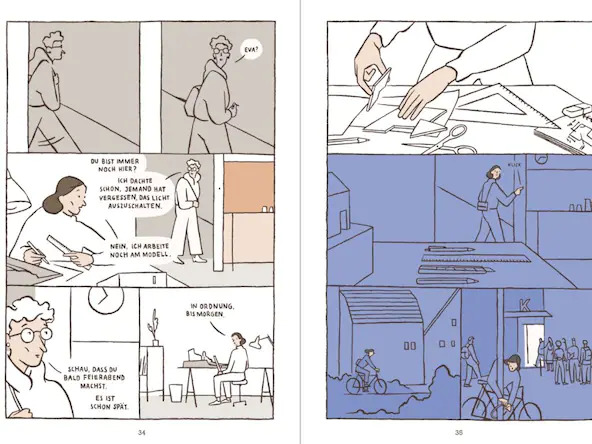
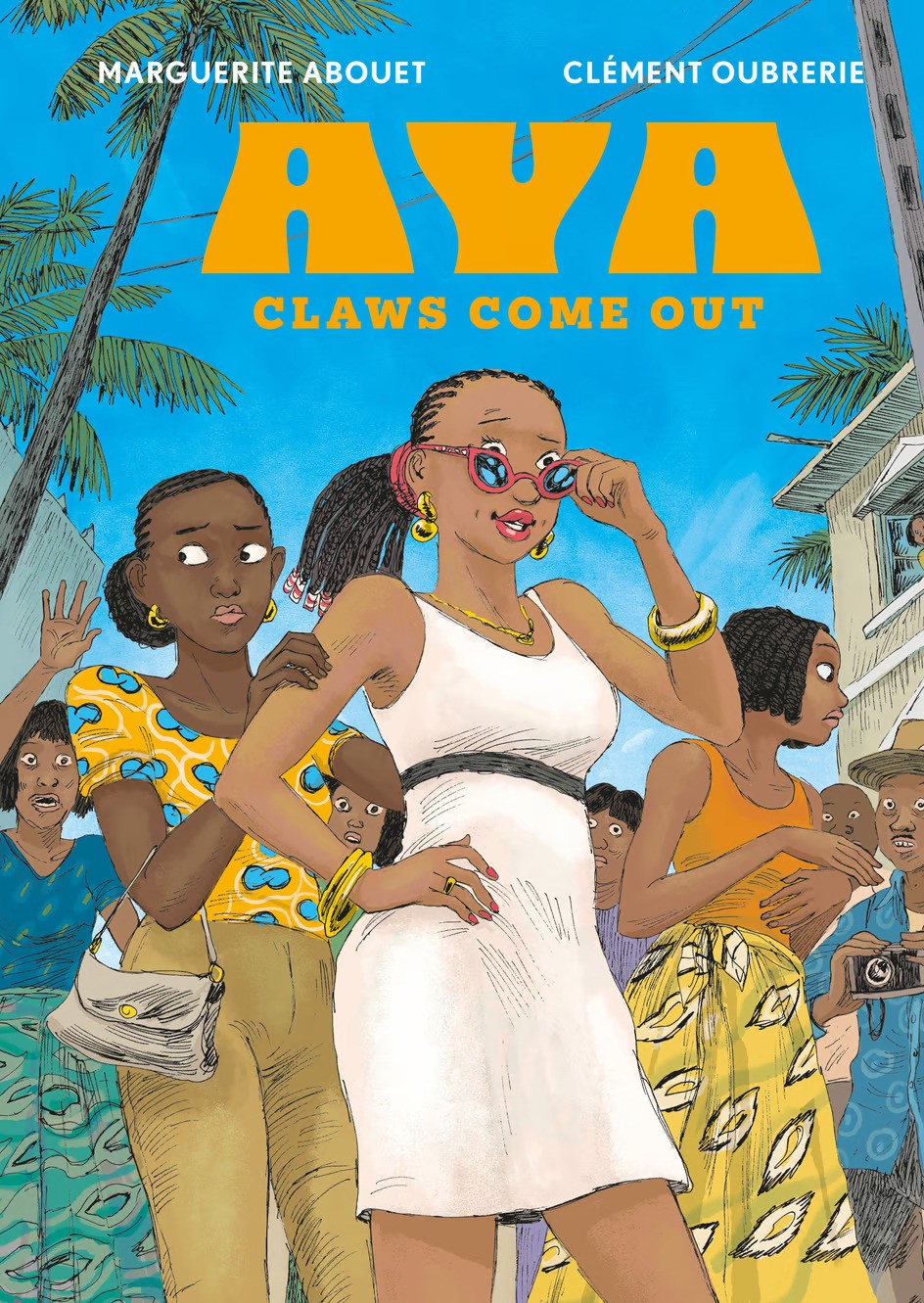
Edwige-Renée Dro, an Ivorian literary activist and translator, has made it her mission to spread the feminist message of the popular graphic novel series "Aya of Yopougon" by translating the penultimate volume, "Aya, Claws come out", into English. This series, created by Marguerite Abouet and illustrated by Clément Oubrerie, has gained a global following since its first publication in French in 2005.

Dro's connection to the series is personal, as she grew up in Yopougon, the same neighborhood where the story is set. She appreciates how Abouet addresses issues such as forced marriage, lack of family planning, and patriarchy, while also showcasing the diversity of women's experiences. Dro's favorite character, Bintou, is a self-centered film star who embodies the kind of irreverent womanhood that Dro believes is essential for women's empowerment.
Dro's translation of "Aya, Claws come out" is not just a linguistic exercise but also a cultural one. She aimed to preserve the West African feel of the original text while avoiding the dominance of Nigerian pidgin. By doing so, she hopes to showcase the diversity of English spoken in different African countries. This is particularly important, as Dro notes, because "women are not a homogenous group." She wants to highlight the unique experiences and perspectives of women from different cultural backgrounds.

Dro's work goes beyond translation. She founded a library in Yopougon dedicated to women writers, which celebrates its fourth anniversary. The library, called 1949, honors the Ivorian women who marched against the colonial government in 1949. Dro's mission is to expose African and Black women's literature to a wider audience, encouraging reading and reflection. She believes that literature has the power to inspire and empower women, and her library is a testament to this vision.
Dro has also established a writing residency for women at her library, where they can work on short stories, essays, and novels. She believes that storytelling can bring about reflection and change. Despite the economic challenges in Côte d'Ivoire, Dro remains committed to her mission, using literature to inspire present and future generations of women.
Dro's philosophy is centered around the idea that women need to rid themselves of inherent sexism by educating themselves and passing down their history. She believes that literature can play a crucial role in this process, by providing a platform for women to share their stories and experiences. Through her library and writing residency, Dro is creating a space for women to express themselves and challenge the patriarchal norms that have held them back for so long.