Japanese Artist Takashi Murakami Uses AI and Anime to Reimagine 16th Century Art
-
 Loading...
 - bakti Yanti
- 03 Jan 2025
- 48 Views
- 0 Like
- 0 Comment
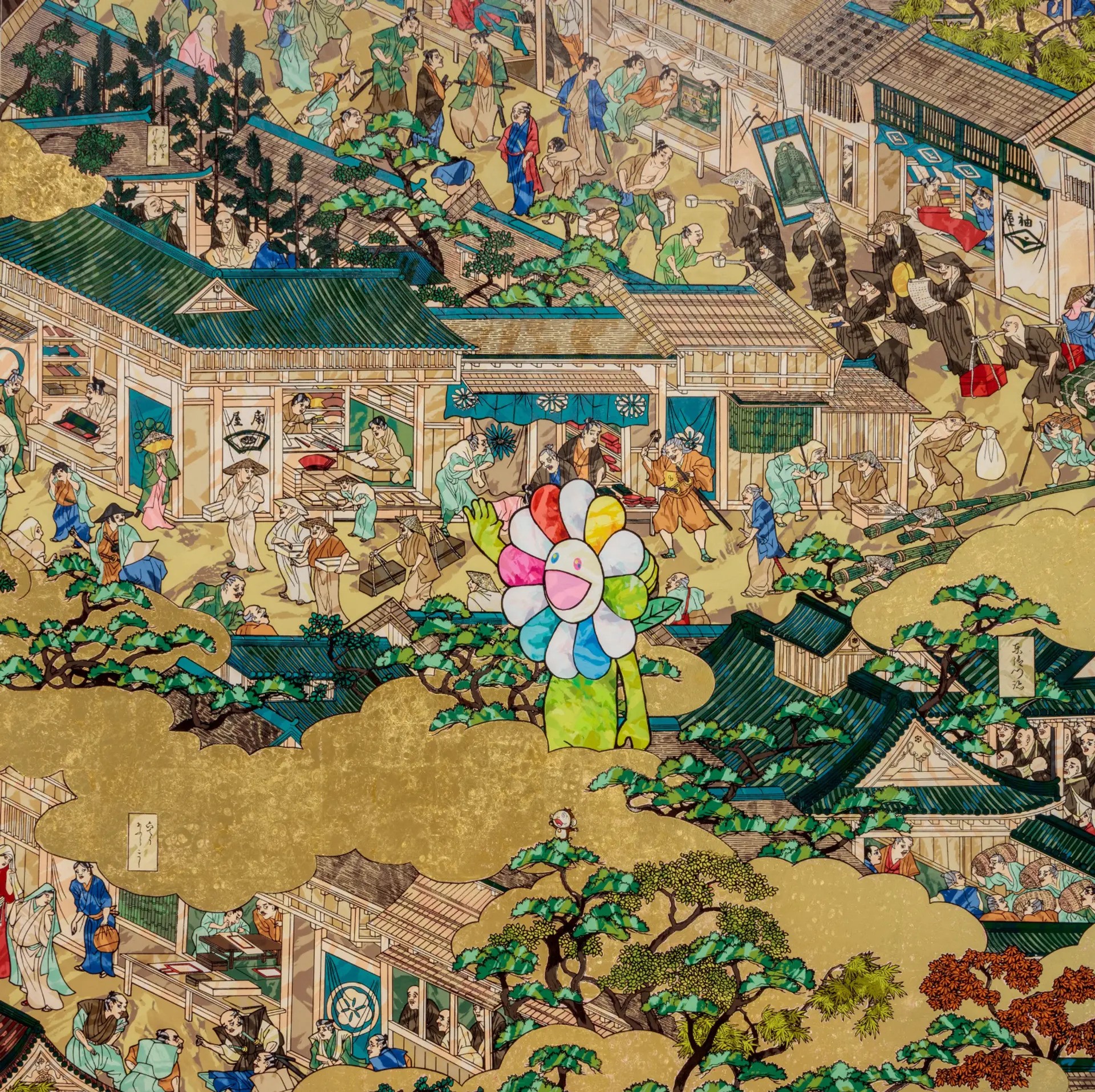
Renowned Japanese artist Takashi Murakami is pushing the boundaries of traditional art by incorporating artificial intelligence and anime aesthetics into his latest exhibition in London. This innovative showcase reinterprets the works of 16th-century Japanese painter Iwasa Matabei, blending historical artistry with contemporary imagery and vibrant neon colors.
Murakami's approach reflects a harmonious fusion of "tradition and innovation," as noted by Artnet. By overlaying modern elements onto Matabei's classic works, he creates a dialogue between the past and the present. In his creative process, Murakami utilized AI to enhance his sketches, particularly for animals he had not previously drawn. By adjusting the inputs and refining the outputs, he was able to achieve designs that met his artistic vision.
In addition to AI, Murakami drew inspiration from anime, a style characterized by its bright colors, exaggerated characters, and surreal environments. He explained to Artnet that while anime may appear playful at first glance, it often carries deeper themes of sadness and existential anxiety. This duality is a hallmark of Murakami's work, as he seeks to explore complex emotions through visually striking art.
The exhibition not only showcases Murakami's unique artistic style but also invites viewers to reflect on the interplay between historical and contemporary influences in Japanese culture. By reimagining traditional art forms through the lens of modern technology and aesthetics, Murakami continues to challenge and expand the boundaries of artistic expression.