Hilma af Klint's Family Opposes Potential Deal with Gallerist David Zwirner
-
 Loading...
 - Colin Drakos
- 02 Jan 2025
- 47 Views
- 0 Like
- 0 Comment
The family of Swedish artist Hilma af Klint is embroiled in a contentious dispute over a proposed agreement between the foundation responsible for preserving her work and prominent gallerist David Zwirner. They argue that this deal could lead to the "plundering" of af Klint's renowned abstract art and the commercialization of her legacy, which they believe contradicts her wishes and the foundation's statutes.
Erik af Klint, the artist's great-grandnephew and chair of the foundation's board, has labeled the situation a "hostile takeover." He asserts that the foundation's primary responsibility is to care for af Klint's work, not to sell it off. This internal conflict has escalated over the past few years, with legal battles in Sweden and accusations of attempts to capitalize on af Klint's recent resurgence in popularity, which began in the 1980s.
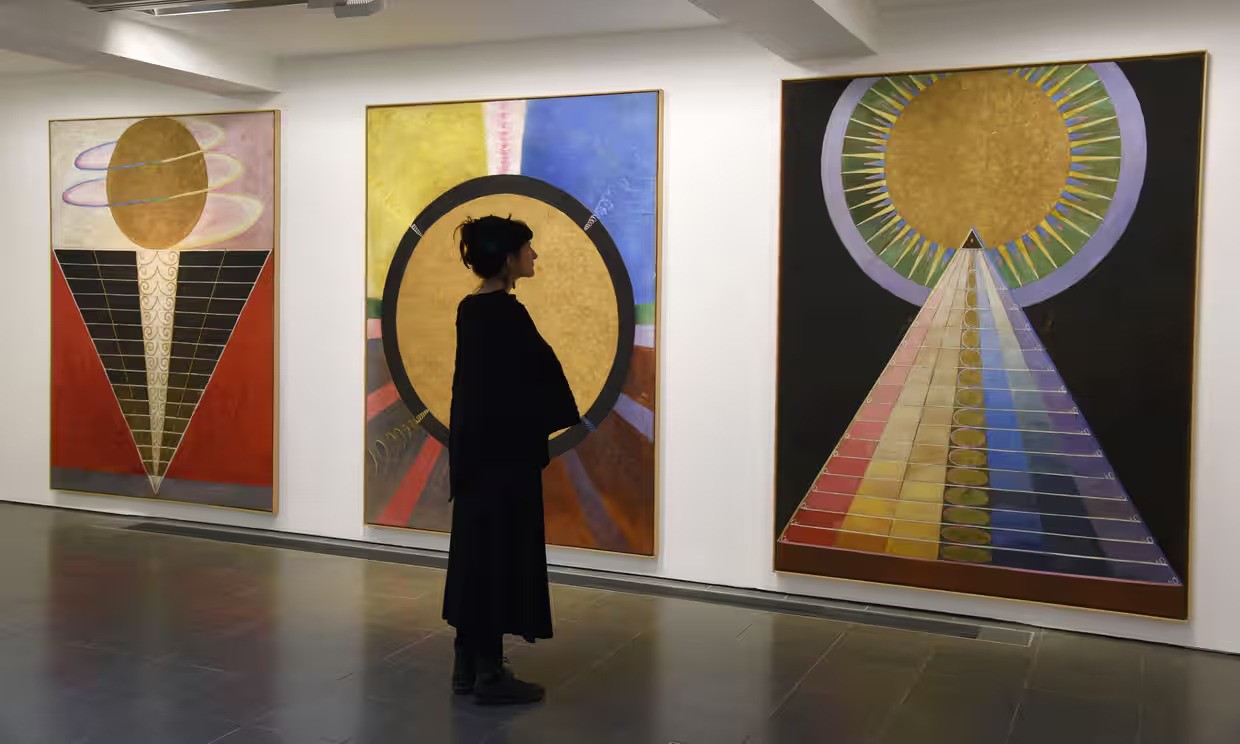
Born in 1862, af Klint was a pioneer of abstract art, creating groundbreaking works long before her male contemporaries like Kandinsky and Mondrian. Despite her significant contributions to the art world, she was often dismissed during her lifetime, partly due to her association with mysticism and theosophy. Her work, which was rarely exhibited while she was alive, is now held primarily by the foundation, making the current dispute particularly sensitive.
The proposed agreement with Zwirner, who has previously sold af Klint's work, aims to enhance the foundation's global presence and facilitate exhibitions at prestigious institutions. Zwirner contends that the family is "sabotaging" efforts to promote af Klint as an international artist, claiming that the board seeks to continue showcasing her work worldwide. He argues that proceeds from any sales would be reinvested into preserving the foundation's collection of 1,300 pieces.
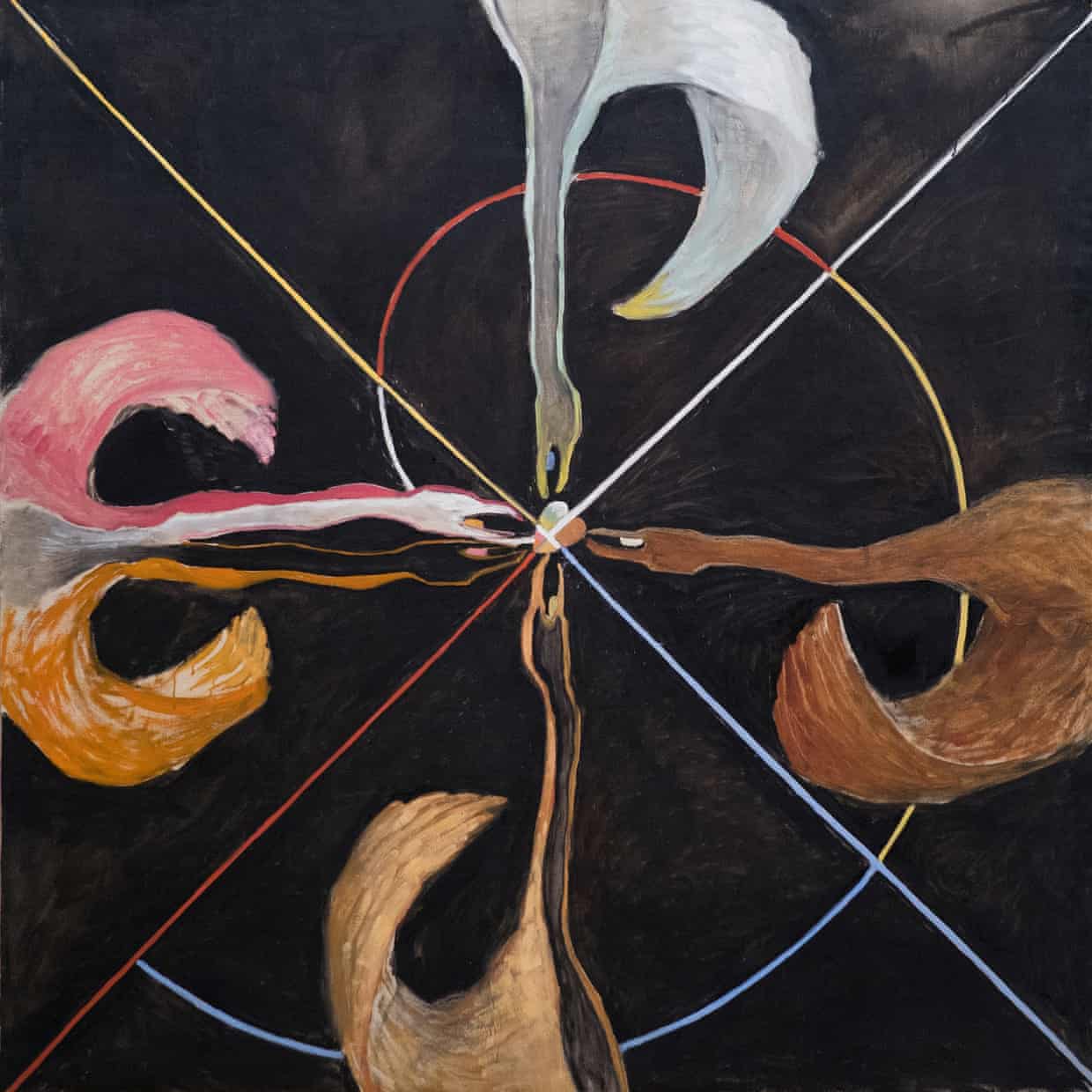
However, Erik and Johan af Klint, another family member and former chair of the foundation, maintain that af Klint's art possesses a spiritual dimension that necessitates its preservation as a cohesive body. They argue that selling individual pieces would disrupt the integrity of her series, which were created with a specific vision in mind.
The foundation's statutes explicitly state that certain works, including the "Paintings for the Temple," cannot be sold, but they also allow for the sale of other pieces if it serves to preserve the collection. A spokesperson for the foundation has refrained from commenting on the ongoing negotiations, citing confidentiality and expressing regret over leaked information that could harm the foundation's reputation.
As the power struggle continues, the future of Hilma af Klint's legacy hangs in the balance. Her work has gained significant recognition in recent years, culminating in record-breaking exhibitions at institutions like the Guggenheim in New York. The outcome of this dispute will likely shape how her art is presented and preserved for generations to come.