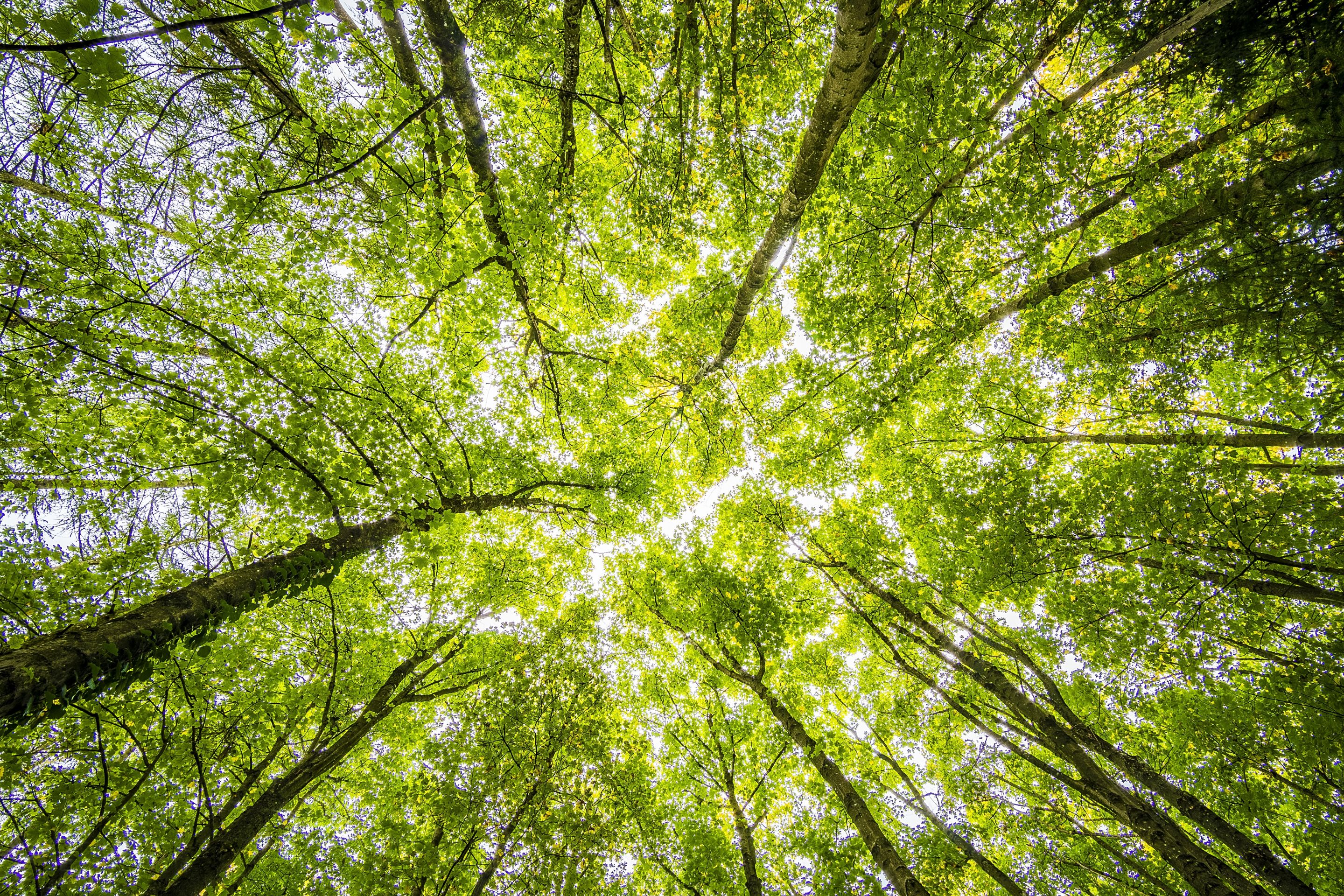
Kenya’s forest cover needs urgent restoration
-
 Loading...
 - Eucabeth Farah
- 23 Mar 2023
- 61 Views
- 0 Like
- 0 Comment
At a time when the world is becoming increasingly hotter, the importance of adequate forest cover in maintaining life on earth cannot be gainsaid.
However, it is just recently that people have realised that climate change is real, as heat from the sun’s rays gets a notch hotter. In Kenya, we seem just one step short of the fatal heat waves experienced in other parts of the world, particularly in the Indian sub-continent.
The heat in Nairobi and other cooler upcountry towns so far this year feels way above what people are used to in our scorching coastal towns. The answer to our predicament is obvious. In our quest for ‘development’, we have run roughshod over nature, particularly the land.
We have cut down vast swathes of trees in order to make way for new real estate fads that we can ill sustain. Unbeknown to many Kenyans, forest cover has been dwindling at an alarming rate. Kenya’s forest cover today is estimated at less than seven per cent, quite lower than the 10 per cent recommended by the United Nations. That is why the rains keep delaying, and dry spells taking longer than anticipated. Worse, the massive and unplanned change of land use from agricultural to construction poses a grave threat to the country’s food security.
March 21 marked the International Day of Forests. The theme for 2023 is “Forests and health.” The UN General Assembly proclaimed 21 March the International Day of Forests (IDF) in 2012. The Day celebrates and raises awareness of the importance of all types of forests.
According to the Food and Agricultural Organisation (FAO), forests are a vital source of food and nutrition. Nearly one billion people globally depend on harvesting wild food such as herbs, fruits, nuts, meat and insects for nutritious diets.
Forests are natural pharmacies. Around 50 000 plant species – many of which grow in forests – have medicinal value. Forests have traditionally served as a natural barrier to disease transmission between animals and humans, but as deforestation continues, the risk of diseases spilling over from animals to people is rising. Read More…