Pakistan's Swat Valley losing forest cover due to intentional fires
-
 Loading...
 - Sanjana Sutone
- 27 Jun 2022
- 137 Views
- 0 Like
- 0 Comment
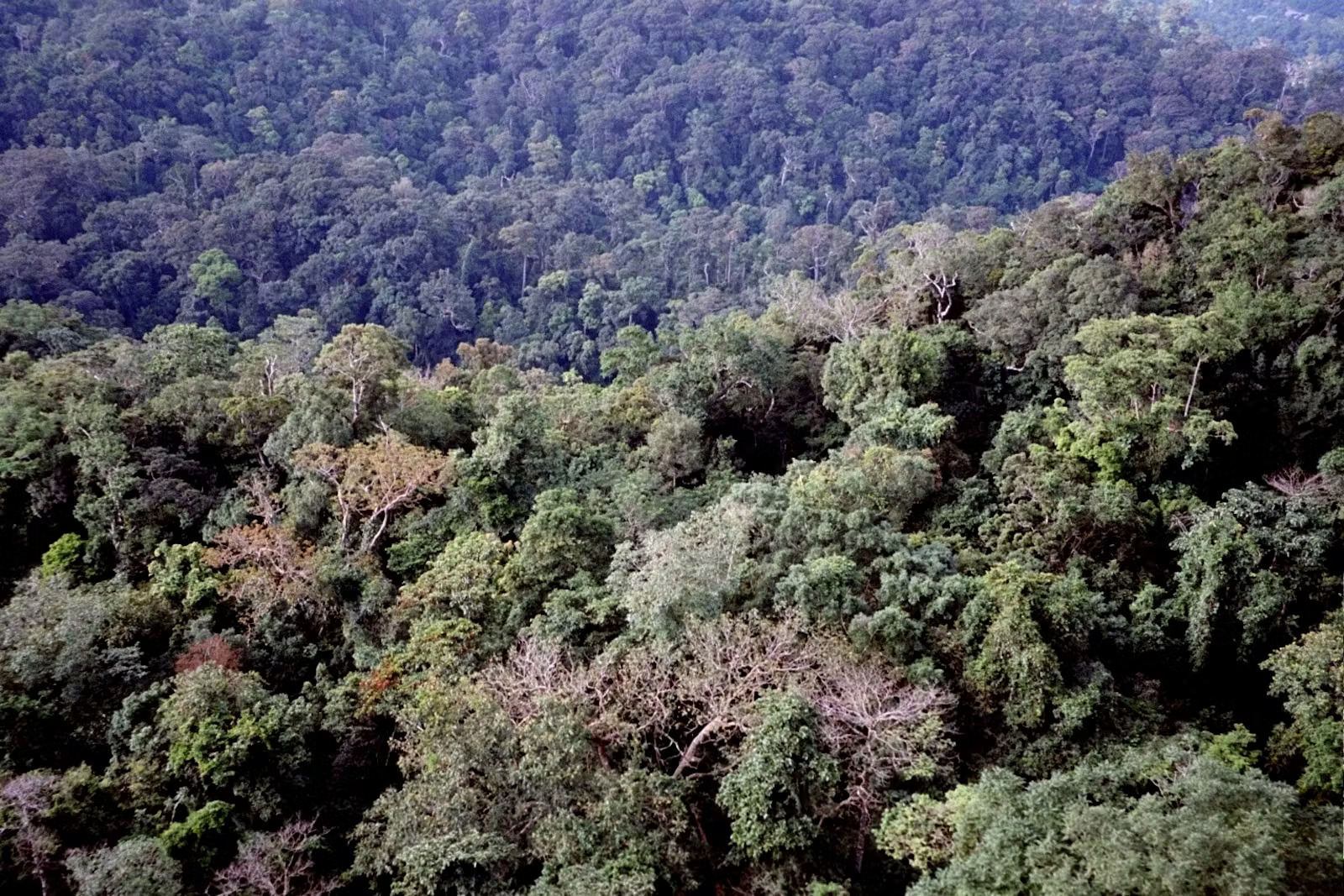
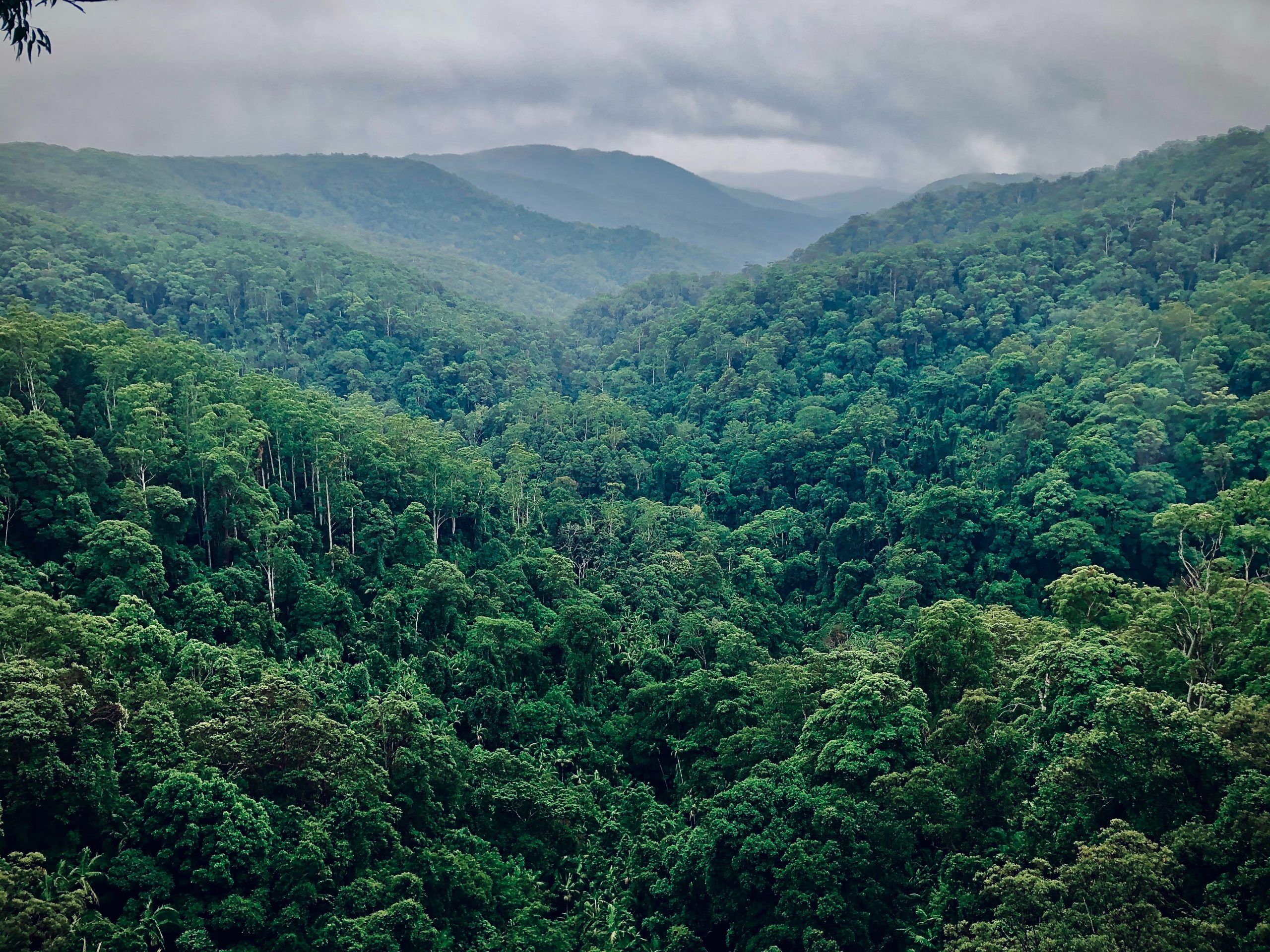
Pakistan's northwestern Swat Valley attracts millions of tourists every year because of its snow-capped peaks, glistening blue lakes, lush green plateaus and thick forests.
Known as the "Switzerland of Pakistan" for its matching breathtaking scenery, the valley remained the favorite site visited by nearly 2 million people last year.
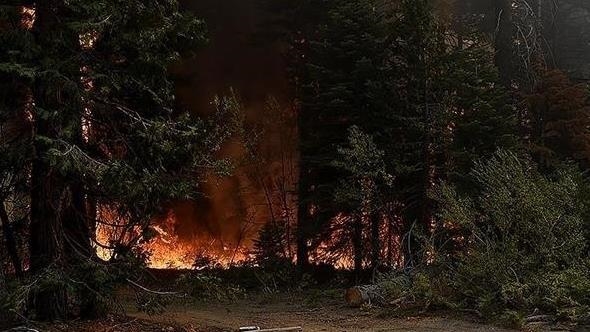
Nevertheless, it has lately been in the headlines for massive wildfires that have burned down over 14,000 acres of forest cover during the last three weeks.
Aside from dry weather conditions, many of the fires were set intentionally by the locals in order to benefit from a centuries-old law that permits them to share the ownership of forests with the government.
"Shamilat" or the law of joint property, which was introduced by the powerful Yusufzai tribe when they captured the Swat Valley in the 16th century, allows the local communities to share the ownership of forests with the government.
In line with the law, they can harvest the empty swaths of forests and use pastures for grazing their livestock in their respective areas.
However, they cannot chop down the trees except for the branches or decayed ones for firewood.
The law, which remained unchanged even during British colonial rule, had also been adopted by Pakistan with some amendments following the incorporation of the former princely state in 1969.
"We have seen an increasing trend of intentional wildfires in recent years in Swat. And the main purpose behind this phenomenon is to get more lands for agriculture," said Latif-ur-Rahman, a spokesman for the Forest Department of northwestern Khyber Pakhtunkhwa province, in which Swat is located.
Speaking to Anadolu Agency, Rahman said the local people want to increase their agricultural lands due to the increasing population and food requirements.
“For that, fire is the best way to clear the forest lands of trees.
“In their false opinion, trees are less important than agriculture. This is ruining the entire environmental cycle, raising the risks for landslides and flashfloods,” he maintained.
Tradition turned law
Mohammad Nafees, who heads the Department of Environmental Sciences at the University of Peshawar, said Shamilat is actually as centuries-old tribal tradition which had later been given a law status by the British colonial regime and the Pakistani government.
According to the original Shamilat tradition, said Nafees, rivers, mountains, streams and forests were the joint properties of a tribe.
But after the 1969 incorporation, the Pakistani government made some changes, declaring the forest trees state property, while the locals were given the right to harvest forest lands and get tree branches for domestic use.
Another unwritten law, he went on to say, allows a farmer whose land touches a mountainous forest to clear the adjoining forest swath and incorporate that into his piece of land.
Nafees, who authored a thesis titled “Wildfires in Swat Valley,” told Anadolu Agency that intentional fires and negligence have been the two key factors behind the increasing deforestation in the scenic valley.
Swat boasted a robust 30% forest cover at the time of independence in 1947 which has gradually been reduced to less than 15%, he said.
“Currently, only far-flung and tall mountains are left with thick forest cover. Otherwise, the forests on low-altitude mountains have been converted into agricultural lands,” he added.
Ruining ecology
Currently, 70% of the forests in Swat fall under the Shamilat law, whereas the remaining 30% are either in the state’s control or privately owned.
Firefighters backed by army helicopters are still struggling to douse the raging fires in the chir pine-laden forests in Swat and adjoining districts of Shangla and Buner.
The wind-whipped blazes, according to the Forest Department, have burned down thousands of trees and killed several rare species of birds and animals. Read More…