Kenyan Scientist's Groundbreaking Research on the Health Benefits of Snails
-
 Loading...
 - Karimi Kuria
- 01 Jun 2023
- 62 Views
- 0 Like
- 0 Comment
When most people see snails and their slimy trails, they typically react with disgust or even screams. However, for Dr. Paul Kinoti, these slimy creatures hold the potential for international recognition. His research on snails has earned his institution, Jomo Kenyatta University of Agriculture and Technology (JKUAT), a substantial grant of Ksh. 127 million (USD 1 million) from the Cherasco Institute of Snail Breeding in Italy.
The grant will fund a two-phase research project aimed at developing cough syrup specifically for children under the age of five. As a lecturer in JKUAT's Horticulture and Food Security department, Dr. Kinoti has been specializing in non-conventional farming systems for over a decade. Non-conventional farming involves unique and modified methods of crop and animal production. Dr. Kinoti's research has focused on insects and worms, particularly their value in enhancing crop and livestock production through vermiculture.
Dr. Kinoti explains that snails are already associated with a wide range of products, including animal feeds, skincare products, pharmaceuticals, and fertilizer. He emphasizes his research's focus on introducing unfamiliar farming methods to farmers, such as rearing insects and worms as sources of livestock feed and plant fertilizer. Black soldier flies and worms, in particular, are significant protein sources for livestock, especially poultry and fish.
In addition to his expertise in food security, Dr. Kinoti aims to promote snails as a dietary source due to their protein and iron content. However, he acknowledges the lack of awareness as the primary reason why Kenyans do not consider snails as a food source. To overcome this, Dr. Kinoti and his team are taking a simpler approach by encouraging farmers to engage in snail farming, gradually familiarizing them with the idea of incorporating snails into their surroundings.
Snails are already recognized as a delicacy in various parts of the world, especially in Asia, Europe, and West Africa. At JKUAT, snail products are currently being manufactured, and local farmers have been engaged through training to supply the institution with snail slime (mucin). The institution offers three-day courses to these farmers, teaching them how to rear snails and extract their slime, which they subsequently sell for profit.
The first phase of the research project, which is expected to span two years, will involve identifying the most suitable snail species for production and conducting research on snail slime. Simultaneously, farmers will be encouraged to breed snails. The second phase will focus on manufacturing and producing the cough syrup, subject to approval by the Kenya Food and Drug Authority (KFDA).
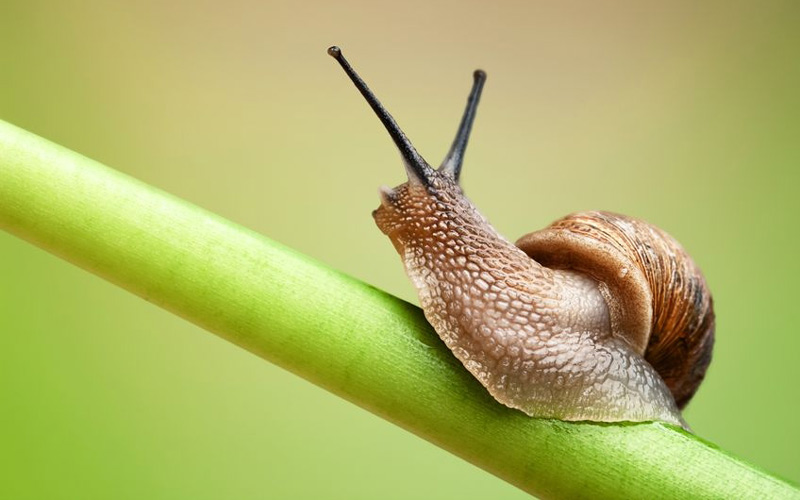
The African giant land snail (Achatina fulica) is the commonly used snail species for slime production. Each snail can produce up to 4 milliliters of slime, and it takes approximately 250 of these giant snails to obtain a liter of slime, which is extracted once a week.
The Achatina fulica is native to East Africa, with its origins traced back to Kenya and Tanzania. It is considered an invasive species worldwide due to its ability to establish colonies from a single female. This snail consumes large quantities of vegetation and acts as a carrier for plant pathogens, posing a threat to farmers when it invades their fields. The snail has spread globally through exportation to Europe and Asia, primarily as a delicacy or through accidental transportation.
The project involves a team of experts, mainly from different departments within the university, to ensure its success. Animal scientists, food scientists, health scientists, and other technical staff contribute their expertise to the snail farm's operation. Collaboration with institutions like the Kenya National Museum is crucial in identifying the most suitable snail types for slime production. The Kenya Wildlife Service (KWS) plays a vital role as the main stakeholder and licensing authority for snail farming in Kenya.
To ensure conservation, the snails are handled delicately during the slime extraction process, which occurs only once a week. Citric acid is used, and strict measures are taken to avoid harming the snails.
The successful development of the cough syrup is expected to reduce the reliance on costly imports, benefiting the local economy. Farmers are also enthusiastic about the prospect of no longer depending on expensive government-provided fertilizers and animal feeds, which have yielded limited returns in the past.