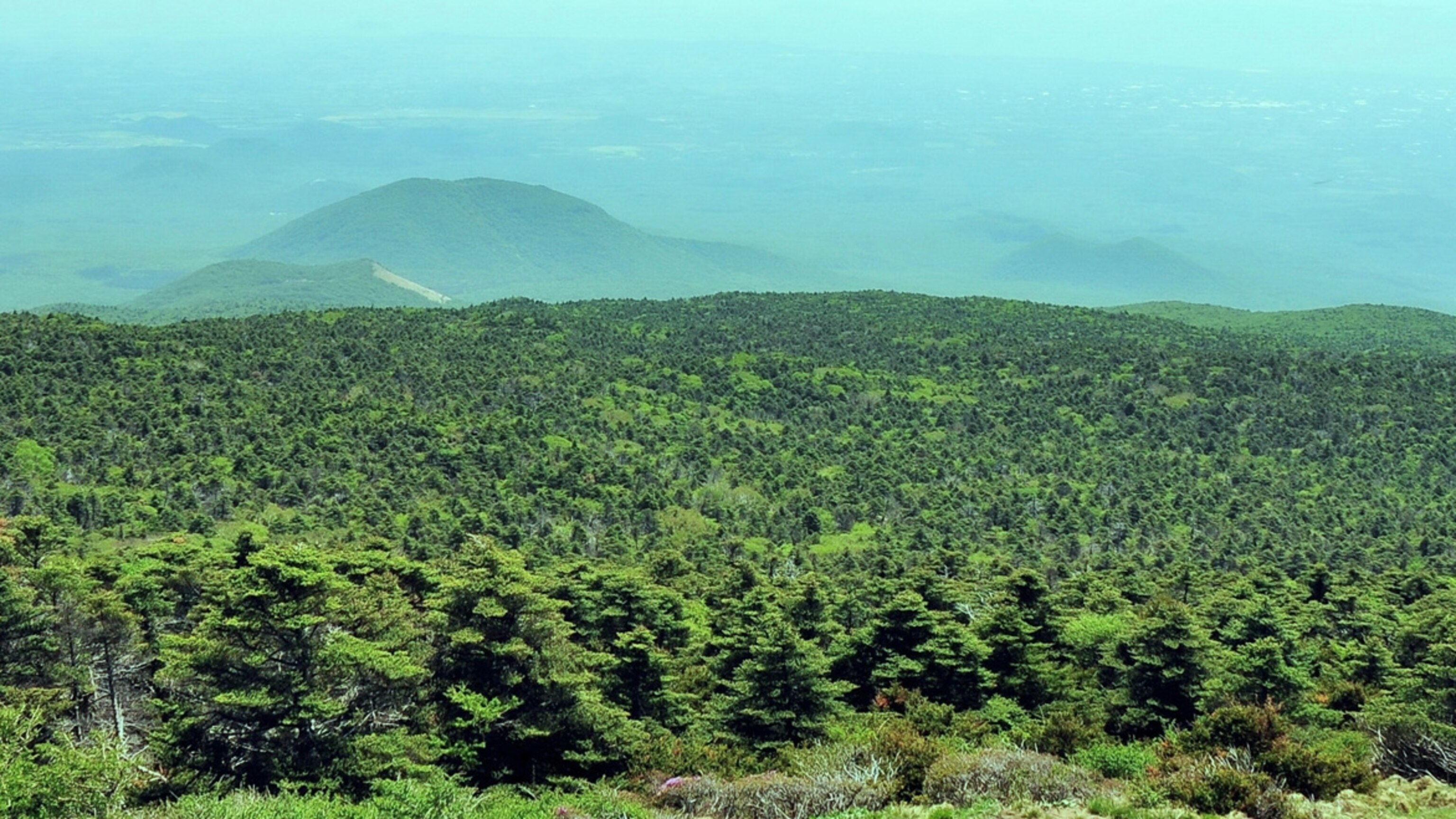
Korea's Efforts in Restoring Forests
-
 Loading...
 - Gamon Makok
- 15 Jun 2023
- 60 Views
- 0 Like
- 0 Comment
On June 17, the world observes the United Nations' World Day to Combat Desertification and Drought. This day commemorates the adoption of the United Nations Convention to Combat Desertification in 1994. The spread of desertification in Northeast Asia not only contributes significantly to the fine dust pollution experienced in Korea but also poses a transborder issue that affects neighboring countries. In recent years, the frequency and scale of fine dust storms have increased due to climate change, desertification, and drought. Addressing these challenges requires international cooperation to prevent desertification.
The Korea Forest Service (KFS) has taken proactive measures to combat the spread of desertification. As a first step, the KFS proposed the Northeast Asia Desertification, Land Degradation, and Drought Network, which includes Korea, China, and Mongolia. This network was established in 2011, with the KFS serving as its secretariat. The KFS has implemented programs for desertification and dust storm prevention, fostering partnerships to develop national action plans and resolve land degradation issues in the Northeast Asian region.
In a collaborative effort to fight desertification, the governments of Korea and Mongolia initiated the Korea-Mongolia Green Belt Initiative in 2007. This initiative is part of a comprehensive intergovernmental plan to mitigate the damages caused by desertification. Over the course of a decade-long campaign, approximately 3,000 hectares of forests have been restored, instilling hope among the Mongolian government and its citizens. This initiative has also influenced legislative and societal shifts, resulting in the enactment of laws and regulations to commemorate Arbor Day and prevent land degradation and desertification.
Given the recent increase in climate change-induced natural disasters and the escalating desertification crisis, the international community recognizes the importance of Nature-based Solutions. Forests serve not only as carbon sinks to combat climate change but also make comprehensive contributions to various social and environmental issues, such as biodiversity conservation.
During the 26th Conference of the Parties to the United Nations Framework Convention on Climate Change held in 2021, major advanced countries announced the Global Forest Finance Pledge. This pledge aims to prevent deforestation, land degradation, and facilitate restoration. Korea, having received developmental aid from advanced nations to restore degraded lands, actively participated in this pledge. It fulfills its role as a bridge between developed and developing countries in the field of forestry.
Through the Changwon Initiative launched during the 2011 UN Convention to Combat Desertification conference, the Korea Forest Service has achieved remarkable success in policy formulation regarding desertification and land degradation. It has supported afforestation projects and scientific capacity building in developing countries.