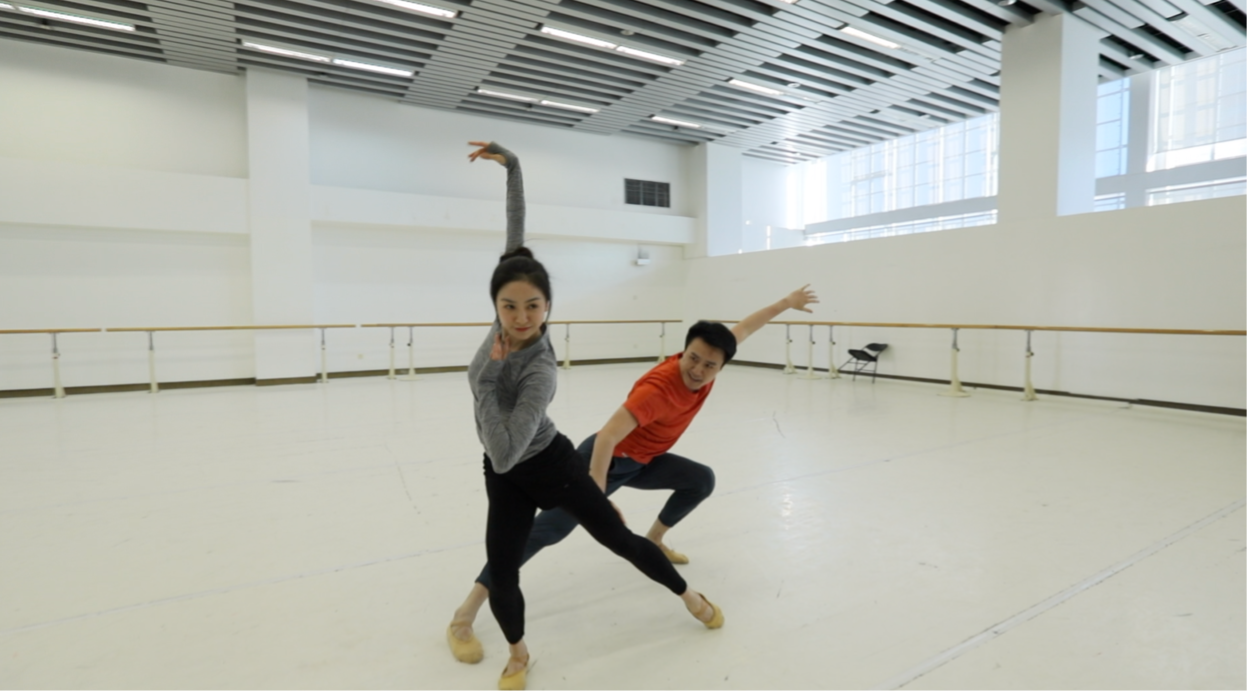
Lead dancer Tang Shiyi innovates choreography in traditional dance dramas

Tang Shiyi, the lead dancer from the China National Opera and Dance Drama Theater, has won over audiences with her power and flexibility on stage. Dance for her, as she says, is a constant evolution of one's self.
"No matter what you do, the moment you become enlightened you probably understand everything. But I think before that, you need to go through a process of changing from quantity to quality."
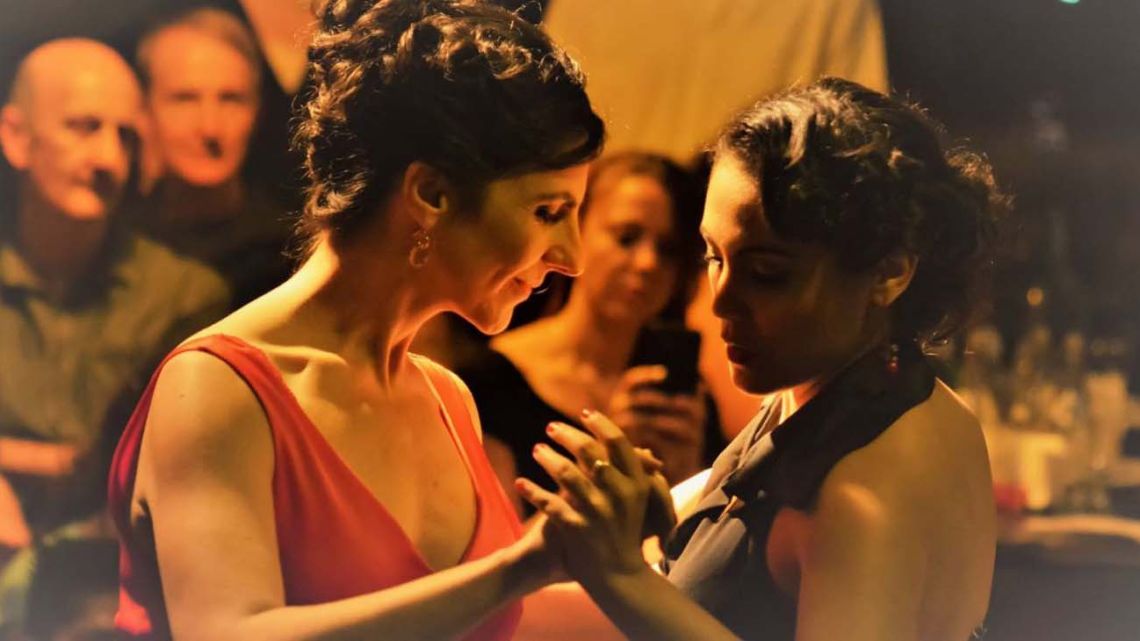
That transformation from quantity to quality takes years of practice. Her dance partner Zhu Yin says it’s always pleasant cooperating with Tang. "Her body is very flexible, but also very powerful. It's rare to find a dancer who can combine both characteristics. She knows exactly how to cooperate with her partner. For example, how to control her body's presentation when she is lifted, and do her movements well at the same time."
As the theater's lead dancer, Tang Shiyi has portrayed a number of characters from ancient Chinese history, like Wang Zhaojun, a princess living over 2,000 years ago.
"Eastern art is reserved. It's probably different from a lot of other dance genres, like ballet, which features openness and straightness. Traditional Chinese dance demonstrates a moderate state which might develop into another kind of temperament. I think control is a very important word, the control of power, or the control of emotion. Sometimes I need to be enchanting, and sometimes powerful. Dancers need to be quite perceptive."
Like many girls in China, Tang Shiyi learned to dance at an early age. Her talent made her stand out from her peers. She got into the Beijing Dance Academy with the highest dancing scores in the entrance exam.
"I think I probably have experienced the same process with many other traditional dancers. We went through systematic training and developed a unique body with the characteristics of traditional dance. When such temperament [becomes] part of us, then we use different skills to create different roles."
After starring in one dance drama after another, she wanted to do more than just act.
"After playing a dozen characters, I started to think, how do I see these characters? What is my own personal expression? This was a question I'd been thinking about for a while. Just then, one of my teachers offered to help me to do my first solo dance drama, 'The Flowing Dance From Tang Poetry.'" Read More...