Lithuanian Art of the 14th – 19th Century
-
 Loading...
 - Amara Zara
- 25 Mar 2025
- 31 Views
- 0 Like
- 0 Comment
The evolution of Lithuanian art from the 14th to the 19th century reveals a fascinating interplay of cultural influences, aesthetics, and societal values. This period showcases a variety of visual and decorative arts, including medieval treasures, ecclesiastical art, and the opulence of the nobility. Despite the fragmentary nature of historical records, the surviving artifacts allow for a reconstruction of this vibrant era.
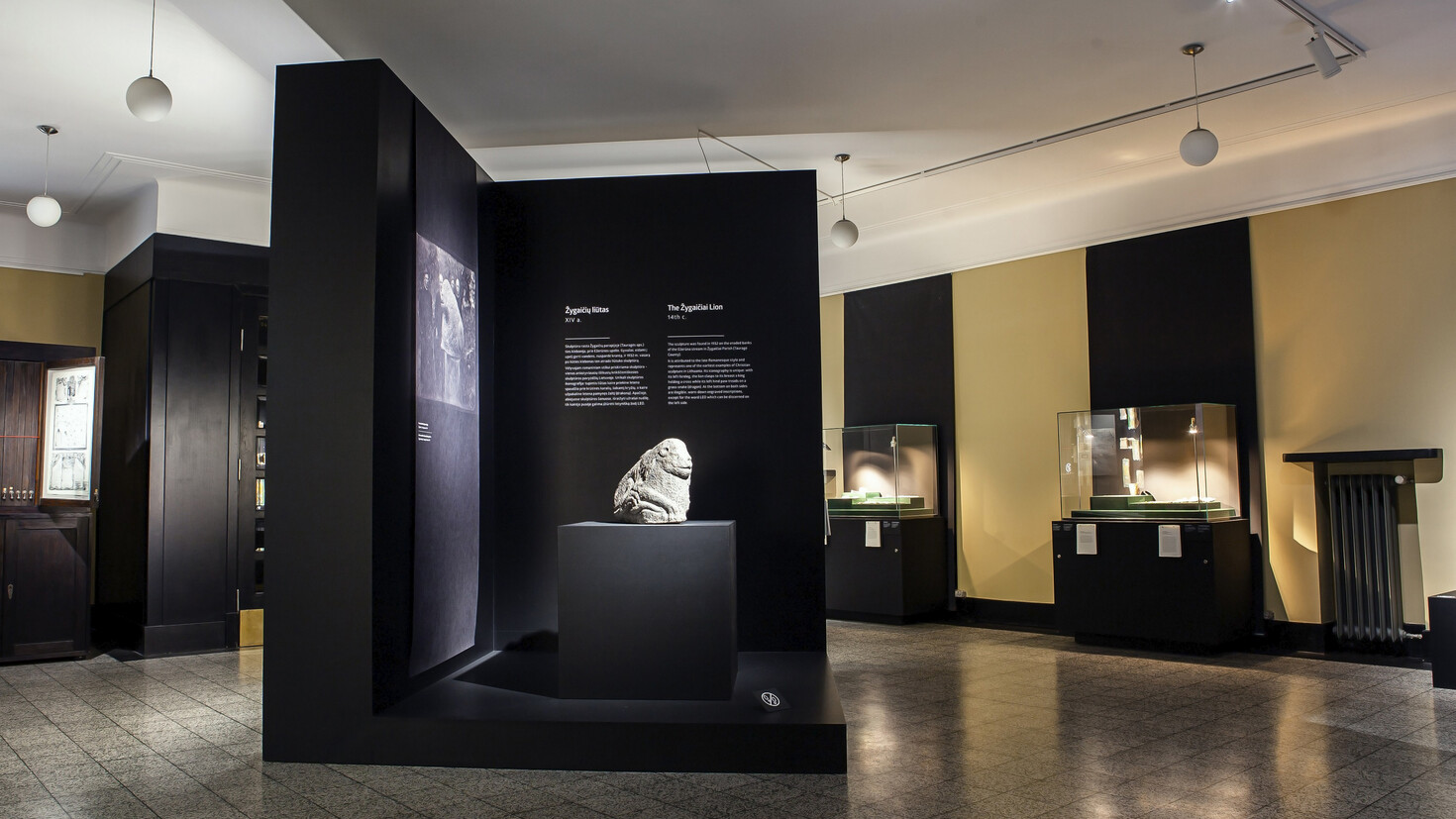
The journey begins with a display of primeval objects that highlight early artistic endeavors in Lithuania. Among the treasures are coins, jewelry, tiles, and plates excavated from the old part of Kaunas. Notable pieces include the earliest known sculpture in Lithuania, the Žygaičiai Lion, and rare books such as the privilege granted by Vytautas the Great, which bestowed lands and populations to the Bishop of Samogitia. The room also features the Memento Mori, an impressive painting that serves as a reminder of life’s transience, alongside the Allegory of Time, a sculpture popular in monasteries that reflects on the passage of time.
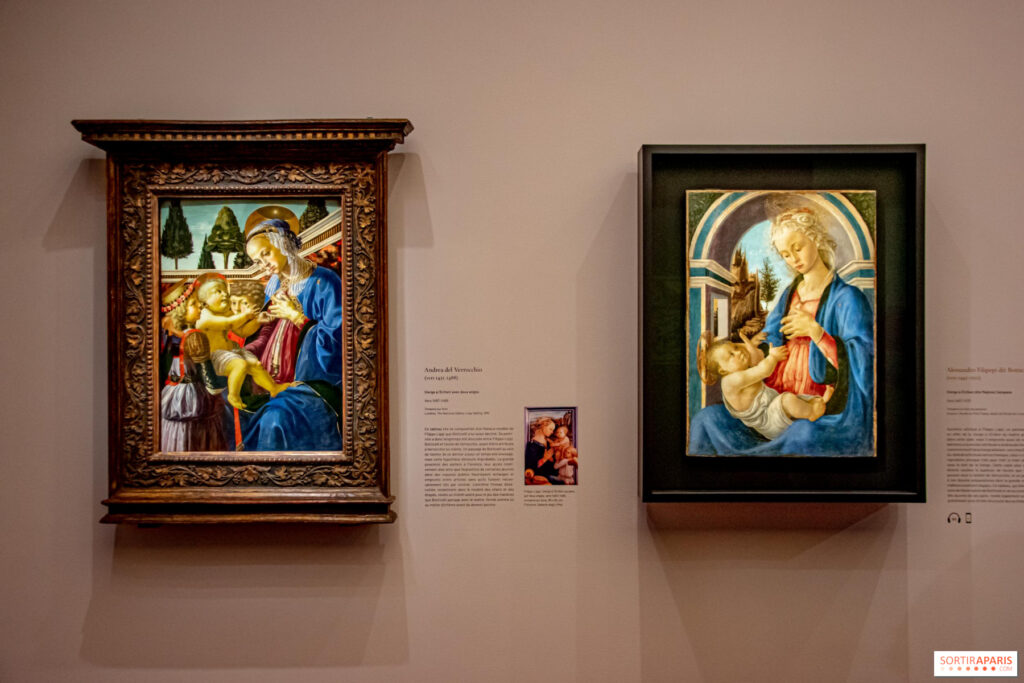
The second room transports visitors to the realm of ecclesiastical art, showcasing the earliest and exceptional images of the Gothic Madonna. Gothic sculpture made its entrance into Lithuania post-1387, following the official Christianization of the state. Initially crafted by sculptors from the Czech Republic, Poland, Livonia, Prussia, and Germany, these works inspired local artisans to create their own interpretations. The room highlights the intricate details and spiritual significance of these early religious artworks, illustrating the profound impact of foreign influences on Lithuanian art.
In the third room, the focus shifts to the lives of the Lithuanian nobility, featuring details of interiors, apparel, and a splendid gallery of portraits. This collection provides insights into the origins and peculiarities of the nobility's acquisitions. Representative portraits gained popularity in the Polish-Lithuanian Commonwealth during the 16th century, often exchanged as diplomatic gifts. The room showcases portraits of notable figures, including Kristupas Žygimantas Pacas, the chancellor of the Grand Duchy of Lithuania, and his wife, alongside rare portraits of the Oginski and Zawisza families.
A highlight of this room is the only surviving self-portrait on a fan by Tadeusz Kościuszko, the leader of the 1794 uprising. The exhibition also features works by Jonas Rustemas, head of the Painting Department at the University of Vilnius, and his student Karolis Rypinskis, along with card sketches and Siberian drawings by Jonas Damelis.
The stylistic development of Lithuanian art diversified significantly in the middle and second half of the 19th century. Following the closure of the University of Vilnius after the 1863 uprising, many students pursued their studies in art at institutions in St. Petersburg, Moscow, and Western Europe. The exhibition includes works by students from the St. Petersburg Academy of Art, showcasing representatives of new academism such as Tadeusz Gorecki and Jan Chrucki, as well as romanticists like Michał Elwiro Andriolli, Vincentas Dmachauskas, and Eduardas Matas Riomeris.
The display also features luxurious Kontush sashes, exquisite Radziwiłł glassware, and unique works of art that adorned the Zapyškis Church, each piece ready to unveil engaging stories from Lithuania’s artistic heritage.
The exhibition of Lithuanian art from the 14th to the 19th century offers a captivating glimpse into the country’s cultural evolution. Through the exploration of primeval objects, ecclesiastical art, and the opulence of the nobility, visitors can appreciate the rich history and artistic achievements that have shaped Lithuania’s identity over the centuries. Each artifact tells a story, inviting viewers to connect with the past and understand the influences that have defined Lithuanian art and culture.