The Mystique of Madhubani paintings of India
-
 Loading...
 - Dhvani Inamdar
- 30 Sep 2024
- 63 Views
- 0 Like
- 0 Comment
The recent passing of Godawari Dutta, a renowned Madhubani artist, has left behind a legacy of art that she loved, nurtured, and nourished since the tender age of six. Madhubani painting, a distinct style of art that originated in the Mithila region of India and Nepal, is a testament to India's rich cultural heritage and artistic diversity.
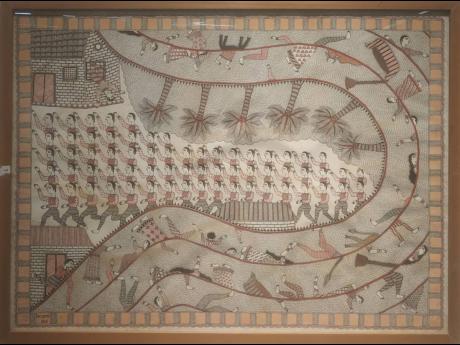
Named after the district of Madhubani in the eastern Indian state of Bihar, this art form is believed to have originated in the mythological Mithila, where the king asked his subjects to decorate their houses to capture the moments of rituals and celebrations held to mark the marriage of his daughter, Seeta, with the Hindu god Rama. Traditionally practiced by female members of families, Madhubani art serves as a cultural identity for local women, preserving their history and traditions through visual storytelling.
The novelty of Madhubani painting lies in its use of natural dyes and pigments, as well as its unique structure, defined by fine lines usually in black color. Artists create these paintings using a variety of mediums, including their own fingers, twigs, nib-pens, and matchsticks. The paintings are characterized by their vibrant colors, mythological scenes, natural elements, and eye-catching geometrical patterns.
Madhubani paintings have been recognized globally, with many museums across continents featuring these artworks. The Indian Postal Department has also featured Madhubani paintings on a series of stamps, and UNESCO has included them in its Christmas card collection. The art form has been awarded the Geographical Identification (GI) status, recognizing its unique cultural significance and traditional practices.
Godawari Dutta's contribution to Madhubani art is immense, and her legacy will continue to inspire many women in Mithila and elsewhere to uphold the tradition of this beautiful art form. Her efforts to preserve and promote Madhubani art have not only lifted the social and economic status of women in the region but have also played a significant role in conservation efforts, particularly in the protection of forests in the region.
In conclusion, Madhubani painting is a cultural icon of India, reflecting the country's rich artistic heritage and cultural diversity. The art form's unique style, traditional practices, and cultural significance make it a timeless beauty that will continue to inspire and captivate audiences around the world.