Home Upload Photo Upload Videos Write a Blog Analytics Messaging Streaming Create Adverts Creators Program
Bebuzee Afghanistan Bebuzee Albania Bebuzee Algeria Bebuzee Andorra Bebuzee Angola Bebuzee Antigua and Barbuda Bebuzee Argentina Bebuzee Armenia Bebuzee Australia Bebuzee Austria Bebuzee Azerbaijan Bebuzee Bahamas Bebuzee Bahrain Bebuzee Bangladesh Bebuzee Barbados Bebuzee Belarus Bebuzee Belgium Bebuzee Belize Bebuzee Benin Bebuzee Bhutan Bebuzee Bolivia Bebuzee Bosnia and Herzegovina Bebuzee Botswana Bebuzee Brazil Bebuzee Brunei Bebuzee Bulgaria Bebuzee Burkina Faso Bebuzee Burundi Bebuzee Cabo Verde Bebuzee Cambodia Bebuzee Cameroon Bebuzee Canada Bebuzee Central African Republic Bebuzee Chad Bebuzee Chile Bebuzee China Bebuzee Colombia Bebuzee Comoros Bebuzee Costa Rica Bebuzee Côte d'Ivoire Bebuzee Croatia Bebuzee Cuba Bebuzee Cyprus Bebuzee Czech Republic Bebuzee Democratic Republic of the Congo Bebuzee Denmark Bebuzee Djibouti Bebuzee Dominica Bebuzee Dominican Republic Bebuzee Ecuador Bebuzee Egypt Bebuzee El Salvador Bebuzee Equatorial Guinea Bebuzee Eritrea Bebuzee Estonia Bebuzee Eswatini Bebuzee Ethiopia Bebuzee Fiji Bebuzee Finland Bebuzee France Bebuzee Gabon Bebuzee Gambia Bebuzee Georgia Bebuzee Germany Bebuzee Ghana Bebuzee Greece Bebuzee Grenada Bebuzee Guatemala Bebuzee Guinea Bebuzee Guinea-Bissau Bebuzee Guyana Bebuzee Haiti Bebuzee Honduras Bebuzee Hong Kong Bebuzee Hungary Bebuzee Iceland Bebuzee India Bebuzee Indonesia Bebuzee Iran Bebuzee Iraq Bebuzee Ireland Bebuzee Israel Bebuzee Italy Bebuzee Jamaica Bebuzee Japan Bebuzee Jordan Bebuzee Kazakhstan Bebuzee Kenya Bebuzee Kiribati Bebuzee Kuwait Bebuzee Kyrgyzstan Bebuzee Laos Bebuzee Latvia Bebuzee Lebanon Bebuzee Lesotho Bebuzee Liberia Bebuzee Libya Bebuzee Liechtenstein Bebuzee Lithuania Bebuzee Luxembourg Bebuzee Madagascar Bebuzee Malawi Bebuzee Malaysia Bebuzee Maldives Bebuzee Mali Bebuzee Malta Bebuzee Marshall Islands Bebuzee Mauritania Bebuzee Mauritius Bebuzee Mexico Bebuzee Micronesia Bebuzee Moldova Bebuzee Monaco Bebuzee Mongolia Bebuzee Montenegro Bebuzee Morocco Bebuzee Mozambique Bebuzee Myanmar Bebuzee Namibia Bebuzee Nauru Bebuzee Nepal Bebuzee Netherlands Bebuzee New Zealand Bebuzee Nicaragua Bebuzee Niger Bebuzee Nigeria Bebuzee North Korea Bebuzee North Macedonia Bebuzee Norway Bebuzee Oman Bebuzee Pakistan Bebuzee Palau Bebuzee Panama Bebuzee Papua New Guinea Bebuzee Paraguay Bebuzee Peru Bebuzee Philippines Bebuzee Poland Bebuzee Portugal Bebuzee Qatar Bebuzee Republic of the Congo Bebuzee Romania Bebuzee Russia Bebuzee Rwanda Bebuzee Saint Kitts and Nevis Bebuzee Saint Lucia Bebuzee Saint Vincent and the Grenadines Bebuzee Samoa Bebuzee San Marino Bebuzee São Tomé and Príncipe Bebuzee Saudi Arabia Bebuzee Senegal Bebuzee Serbia Bebuzee Seychelles Bebuzee Sierra Leone Bebuzee Singapore Bebuzee Slovakia Bebuzee Slovenia Bebuzee Solomon Islands Bebuzee Somalia Bebuzee South Africa Bebuzee South Korea Bebuzee South Sudan Bebuzee Spain Bebuzee Sri Lanka Bebuzee Sudan Bebuzee Suriname Bebuzee Sweden Bebuzee Switzerland Bebuzee Syria Bebuzee Taiwan Bebuzee Tajikistan Bebuzee Tanzania Bebuzee Thailand Bebuzee Timor-Leste Bebuzee Togo Bebuzee Tonga Bebuzee Trinidad and Tobago Bebuzee Tunisia Bebuzee Turkey Bebuzee Turkmenistan Bebuzee Tuvalu Bebuzee Uganda Bebuzee Ukraine Bebuzee United Arab Emirates Bebuzee United Kingdom Bebuzee Uruguay Bebuzee Uzbekistan Bebuzee Vanuatu Bebuzee Venezuela Bebuzee Vietnam Bebuzee World Wide Bebuzee Yemen Bebuzee Zambia Bebuzee Zimbabwe
Blog Image

Looks at some of the best Irish books of 2021

From cul de sacs, to Catholics, to cooking, Cahir O'Doherty rounds up the best Irish books of 2021.

The modern Irish literary renaissance is a publishing phenomenon.

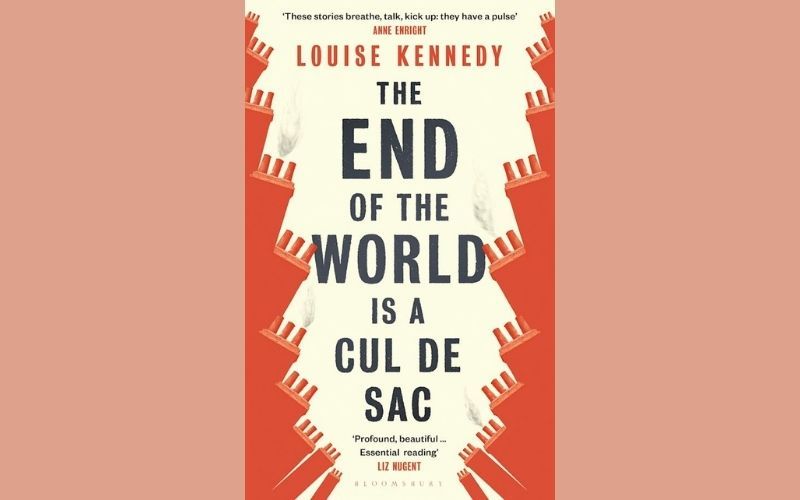
Irish short story writers have been particularly feted this year. Newcomer Louise Kennedy’s terrifically assured debut The End of the World Is a Cul de Sac (Bloomsbury, $19.64) was a deserved critical darling.

Kennedy's impressively timely stories feature hardbitten, flinty characters capable of kindness and great cruelty, in luminous prose that pulls you in from the first line.

This is the book that takes the true measure of Irish rural life in the twenty-first century and it is by turns raucously funny and unspeakably sad. After you read these immensely assured stories you will want to discuss them and the way they expertly pick apart modern Irish life.
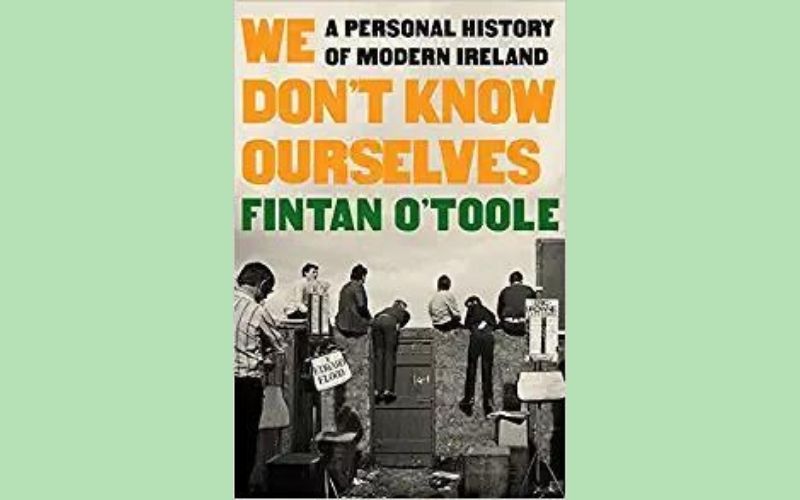
The aging pillars of Irish society and politics are not what they used to be, many having finally fallen or fractured over the last two decades, as books like Fintan O'Toole's absorbing new book We Don't Know Ourselves: A Personal History of Modern Ireland since 1958 clearly avows.

O'Toole lucidly references Charles Haughey's illuminating trip to see the archbishop of Dublin “to express his disgust and revulsion” at Edna O’Brien’s novel The Lonely Girl as a measure of just how far we have come from that forelock-tugging era, where cynical young men like Haughy transparently played the theocratic system to advance their own political careers.

O'Toole writes about high-water marks of the past six decades with an eye for the turning points and the pressures that drove them. By turns funny, illuminating and caustic, this book will become a classic. (Liveright, $32.00)
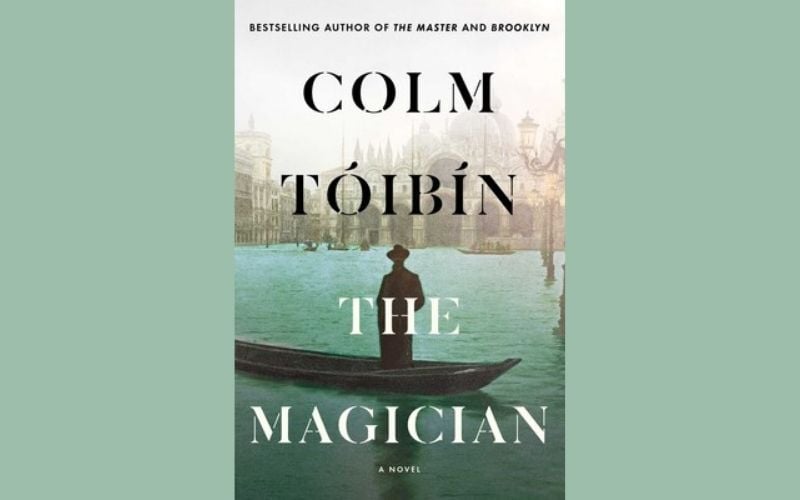
In The Magician, novelist Colm Tóibín assembles the details of his subject Thomas Mann's early life with a film director's eye for telling detail and with a novelist's scope for mystery. What makes an artist an artist, the book asks? What do they owe to life and what to art? (Simon & Schuster, $28.00)
Many people who lived through the last decades of the last century are still too relieved by the collapse of the Catholic Church there to come to terms yet with what it might mean for our society.

In The Best Catholics in the World: The Irish, the Church and the End of a Special Relationship, author Derek Scally wrestles with the dramatic change that has overtaken us. Why, he asks, were the Irish so ripe for the kind of hold that the church eventually had on us?

Then he goes deeper; why did so many of us conspire with these forces of oppression and abuse for so long? Why did so many of us pretend not to see what we plainly did? What in our history set us up for that kind of exploitation and how do we prevent it from ever happening again?

We haven't really come to terms with our past, government enquiries into abuses in mother and baby homes have not been sufficiently redressed, many victims can rightly claim to have received token hearings or have been wholly abandoned.

Scally refuses to simply march forward without due consideration to where we have been and that makes this book important and often uncomfortable reading. (Penguin, $32.95).

Read More…


Previous Post

From coal mine to pencil mine: the story of Bosmoreau in Creuse told in a book

Next Post

'The Greedy Barbarian' is more Idi Amin than Museveni

Comments