Malaysia’s opposition PN retains Penang state seat with comfortable majority in by-election

Perikatan Nasional (PN), Malaysia’s opposition alliance, secured a significant victory in the recent Penang by-election held on July 6, 2024. This win reflects growing discontent with Prime Minister Anwar Ibrahim’s ruling coalition and signals potential shifts in the political landscape. This article delves into the details of the by-election, the factors behind PN's success, and the implications for Malaysia’s political future.
Details of the By-Election
Candidates and Results
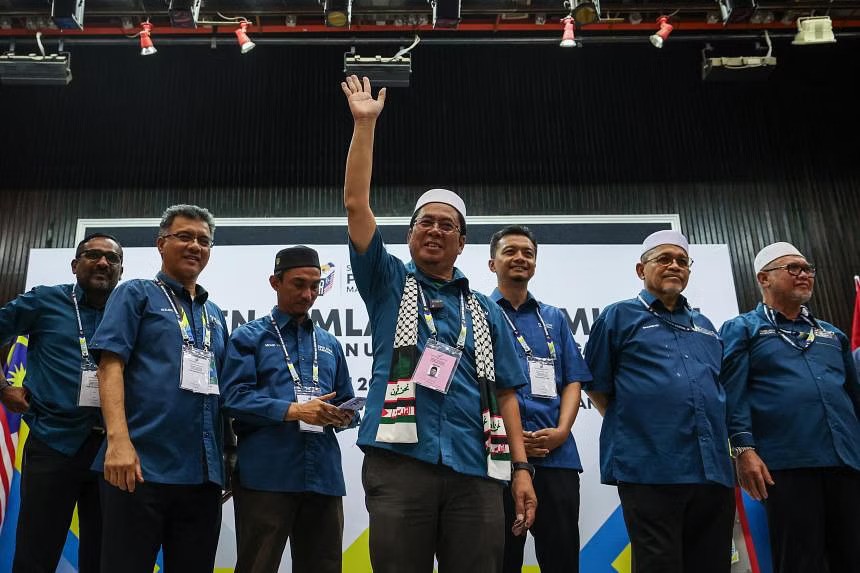
Mr. Abidin Ismail, 56, from Parti Islam SeMalaysia (PAS), a member of the PN alliance, won the Sungai Bakap state assembly seat with 14,489 votes, representing 58.6% of the valid votes. His opponent, Dr. Joohari Ariffin from Pakatan Harapan (PH), garnered 10,222 votes, or 41.3%, in a straight fight in the Malay-majority ward of 39,279 voters.
Voter Turnout and Demographics
The total voter turnout was 63.4%. In Sungai Bakap, 59.4% of the voters are Malay, 22.5% Chinese, and 17.4% Indian. The turnout of Chinese voters saw a significant drop from previous elections, influencing the overall results.
Background of the Sungai Bakap By-Election
Reason for the By-Election
The by-election was necessitated by the death of incumbent PN assemblyman Nor Zamri Latiff on May 24 due to stomach inflammation. Mr. Abidin, who was a special officer to Nor Zamri, contested and won the seat.
Previous Election Results
In the August 2023 state election, Nor Zamri narrowly won the seat with 52.6% of the vote and a slim majority of 1,563 ballots. PN's improved performance in this by-election indicates a growing support base.
Analyzing Perikatan Nasional's Victory
Factors Contributing to PN’s Success
PN’s victory can be attributed to several factors:
- Rising cost of living concerns.
- Cuts to diesel subsidies.
- Increased utilities rates.
- Effective campaign strategies that resonated with the Malay majority.
Voter Sentiment and Issues
Economic hardships, particularly the recent cuts to diesel subsidies and rising utility costs, played a crucial role in swaying voter sentiment towards PN. The government's measures to address these issues, such as a minor reduction in the price of chicken eggs, were perceived as insufficient by the electorate.
Impact on Prime Minister Anwar Ibrahim’s Ruling Coalition
Reactions from the Government
Prime Minister Anwar Ibrahim acknowledged the defeat, stating that his government is committed to defending the people's welfare and successfully executing its agenda. Despite the loss, the ruling coalition retains a comfortable two-thirds majority in the Penang state assembly.
Implications for Future Policies
The by-election results may prompt the government to reassess its policies, particularly those related to economic issues and subsidies, to regain public trust and support.
Expert Opinions on the By-Election Results
Sociopolitical Analysts' Insights
Analysts like Awang Azman Pawi from the University of Malaya highlighted the impact of economic issues on voter sentiment. They noted that the opposition effectively utilized concerns over subsidy cuts and cost of living during their campaign, while the government's responses failed to resonate with grassroots voters.
Public Sentiment and Analysis
Political analysts like Vyshnav Menon from BowerGroupAsia pointed out that PN’s victory signals a loss of support from PH’s non-Malay voter base, driven by growing disillusionment with the government's slow pace of reforms.
The Role of Cost of Living and Subsidy Issues
Economic Factors Influencing Voters
The rising cost of living, exacerbated by cuts to diesel subsidies and increased utility rates, significantly influenced voter behavior. These economic pressures overshadowed the government's efforts to provide relief, leading to a shift in support towards the opposition.
Government Measures and Public Response
The government's attempt to ease cost-of-living concerns with minor measures like reducing the price of chicken eggs was seen as inadequate, failing to alleviate the financial burdens faced by many voters.
Ethnic Voter Turnout and Political Dynamics
Breakdown of Voter Demographics
The turnout of Chinese voters dropped significantly by 13% compared to the 2023 state polls, while the turnout among the Indian community remained unchanged. The Malay majority in the constituency played a decisive role in PN’s victory.
Influence of Ethnic Groups on the Results
The decreased turnout among Chinese voters, coupled with the consistent participation of Malay voters, highlighted the ethnic dynamics that influenced the election outcome. This shift indicates potential challenges for PH in maintaining its support base across different ethnic groups.
Comparing Past and Present Election Outcomes
Historical Context
The by-election results contrast with the previous narrow victory in the 2023 state election. PN's increased vote share and improved margin of victory reflect changing voter preferences and growing dissatisfaction with the ruling coalition.
Changes in Voter Preferences
The electorate’s concerns over economic issues and perceived government inefficiencies have led to a shift in voter support towards the opposition. This change underscores the importance of addressing key voter concerns to maintain political stability.
Strategies of Perikatan Nasional and Pakatan Harapan
Campaign Tactics
PN’s campaign effectively highlighted economic issues and the impact of subsidy cuts, resonating with voters' immediate concerns. In contrast, PH’s campaign struggled to address these issues convincingly.
Effectiveness and Shortcomings
PN's ability to connect with voters on pressing issues proved effective, while PH's inability to counter these narratives and provide satisfactory solutions contributed to their loss.
Implications for Future State and National Elections
Potential Shifts in Political Landscape
The by-election results indicate potential shifts in Malaysia’s political landscape, with PN gaining momentum and the ruling coalition facing increased scrutiny. This shift could influence future state and national elections, prompting political parties to reassess their strategies.
Strategic Adjustments for Political Parties
Both PN and PH will need to adjust their strategies to address voter concerns effectively. For PN, consolidating their gains and expanding their support base will be crucial, while PH must focus on regaining trust and addressing economic issues more robustly.
Perikatan Nasional's victory in the Penang by-election reflects growing discontent with Prime Minister Anwar Ibrahim’s ruling coalition and highlights the importance of addressing economic issues and voter concerns. As Malaysia heads towards future elections, both political alliances must learn from this by-election to better connect with the electorate and address their pressing needs.
FAQs
What was the outcome of the Sungai Bakap by-election?
Mr. Abidin Ismail from Perikatan Nasional won the Sungai Bakap state assembly seat with 58.6% of the valid votes, defeating Dr. Joohari Ariffin from Pakatan Harapan.
How did economic issues affect the by-election?
Economic issues, particularly the rising cost of living and subsidy cuts, significantly influenced voter sentiment, leading to increased support for the opposition.
What are the implications for Prime Minister Anwar Ibrahim?
The defeat indicates growing dissatisfaction with his administration's handling of economic issues. It may prompt the government to reassess its policies and improve efforts to address public concerns.
How did voter turnout vary among ethnic groups?
The turnout of Chinese voters decreased significantly, while Malay voter turnout remained strong. This demographic shift played a crucial role in the election outcome.
What lessons can political parties learn from this by-election?
Political parties must address voter concerns effectively, particularly economic issues, and ensure their campaign messages resonate with the electorate. Engaging with grassroots voters and providing tangible solutions is essential.
What are the future prospects for Perikatan Nasional and Pakatan Harapan?
Perikatan Nasional may continue to gain momentum if they effectively address voter concerns, while Pakatan Harapan needs to regain trust and focus on delivering on their promises to improve their prospects in future elections.