Home Upload Photo Upload Videos Write a Blog Analytics Messaging Streaming Create Adverts Creators Program
Bebuzee Afghanistan Bebuzee Albania Bebuzee Algeria Bebuzee Andorra Bebuzee Angola Bebuzee Antigua and Barbuda Bebuzee Argentina Bebuzee Armenia Bebuzee Australia Bebuzee Austria Bebuzee Azerbaijan Bebuzee Bahamas Bebuzee Bahrain Bebuzee Bangladesh Bebuzee Barbados Bebuzee Belarus Bebuzee Belgium Bebuzee Belize Bebuzee Benin Bebuzee Bhutan Bebuzee Bolivia Bebuzee Bosnia and Herzegovina Bebuzee Botswana Bebuzee Brazil Bebuzee Brunei Bebuzee Bulgaria Bebuzee Burkina Faso Bebuzee Burundi Bebuzee Cabo Verde Bebuzee Cambodia Bebuzee Cameroon Bebuzee Canada Bebuzee Central African Republic Bebuzee Chad Bebuzee Chile Bebuzee China Bebuzee Colombia Bebuzee Comoros Bebuzee Costa Rica Bebuzee Côte d'Ivoire Bebuzee Croatia Bebuzee Cuba Bebuzee Cyprus Bebuzee Czech Republic Bebuzee Democratic Republic of the Congo Bebuzee Denmark Bebuzee Djibouti Bebuzee Dominica Bebuzee Dominican Republic Bebuzee Ecuador Bebuzee Egypt Bebuzee El Salvador Bebuzee Equatorial Guinea Bebuzee Eritrea Bebuzee Estonia Bebuzee Eswatini Bebuzee Ethiopia Bebuzee Fiji Bebuzee Finland Bebuzee France Bebuzee Gabon Bebuzee Gambia Bebuzee Georgia Bebuzee Germany Bebuzee Ghana Bebuzee Greece Bebuzee Grenada Bebuzee Guatemala Bebuzee Guinea Bebuzee Guinea-Bissau Bebuzee Guyana Bebuzee Haiti Bebuzee Honduras Bebuzee Hong Kong Bebuzee Hungary Bebuzee Iceland Bebuzee India Bebuzee Indonesia Bebuzee Iran Bebuzee Iraq Bebuzee Ireland Bebuzee Israel Bebuzee Italy Bebuzee Jamaica Bebuzee Japan Bebuzee Jordan Bebuzee Kazakhstan Bebuzee Kenya Bebuzee Kiribati Bebuzee Kuwait Bebuzee Kyrgyzstan Bebuzee Laos Bebuzee Latvia Bebuzee Lebanon Bebuzee Lesotho Bebuzee Liberia Bebuzee Libya Bebuzee Liechtenstein Bebuzee Lithuania Bebuzee Luxembourg Bebuzee Madagascar Bebuzee Malawi Bebuzee Malaysia Bebuzee Maldives Bebuzee Mali Bebuzee Malta Bebuzee Marshall Islands Bebuzee Mauritania Bebuzee Mauritius Bebuzee Mexico Bebuzee Micronesia Bebuzee Moldova Bebuzee Monaco Bebuzee Mongolia Bebuzee Montenegro Bebuzee Morocco Bebuzee Mozambique Bebuzee Myanmar Bebuzee Namibia Bebuzee Nauru Bebuzee Nepal Bebuzee Netherlands Bebuzee New Zealand Bebuzee Nicaragua Bebuzee Niger Bebuzee Nigeria Bebuzee North Korea Bebuzee North Macedonia Bebuzee Norway Bebuzee Oman Bebuzee Pakistan Bebuzee Palau Bebuzee Panama Bebuzee Papua New Guinea Bebuzee Paraguay Bebuzee Peru Bebuzee Philippines Bebuzee Poland Bebuzee Portugal Bebuzee Qatar Bebuzee Republic of the Congo Bebuzee Romania Bebuzee Russia Bebuzee Rwanda Bebuzee Saint Kitts and Nevis Bebuzee Saint Lucia Bebuzee Saint Vincent and the Grenadines Bebuzee Samoa Bebuzee San Marino Bebuzee São Tomé and Príncipe Bebuzee Saudi Arabia Bebuzee Senegal Bebuzee Serbia Bebuzee Seychelles Bebuzee Sierra Leone Bebuzee Singapore Bebuzee Slovakia Bebuzee Slovenia Bebuzee Solomon Islands Bebuzee Somalia Bebuzee South Africa Bebuzee South Korea Bebuzee South Sudan Bebuzee Spain Bebuzee Sri Lanka Bebuzee Sudan Bebuzee Suriname Bebuzee Sweden Bebuzee Switzerland Bebuzee Syria Bebuzee Taiwan Bebuzee Tajikistan Bebuzee Tanzania Bebuzee Thailand Bebuzee Timor-Leste Bebuzee Togo Bebuzee Tonga Bebuzee Trinidad and Tobago Bebuzee Tunisia Bebuzee Turkey Bebuzee Turkmenistan Bebuzee Tuvalu Bebuzee Uganda Bebuzee Ukraine Bebuzee United Arab Emirates Bebuzee United Kingdom Bebuzee Uruguay Bebuzee Uzbekistan Bebuzee Vanuatu Bebuzee Venezuela Bebuzee Vietnam Bebuzee World Wide Bebuzee Yemen Bebuzee Zambia Bebuzee Zimbabwe
Blog Image

Mapping the evolutionary history of a sugar gene

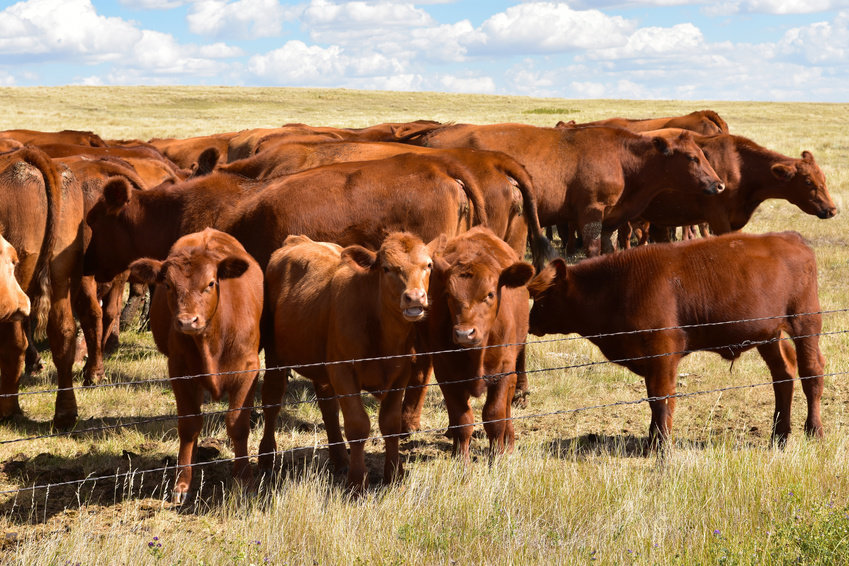
Beef cattle in pasture (stock image). Credit: © Tom / Fotolia

Around two million years ago, a genetic change occurred that differentiated humans from most other primates that both protected humans from diseases, yet made red meat a health risk.

At this point in human evolution, a certain gene, known as CMAH, that allows for the synthesis of a sugar called Neu5Gc, went missing. This sugar is present in red meats, some fish and dairy products. When humans consume an animal that has that gene, the body has an immune reaction to the foreign sugar, which can cause inflammation, arthritis, and cancer.

University of Nevada, Reno researchers, led by College of Science Assistant Professor David Alvarez-Ponce, have analyzed 322 animal genome sequences from the National Center for Biotechnology Information looking for animals that show the presence of active CMAH genes. They placed the data from the 322 animal genomes into a "tree" to determine when in an animal's evolutionary history did the CMAH gene became inactive or "turned off." This is useful in explaining why certain species have an active CMAH gene and why similar species don't.

The Alvarez-Ponce lab specializes in studying the evolution of genes and genomes using bioinformatics. When it comes to the few fish investigated so far, there is an insignificant concentration of the Neu5Gc sugar to be a medical concern, but the concentrations of Neu5Gc are significantly higher in fish eggs, better known as caviar. As masters' student Sateesh Peri puts it, "one of the most expensive foods is among the ones with the highest amount of toxic Neu5Gc."

Birds also lack active CMAH genes, implying that consuming animals like chicken, turkey, and geese is not associated with the harmful side effects. Another class of animals that do not have the CMAH gene are reptiles, except for one species of lizard. The presence of the gene in this lizard challenges prior propositions that the gene may have been lost in an ancestor of reptiles and birds.

Aside from dietary issues, the CMAH gene also proves to be a major factor in whether or not a transplanted organ from an animal would be accepted by a human because of the gene. When an animal with a CMAH gene's organs are transplanted into a human who does not have the CMAH gene, the human body might reject the organ because of the presence of the Neu5Gc sugar.

"Inactivation of CMAH during human evolution might have freed humans from a number of pathogens," Alvarez-Ponce said. "For instance, there's this certain type of malaria that requires Neu5Gc for infection -- other primates are susceptible to it, but not humans."

The presence of the CMAH gene determines what animals humans should avoid eating (or should eat in moderation) and which animal bites humans should avoid. If the animal has the CMAH gene, then it shouldn't be eaten because it could cause inflammation, arthritis and cancer. However, consuming red meat in moderation is considered to be fine. If the animal doesn't have the CMAH gene, then those animals are more likely to contain pathogens that attach to Neu5Ac (the precursor of Neu5Gc) and that can affect humans.

This research is expected to be a crucial stepping stone for future work in nutrition, genetics and medicine. Finding where and when the gene gets turned off is critical in determining which species are most likely to have the toxic sugar Neu5Gc, and if so what their use can be in transplants, diets, and research. The work of Alvarez-Ponce's team will make it easier to understand why certain diseases form and find ways to combat the spread of disease.

Previous Post

To sleep or not: Researchers explore complex genetic network behind sleep duration

Next Post

Conservation study uses tiny treadmills to test sea turtle hatchling stamina

Comments