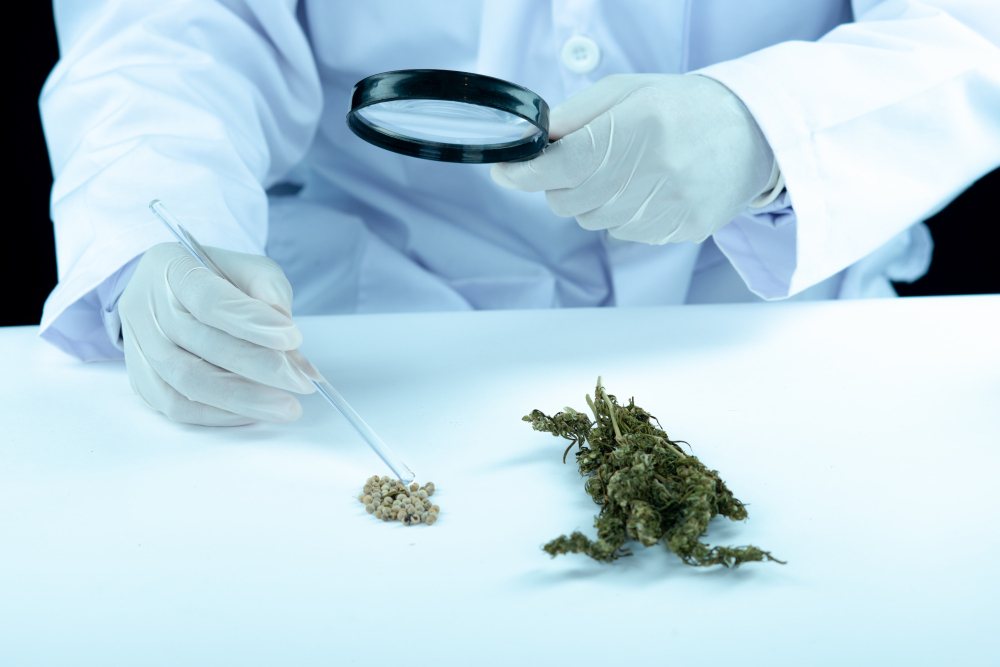
Marijuana Addiction: Myths vs. Reality
-
 Loading...
 - Rakhi shimla
- 04 Apr 2025
- 29 Views
- 0 Like
- 0 Comment
Uncover the truth about marijuana addiction by separating myths from facts. Learn how centers like Nasha Mukti Kendra in Ludhiana help individuals recover safely and effectively.
As the global conversation around marijuana continues to shift, with many countries and states decriminalizing or legalizing its use, it’s more important than ever to distinguish fact from fiction. While marijuana may be perceived as a relatively harmless drug—especially compared to substances like alcohol, opioids, or tobacco—its potential for dependency and long-term impact is often underestimated.
This article explores the common myths surrounding marijuana use and addiction and compares them with the scientific and psychological realities. Understanding both sides of the debate can help individuals make informed choices and recognize when recreational use begins to affect health and well-being.
Myth 1: Marijuana Isn’t Addictive
One of the most pervasive beliefs is that marijuana is not addictive. While it’s true that marijuana is less addictive than substances like heroin or alcohol, this doesn't mean addiction isn't possible. In fact, the National Institute on Drug Abuse (NIDA) estimates that about 1 in 10 marijuana users will become addicted, and that number increases to 1 in 6 for those who start using during adolescence.
Addiction to marijuana, formally known as Cannabis Use Disorder (CUD), is characterized by a psychological dependency on the drug. Individuals may find it difficult to stop using even when it interferes with their personal, professional, or academic life. Symptoms can include irritability, insomnia, decreased appetite, and intense cravings—especially after prolonged use.
For individuals who struggle to control their usage and find it affecting their quality of life, seeking professional support from facilities like a Nasha Mukti Kendra in Ludhiana can be a valuable first step toward recovery.
Myth 2: It's Just a Plant—So It’s Safe
The notion that marijuana is “just a plant” and therefore harmless is misleading. While marijuana is indeed a naturally occurring plant, so are other substances like tobacco, opium, and coca—each of which can lead to dependency and health issues. The chemical compound responsible for marijuana’s psychoactive effects is THC (tetrahydrocannabinol), which interacts with receptors in the brain and affects cognition, memory, mood, and perception.
Moreover, the potency of marijuana has increased significantly over the past few decades. Today’s cannabis products often contain much higher concentrations of THC, raising the risk of dependency and adverse mental health effects, particularly in younger users.
For those experiencing negative effects from marijuana use, a structured treatment program offered by centers such as a Nasha Mukti Kendra in Ludhiana can provide the necessary tools for safe withdrawal and long-term wellness.
Myth 3: Marijuana Helps Everyone with Anxiety and Depression
While marijuana may offer temporary relief from anxiety or depressive thoughts for some users, it’s not a cure—and for many, it can actually worsen mental health symptoms over time. Chronic marijuana use has been linked to increased risk of depression, anxiety, and psychosis, especially in individuals with a family history of mental illness or those who use high-THC strains frequently.
Self-medicating with marijuana might mask underlying emotional issues without addressing the root causes. Additionally, the withdrawal phase can bring heightened irritability, mood swings, and sleep disturbances, making mental health symptoms more pronounced.
Professional rehabilitation centers, like a Nasha Mukti Kendra in Ludhiana, offer an integrated approach to treatment, combining detoxification with psychological support to help individuals address both addiction and co-occurring mental health conditions.
Myth 4: You Can’t Experience Withdrawal from Marijuana
Another common myth is that marijuana has no withdrawal symptoms, making quitting easy for anyone at any time. While marijuana withdrawal may not be as physically intense as withdrawal from substances like alcohol or opioids, it can still be challenging—particularly for heavy or long-term users.
Common marijuana withdrawal symptoms include:
Irritability
Anxiety
Sleep disturbances
Reduced appetite
Cravings
Mood swings
These symptoms can appear within a day or two of stopping use and may last for up to two weeks or longer, depending on individual factors such as age, health, and usage history.
Many people benefit from structured detox and counseling support during this phase. A Nasha Mukti Kendra in Ludhiana provides a controlled and supportive environment that eases withdrawal and promotes healthy coping strategies.
Myth 5: Everyone Uses It—So It Must Be Fine
Social normalization of marijuana use, especially through pop culture and peer influence, can make it seem like “everyone is doing it.” This creates the impression that it’s a harmless rite of passage or a lifestyle choice rather than a behavior that can lead to dependency.
While it’s true that marijuana use has become more common, particularly among young adults, that doesn’t mean it’s risk-free. Just as social drinking can evolve into alcohol abuse, casual marijuana use can also cross the line into psychological addiction.
Early recognition of the signs of dependency and access to treatment resources like a Nasha Mukti Kendra in Ludhiana can make a significant difference in preventing long-term harm and enabling users to regain control over their lives.
Reality Check: Understanding Cannabis Use Disorder
Cannabis Use Disorder is a clinically recognized condition that impacts millions of people worldwide. Its severity can range from mild to severe, based on how many symptoms are present. Those with CUD often struggle to cut down or control their use, spend a lot of time using marijuana, and may continue to use it even when it causes social or personal problems.
The good news? Recovery is possible. Like other forms of addiction, CUD responds well to treatment that includes behavioral therapies, motivational enhancement, peer support, and sometimes medication. Centers such as a Nasha Mukti Kendra in Ludhiana are equipped to provide comprehensive care plans tailored to each individual's needs, including detox, counseling, and long-term support.
The Role of Professional Treatment
Recognizing marijuana addiction is the first—and often hardest—step. Denial, normalization, or the fear of being judged can delay seeking help. But professional treatment centers offer a judgment-free, confidential environment where individuals can work through their challenges.
Key components of professional treatment for marijuana addiction include:
Personalized detox programs
Cognitive Behavioral Therapy (CBT)
Individual and group counseling
Family therapy
Relapse prevention strategies
Facilities like a Nasha Mukti Kendra in Ludhiana provide holistic treatment that focuses on both the physical and psychological aspects of addiction, empowering individuals to reclaim control over their health and future.
Final Thoughts: Knowledge is Power
While marijuana may be less harmful than some other substances, the idea that it is completely safe or non-addictive is misleading. By debunking common myths and focusing on evidence-based realities, we can have more honest and informed conversations about marijuana use and its effects.
If you or someone you know is struggling with marijuana dependency, professional help is available. A trusted Nasha Mukti Kendra in Ludhiana can offer the support, tools, and care needed to break free from addiction and embrace a healthier, more balanced life.