Protect Your Kidneys: Essential Health Tips and Treatments
-
 Loading...
 - Kuntum Chua
- 04 Apr 2025
- 28 Views
- 0 Like
- 0 Comment
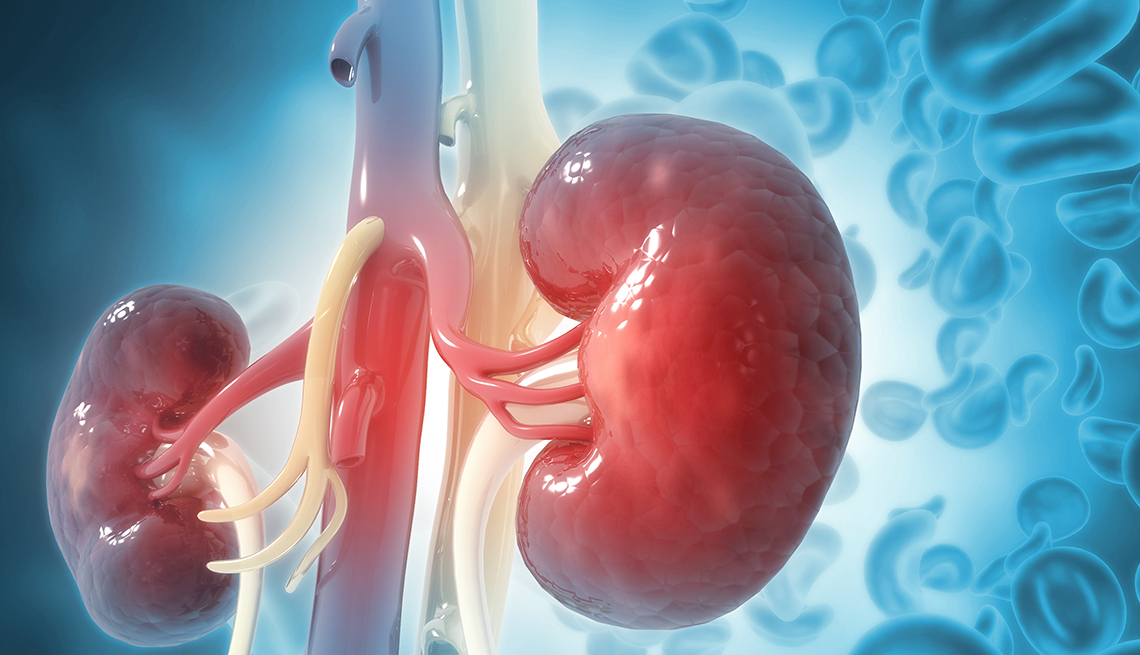
Your kidneys play a vital role in maintaining overall health by filtering waste products from the blood, regulating fluid balance, and managing electrolyte levels. Protecting your kidneys is essential for long-term health. Here are some essential health tips and treatments to help keep your kidneys functioning optimally.
1. Stay Hydrated
Drinking enough water is crucial for kidney health. Proper hydration helps the kidneys filter waste from the blood and prevents the formation of kidney stones. Aim for at least 8 glasses of water a day, or more if you are active or live in a hot climate.
2. Maintain a Balanced Diet
A healthy diet can significantly impact kidney function. Focus on:
- Fruits and Vegetables: Rich in vitamins and minerals, they help reduce inflammation and support kidney health.
- Whole Grains: Foods like brown rice, quinoa, and whole wheat bread provide essential nutrients and fiber.
- Lean Proteins: Opt for fish, poultry, and plant-based proteins to reduce the strain on your kidneys.
- Limit Sodium: Reducing salt intake can help control blood pressure and decrease kidney workload.
3. Monitor Blood Pressure and Blood Sugar
High blood pressure and diabetes are leading causes of kidney disease. Regularly monitor your blood pressure and blood sugar levels, and work with your healthcare provider to manage them effectively. Lifestyle changes, medications, and dietary adjustments can help keep these levels in check.
4. Exercise Regularly
Physical activity is essential for overall health and can help maintain a healthy weight, lower blood pressure, and improve blood sugar control. Aim for at least 150 minutes of moderate-intensity exercise each week, such as walking, swimming, or cycling.
5. Avoid Over-the-Counter Painkillers
Frequent use of nonsteroidal anti-inflammatory drugs (NSAIDs) like ibuprofen and naproxen can harm the kidneys over time. If you need pain relief, consult your healthcare provider for safer alternatives.
6. Limit Alcohol and Quit Smoking
Excessive alcohol consumption and smoking can both negatively impact kidney function. Limiting alcohol intake and quitting smoking can improve overall health and reduce the risk of kidney disease.
7. Get Regular Check-ups
Regular health check-ups can help detect kidney issues early. If you have risk factors such as diabetes, high blood pressure, or a family history of kidney disease, discuss with your healthcare provider about more frequent monitoring.
8. Consider Supplements Wisely
Some supplements can be beneficial for kidney health, but others may pose risks. Always consult with a healthcare professional before starting any new supplements, especially if you have existing kidney issues.
Protecting your kidneys involves a combination of healthy lifestyle choices, regular monitoring, and proactive healthcare. By staying hydrated, eating a balanced diet, exercising, and avoiding harmful substances, you can help maintain optimal kidney function and overall health. If you have concerns about your kidney health, consult a healthcare professional for personalized advice and treatment options.