Master Rust Photography With These Top Tips: How To Capture The Beauty Of Rustic Scenes

Landscape photography's all well and good, but what do you photograph when the skies are leaden and the rain's really set in for the day. That's when I pick up a tripod and head off for a 'rust fix' and there are plenty of museums and collections around the country that are perfect for this type of day.
. Rusty objects and scenes can be fascinating subjects for photographers due to their texture, colors, and character. However, capturing the beauty of rust can be challenging. In this article, we will provide you with some top tips on how to master rust photography and capture stunning images that showcase the beauty of rusty objects.
Rust is a natural process that occurs when iron or steel is exposed to moisture and oxygen over time. Rust can be found on a variety of objects, such as cars, boats, buildings, and machinery. While rust is often viewed as a sign of decay and neglect, it can also be a source of beauty and inspiration for photographers.
Rust photography is a genre of photography that focuses on capturing the beauty of rust. Rust photography can be challenging, as rusty objects can be difficult to photograph due to their often uneven texture and color. However, with the right techniques and equipment, it is possible to create stunning images that showcase the beauty of rust.
Here are some top tips for mastering rust photography:
1. Find Interesting Rusty Objects

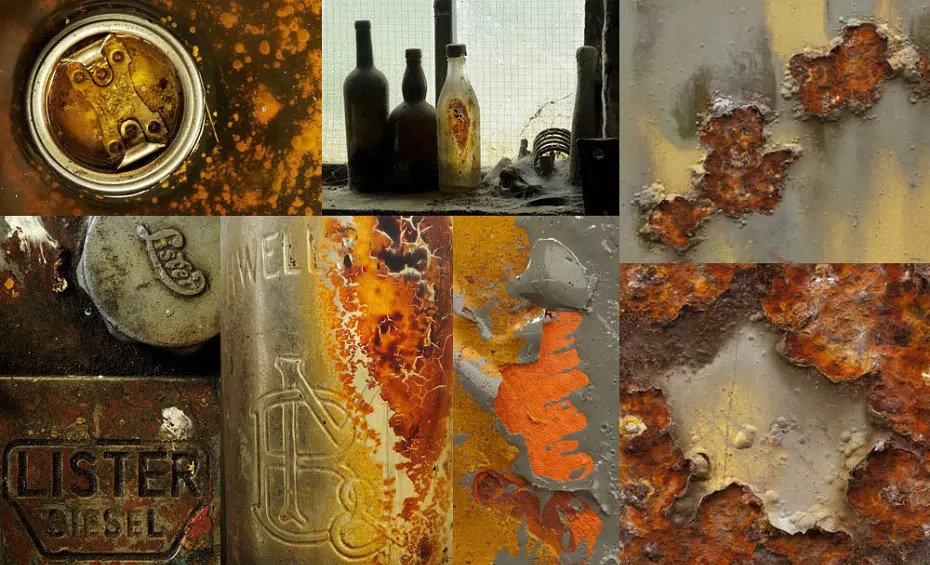
The first step in mastering rust photography is to find interesting rusty objects to photograph. Look for objects that have interesting shapes, colors, and textures. Old cars, boats, and buildings are often great subjects for rust photography. Pay attention to the details of the rust, such as the patterns and colors.
2. Pay Attention To Lighting
Lighting is crucial in photography, and rust photography is no exception. Pay attention to the lighting conditions when photographing rusty objects. Natural light can be especially effective in capturing the texture and color of rust. Experiment with different angles and times of day to find the best lighting for your subject.
3. Use A Tripod
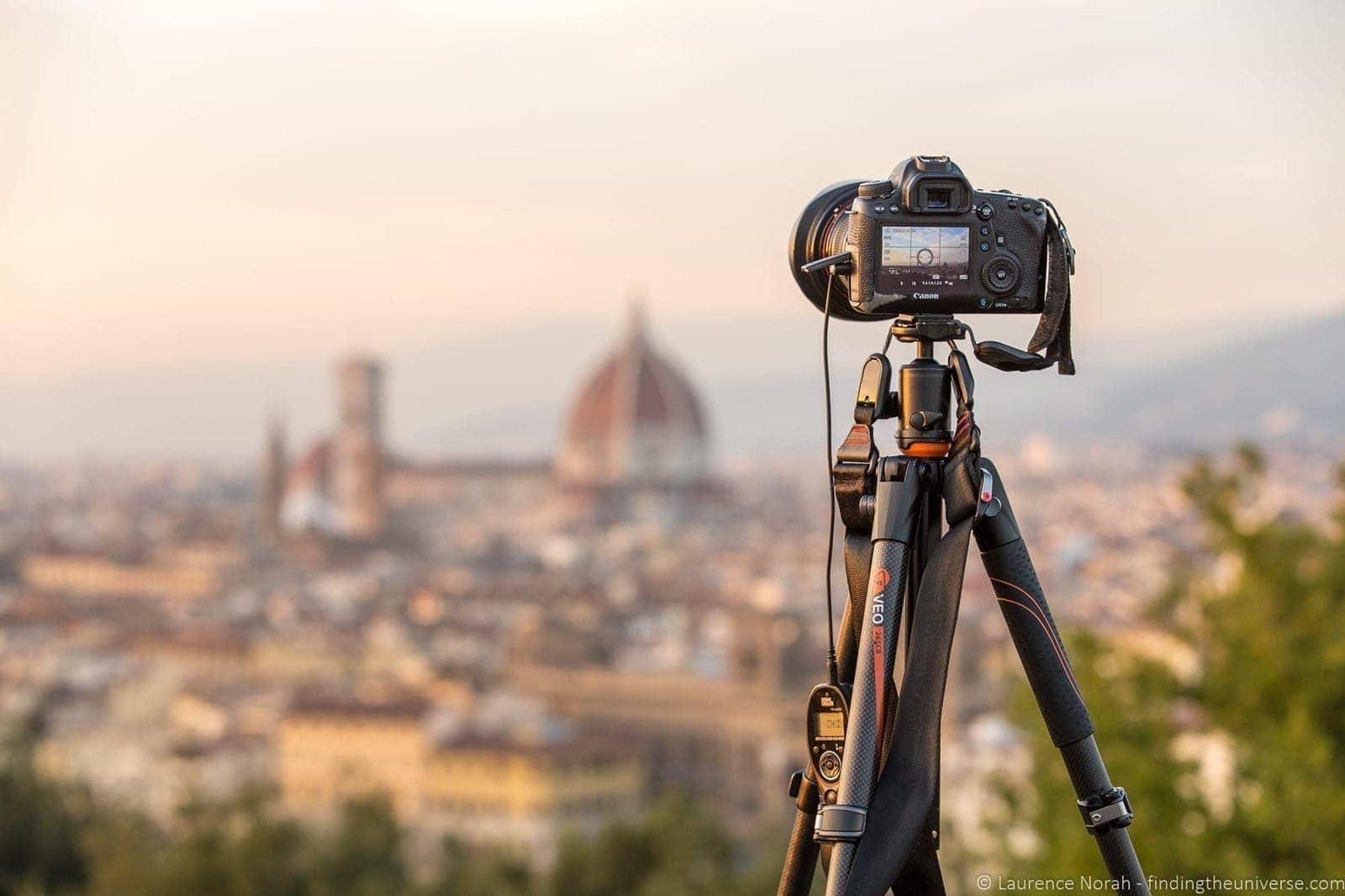
When photographing rusty objects, it is important to use a tripod. Rust photography often requires longer exposure times to capture the detail and texture of the rust. Using a tripod will help keep your camera steady and reduce camera shake, resulting in sharper images.
4. Experiment With Different Lenses
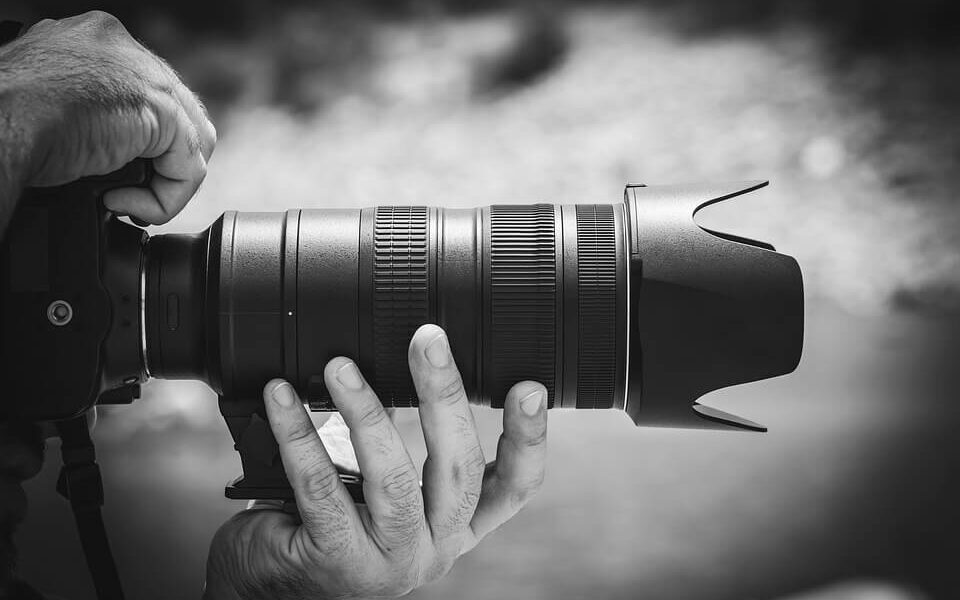
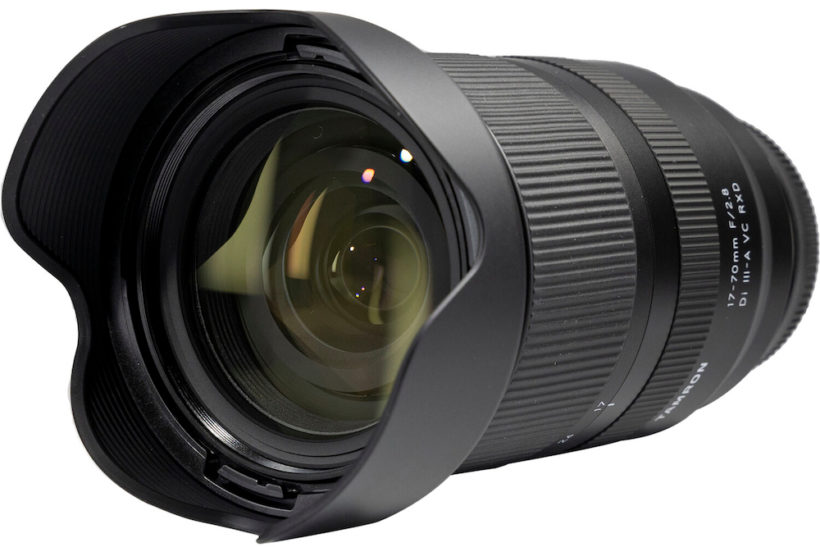
Experiment with different lenses when photographing rust. A macro lens can be particularly effective in capturing the texture and detail of rust. A wide-angle lens can be useful in capturing the overall scene and environment of the rusty object.
5. Get Close
When photographing rusty objects, don't be afraid to get up close and personal. Get close to the rust to capture the texture and detail. Rust can be fascinating up close, and getting close can result in stunning images.
6. Edit Your Photos
Once you have captured your rust photos, don't forget to edit them. Editing can help enhance the colors, contrast, and texture of the rust. Experiment with different editing techniques to find the best way to showcase the beauty of the rust.
Frequently Asked Questions
Here are some frequently asked questions about rust photography:
Q: What equipment do I need for rust photography?
A: You will need a camera, a tripod, and a variety of lenses. A macro lens can be particularly effective in capturing the texture and detail of rust.
Q: What are some good subjects for rust photography?
A: Old cars, boats, buildings, and machinery are often great subjects for rust photography. Look for objects that have interesting shapes, colors, and textures.
Q: What is the best lighting for rust photography?
A: Natural light can be especially effective in capturing the texture and color of rust.