Top Beach Photography Tips: Ways to Improve Your Beach Photos
-
 Loading...
 - Debra Martin
- 08 May 2023
- 73 Views
- 0 Like
- 0 Comment
Are you a beach lover who wants to capture stunning photos of the ocean and the sand? If yes, then you're in luck! We've compiled a list of tips that will help you take better beach photos. From the gear you need to how to protect it, we've got you covered.
Top Beach Photography Tips
Before diving into the nitty-gritty details, let's start with the most important tips for taking better beach photos.
- Be Prepared: Before heading out to the beach, research the location and check the weather forecast. Also, make sure you have all the necessary gear with you.
- Arrive Early: The best time for taking photos is during the golden hour, which is the first hour after sunrise and the last hour before sunset.
- Experiment with Different Angles: Don't just take photos from eye-level. Try shooting from a low angle, above or even from the water to get unique shots.
- Play with Light: Utilize the light to your advantage. Shoot with the sun behind you, use the sun to create silhouettes or use shadows to add depth to your shots.
- Capture Movement: Don't forget to capture the motion of the waves, the water splashing or people playing on the beach.
- Look for Details: Keep an eye out for interesting details like seashells, footprints, and patterns in the sand.
What Gear Do I Need?
Now that you know the top tips for taking beach photos, let's talk about the gear you need.
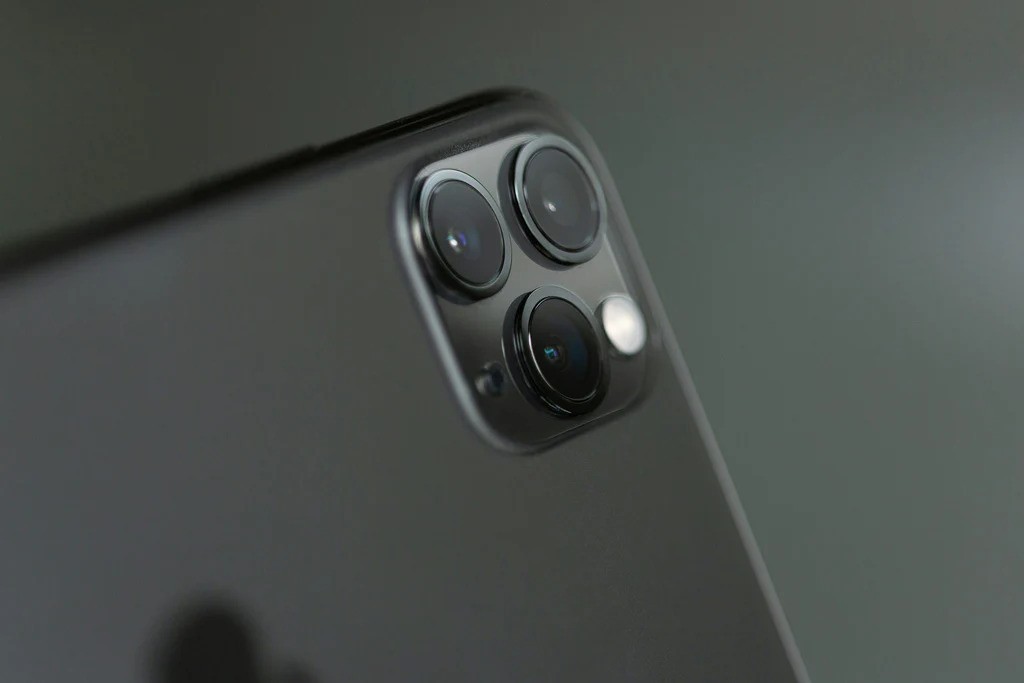
Camera
Whether you use a compact or DSLR camera, the most important thing is that you feel comfortable with it. A compact camera is easy to use and carry around, while a DSLR camera will give you more control over your photos. It all depends on your preference.
Camera Bag
A camera bag is essential to protect your gear from sand and sea salt when you're not using it. Look for a bag that is waterproof and has padding to protect your gear.
Tripod
A tripod will help you stabilize your camera and avoid blurry shots. Something lightweight and portable will be perfect as it won't take up too much room in the car and your arms won't ache after carrying it around all day.
Polarising Filter
A polarising filter will help reduce reflections and boost contrast in your photos. It's especially useful when shooting the ocean or water.
UV Filter
A UV filter will protect your lens from scratches, dust and other elements that could damage it.
Hurricane Blower and Lens Cloth
Make sure your lens is free of sea spray and keep grains of sand out by using a hurricane blower and lens cloth.
How To Protect Your Gear
Photography gear doesn't like sand, saltwater or humidity. Here are some tips to protect your gear:
1. Wipe all of your gear down when you get home and leave it to dry out completely.
2. Spiked feet will stop your tripod slipping into the sand as you're trying to frame up.
3. A UV filter will help stop sand scratching your lens.
4. When you're not using your camera, remember to put it back in your bag.
5. If you're using a DSLR and want to change lenses, try and do it off the beach and out of the wind so sand doesn't get blown where it shouldn't be.