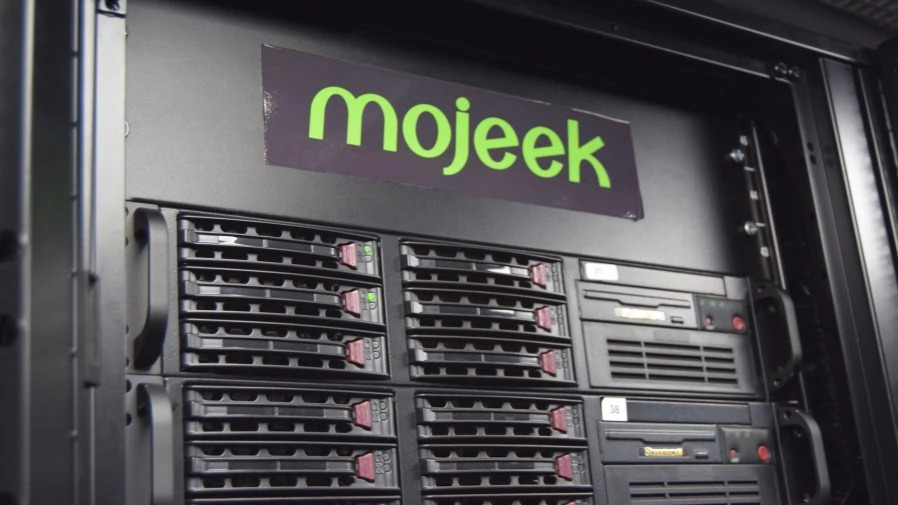
Meet Mojeek, the UK search engine taking on Google's ‘unhealthy monopoly'
-
 Loading...
 - Isabella Martel
- 08 Nov 2022
- 70 Views
- 0 Like
- 0 Comment
Ask anyone to name the first search engine that comes to mind and there’s a high likelihood they’ll say Google. It hasn’t always been this way. Over the past three decades, the answer to that question has also been Yahoo, Ask Jeeves, WebCrawler, AOL Search, or Netscape. British search engine company Mojeek is hoping to be the next name that web surfers turn to, and is building its own crawling technology to challenge Google’s hegemony.
“The monopoly Google has over search, it’s not healthy,” says Colin Hayhurst, CEO of Sussex-based Mojeek. “Can you imagine if we got all our news from the New York Times, Washington Post and that was it – do you want two US sources?”
Mojeek plans to take on Google’s search dominance by building its own catalogue of internet content in a way that requires as little data as possible.
But with Google’s search engine market share standing at around 90%, and Microsoft’s Bing the next most popular choice, Mojeek faces a mountain to climb.
Search engines are responsible for scanning the web for pages (crawling) and then storing what it finds (indexing). Crawling is the “relatively easy part”, Hayhurst says, but indexing required Mojeek to rewrite the whole software architecture as it became too slow at around one billion pages. Mojeek to date has crawled and indexed six billion pages.
Founded in 2004 by Marc Smith, initially as a personal project after becoming frustrated at the direction Google was headed. It’s the same year that Google acquired Gmail, “a move, presumably, to collect more information,” jokes Hayhurst.
Mojeek has raised just over £3m in angel investment – pocket change to Google. Its main revenue stream is through licensing its search API to businesses, such as publishing companies. It also offers a site search API and ads.
Its core mission is to give consumers another choice when it comes to searching the web – and one that doesn’t track users.
“Information diversity is important,” says Hayhurst, who has a history of leadership roles at web infrastructure startups. “We’ve got one or two places where we are going to discover information on the web, to navigate across the web, to transact on the web, decide what businesses we want to deal with, and we’ve actually got two US companies deciding who you are going to see on the first page. It’s really unhealthy.” Read More…