Mobile Banking Revolutionizes Payment System for DR Congo's Civil Servants
-
 Loading...
 - Agnes Turkson
- 19 Sep 2024
- 83 Views
- 0 Like
- 0 Comment
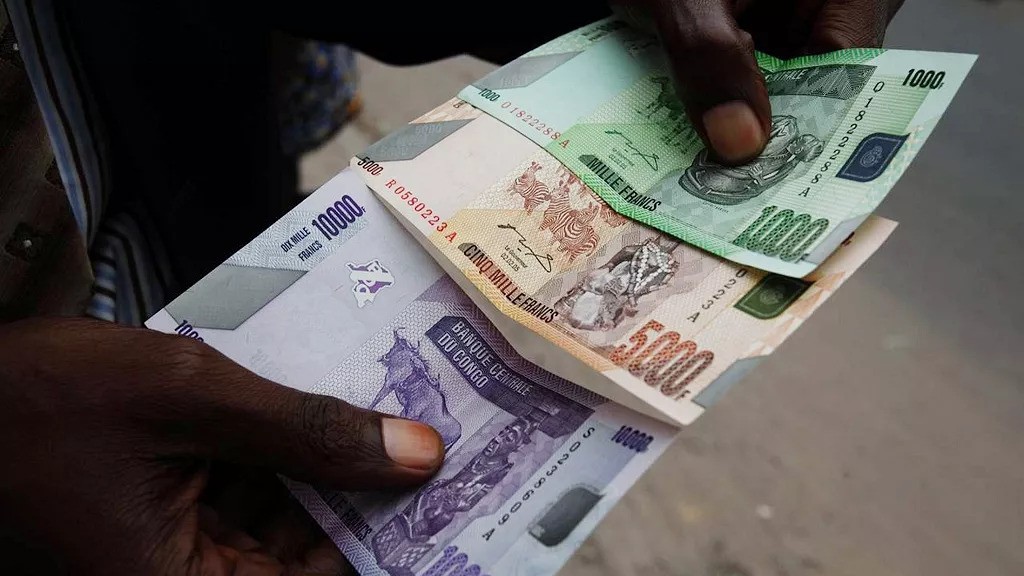
The introduction of mobile banking in the Democratic Republic of Congo has brought about a significant transformation in the way civil servants receive their salaries. For the first time, workers are receiving their full salaries on time, without greedy superiors dipping into their pay envelopes.
Mobile banking has circumvented the corrupt practice of superiors taking a cut of their subordinates' salaries, leaving them with only a fraction of their earnings. According to Hassan Wazni, Managing Director at Sofibanque, civil servants are often surprised to see their actual salaries when they receive their first mobile banking payment.
The introduction of mobile banking represents a minor revolution in the impoverished central African country. It comes about a year after Prime Minister Augustin Matata Ponyo vowed to end the practice of paying state workers in cash. With an average annual revenue of $240 per person, most Congolese had never visited a bank before, let alone had an account.
Mobile banking has been made possible through a partnership between banks and mobile operators. Clients can pay bills, make deposits, or conduct other transactions via text messages, without the need for smartphones. Many shops, even in rural areas, have the equipment to facilitate mobile banking transactions.
The government's push to provide mobile banking accounts to civil servants has led to a significant increase in financial inclusion. In 2012, only 2 percent of Congo's 75 million population had bank accounts, but that number has now risen to 5.7 percent.
Mobile banking is expected to reduce corruption, which has long plagued the country's payment system. According to the head of a non-governmental organisation, it was common for state workers and soldiers to end up with only a fraction of their salaries after they had passed down the hierarchy.
The switch to mobile banking has also helped rid out "ghost workers," or fictive people who have been added to the payroll so officials could pocket extra cash. The savings from reducing corruption are expected to be significant, with the government set to benefit from the increased transparency and efficiency of the mobile banking system.
Civil servants are now waiting impatiently for pay raises, which they believe are long overdue. Godefroid Sizindi, a teacher and labour union activist, said that the government's savings from reducing corruption should be used to raise the salaries of state employees.