Moldova's Parliament Adopts 35 Normative Acts in March
-
 Loading...
 - Jorge Mendez
- 02 Apr 2025
- 29 Views
- 0 Like
- 0 Comment
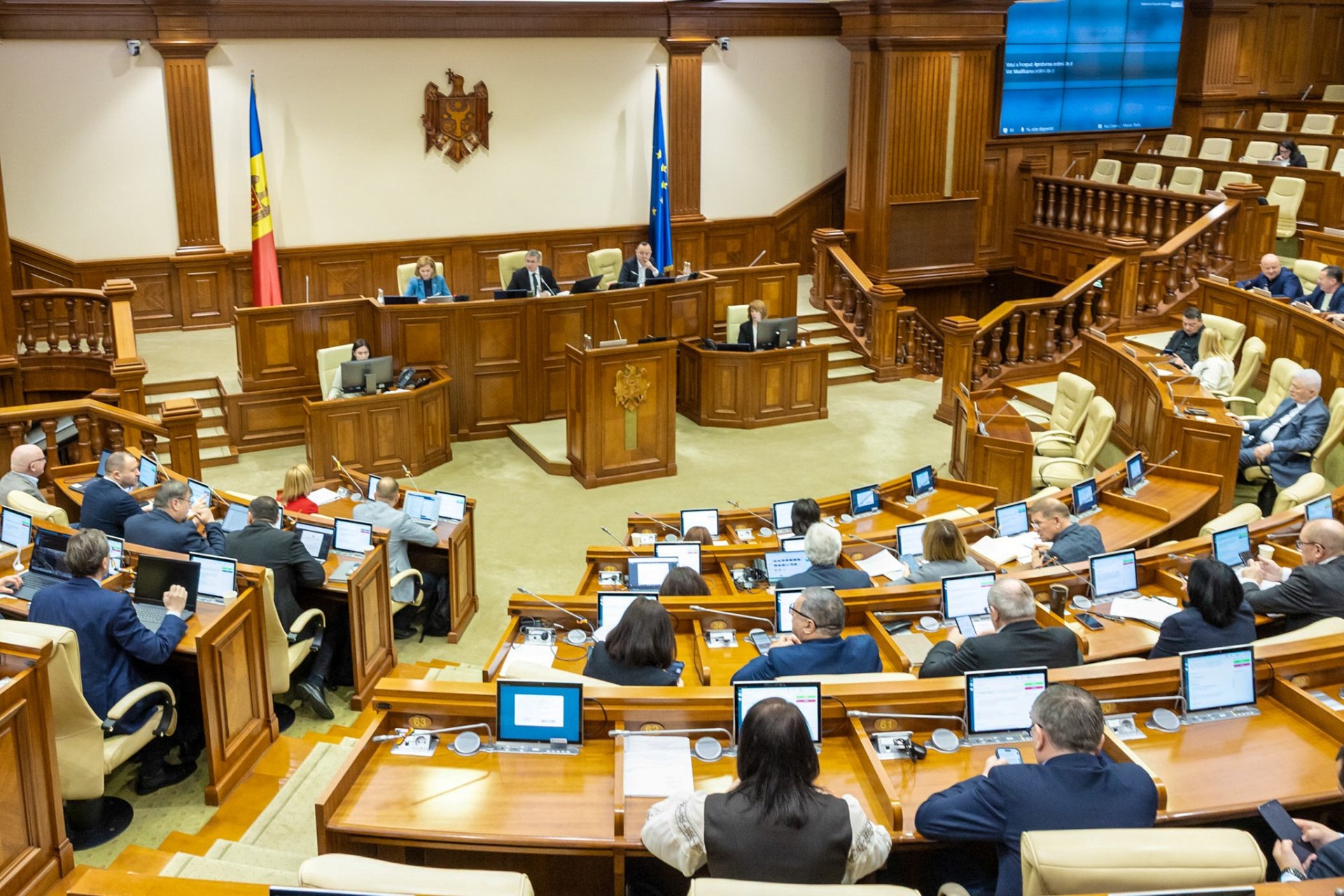
In March, Moldova's parliament made significant strides by adopting 35 normative acts during four plenary meetings. This legislative session included the approval of five normative acts, comprising 33 laws and two resolutions, reflecting the government's commitment to addressing various social and economic issues.
Among the most notable decisions was the approval of a 10% increase in pensions, aimed at improving the financial well-being of retirees. Additionally, a one-time assistance payment of 30,000 lei was granted to World War II veterans, recognizing their service and sacrifices. The parliament also established regulations allowing consumers connected to the centralized heating system to individually regulate their housing temperature, enhancing comfort and energy efficiency.
In a move to improve public safety, the introduction of SMS alerts for emergencies was approved. Furthermore, the parliament supported the detachment of Moldovan officials to the European Commission to gain experience in the EU accession process, demonstrating a commitment to aligning with European standards. Another important decision was the simultaneous provision of disability allowances and survivor's pensions to children and persons with disabilities from childhood, ensuring better support for vulnerable populations.
Additionally, the parliament ratified the Agreement with the European Union on participation in the Citizens, Equality, Rights and Values Program (2021 – 2027). This program aims to promote human rights, gender equality, and citizen involvement in the EU's democratic processes, as well as combat violence, including gender-based violence.
Throughout March, parliamentary committees were active, holding 44 meetings where they approved numerous reports and opinions. This level of engagement underscores the parliament's dedication to thorough legislative review and oversight.
Overall, the actions taken by Moldova's parliament in March reflect a proactive approach to addressing key social issues, enhancing public safety, and strengthening ties with the European Union, which are crucial for the country's ongoing efforts toward reform and integration into European structures.