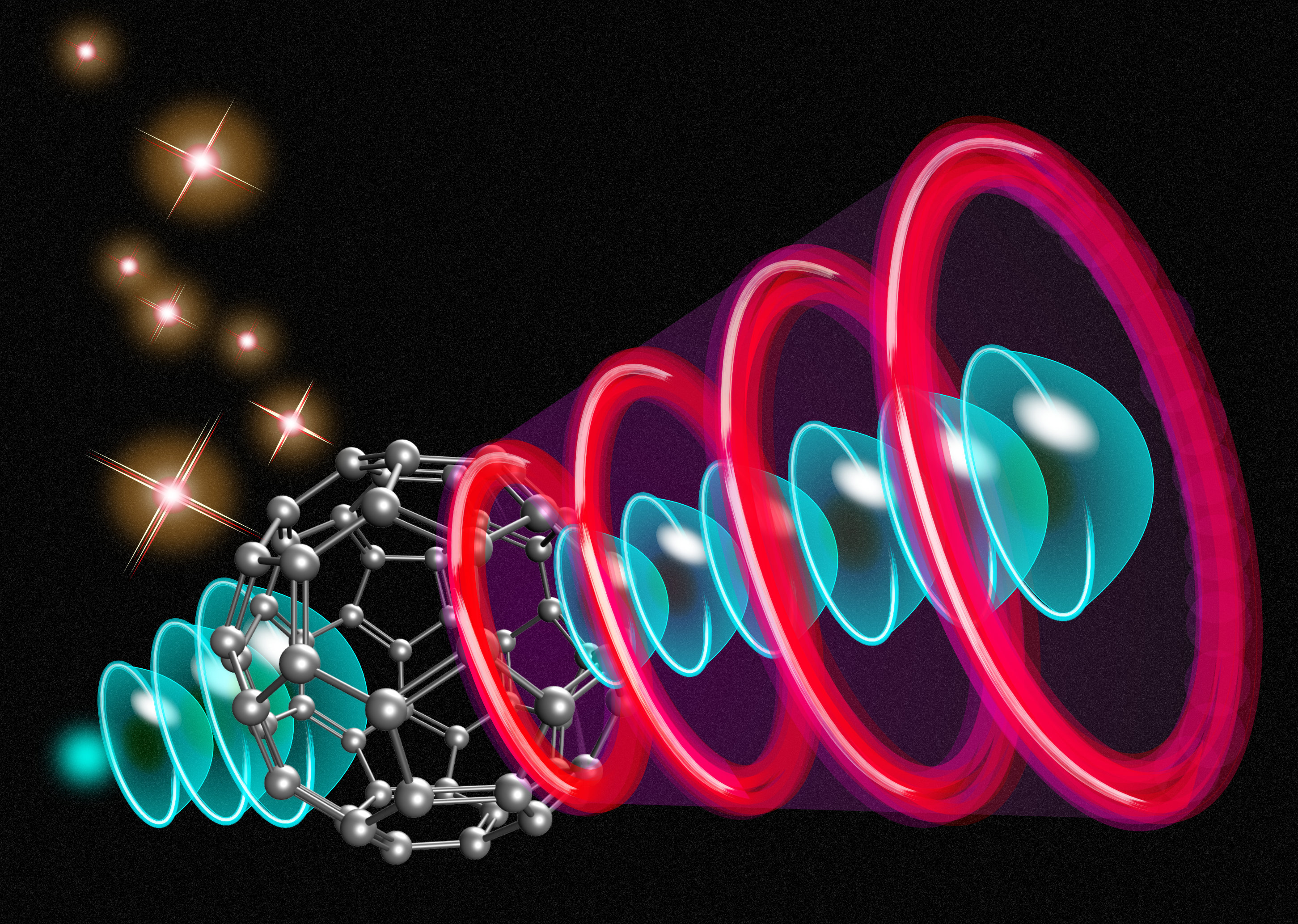
Molecular-Orbital Electron Sources
-
 Loading...
 - Adjua Ansah
- 17 May 2023
- 72 Views
- 0 Like
- 0 Comment
Molecular-Orbital Electron Sources have emerged as a groundbreaking technology in the field of electron generation. With their unique capabilities and wide-ranging applications, these sources are revolutionizing various industries, from materials science to electronics. In this article, we delve into the fascinating world of Molecular-Orbital Electron Sources, exploring their mechanisms, benefits, and the numerous ways they are shaping the future. Let's embark on this illuminating journey together.
Electron generation lies at the heart of numerous technological advancements, from semiconductor devices to analytical instruments. Molecular-Orbital Electron Sources harness the power of molecular orbitals to efficiently generate and manipulate electrons. By utilizing this innovative approach, these sources provide a range of benefits, such as enhanced stability, precise control, and high electron yield.
How do Molecular-Orbital Electron Sources Work?
To comprehend the inner workings of Molecular-Orbital Electron Sources, we must first understand the concept of molecular orbitals. These are mathematical functions that describe the distribution of electrons in molecules. Molecular-Orbital Electron Sources employ various techniques, such as field emission, thermionic emission, and photoemission, to manipulate these molecular orbitals and extract electrons with exceptional efficiency.
Applications of Molecular-Orbital Electron Sources
Molecular-Orbital Electron Sources have found applications in diverse fields, driving innovation and enabling new possibilities. Let's explore some key areas where these sources are making significant contributions:
Materials Science: The precise control and high electron yield of Molecular-Orbital Electron Sources make them invaluable tools for materials characterization, surface analysis, and nanofabrication processes. They are instrumental in studying the properties of materials at the atomic and molecular levels, leading to advancements in the development of novel materials with enhanced properties.
Electronics and Semiconductor Industry: Molecular-Orbital Electron Sources play a crucial role in the fabrication and characterization of semiconductor devices. They enable the precise imaging and analysis of nanostructures, aiding in the advancement of integrated circuits and electronic components. Additionally, these sources are used in electron microscopy, enabling high-resolution imaging for research and development purposes.
Energy and Environmental Research: Molecular-Orbital Electron Sources contribute to the exploration of renewable energy sources and environmental conservation. They facilitate the investigation of catalysts for energy conversion processes, such as fuel cells and solar cells, ultimately leading to the development of more efficient and sustainable energy technologies.
Biomedical Applications: Molecular-Orbital Electron Sources are vital in the field of biomedicine, enabling the visualization and analysis of biological samples at the nanoscale. They support research in areas such as drug delivery systems, tissue engineering, and disease diagnostics, paving the way for advancements in healthcare and biomedical sciences.
Advantages of Molecular-Orbital Electron Sources
Molecular-Orbital Electron Sources offer a multitude of advantages over traditional electron generation methods. Let's explore some of these benefits:
- Enhanced Stability: Molecular-Orbital Electron Sources provide superior stability and reliability, ensuring consistent electron generation for prolonged periods.
- Precise Control: These sources offer precise control over electron beams, enabling fine-tuning and manipulation for specific applications.
- High Electron Yield: Molecular-Orbital Electron Sources achieve high electron yield, resulting in higher efficiency and productivity in electron-based processes.
- Versatility: Molecular-Orbital Electron Sources can be adapted for various experimental setups and configurations, making them versatile tools for different research and industrial needs.
- Reduced Contamination: These sources minimize contamination risks by utilizing cleaner electron generation techniques, ensuring the integrity and purity of experimental samples.
Frequently Asked Questions about Molecular-Orbital Electron Sources
Q: How do Molecular-Orbital Electron Sources differ from traditional electron sources?
- A: Molecular-Orbital Electron Sources utilize molecular orbitals to generate and manipulate electrons, offering enhanced stability, precise control, and high electron yield compared to traditional sources.
Q: Can Molecular-Orbital Electron Sources be used in electron microscopy?
- A: Yes, Molecular-Orbital Electron Sources are widely used in electron microscopy, enabling high-resolution imaging and analysis of nanostructures and biological samples.
Q: Are Molecular-Orbital Electron Sources suitable for industrial applications?
- A: Absolutely! Molecular-Orbital Electron Sources find applications in various industries, including materials science, electronics, energy research, and biomedical sciences, offering unique capabilities and advantages for industrial processes and product development.
Q: What are the main advantages of using Molecular-Orbital Electron Sources in materials characterization?
- A: Molecular-Orbital Electron Sources provide precise control and high electron yield, enabling accurate characterization of materials at the atomic and molecular levels. They contribute to advancements in nanofabrication, surface analysis, and the development of novel materials.
Q: Can Molecular-Orbital Electron Sources be used in renewable energy research?
- A: Yes, Molecular-Orbital Electron Sources play a vital role in renewable energy research. They facilitate the study of catalysts and materials for energy conversion processes, such as fuel cells and solar cells, contributing to the development of more efficient and sustainable energy technologies.
Q: How can Molecular-Orbital Electron Sources benefit biomedical research?
- A: Molecular-Orbital Electron Sources enable high-resolution imaging and analysis of biological samples, supporting research in drug delivery systems, tissue engineering, and disease diagnostics. They contribute to advancements in healthcare and biomedical sciences.
Molecular-Orbital Electron Sources have emerged as a game-changing technology in the field of electron generation. With their unique capabilities, including enhanced stability, precise control, and high electron yield, these sources are driving advancements in various industries, from materials science to biomedicine. The applications of Molecular-Orbital Electron Sources are vast and diverse, enabling researchers and innovators to explore new frontiers and push the boundaries of scientific knowledge.
As the demand for more efficient and precise electron generation continues to grow, Molecular-Orbital Electron Sources are poised to play an increasingly significant role in shaping the future of technology and scientific discovery. Embracing this revolutionary technology opens doors to unprecedented possibilities and empowers us to unlock the full potential of electrons.