Moroccan Culinary Arts Museum: A Culinary Journey Beyond Couscous and Tagine
-
 Loading...
 - Matilde Bizzaro
- 26 Jul 2024
- 62 Views
- 0 Like
- 0 Comment
So much more than couscous and tagine served in a cylindrical pot, Moroccan cuisine is a fusion of Arab, Amazigh (Berber), Mediterranean, and French influences, among others. Located in the heart of the bustling old city of Marrakech, the Moroccan Culinary Arts Museum is not only a showcase of Moorish architecture but also dedicated to preserving the country's culinary heritage. After opening and closing amid the pandemic and last year’s earthquake, it reopened in June.
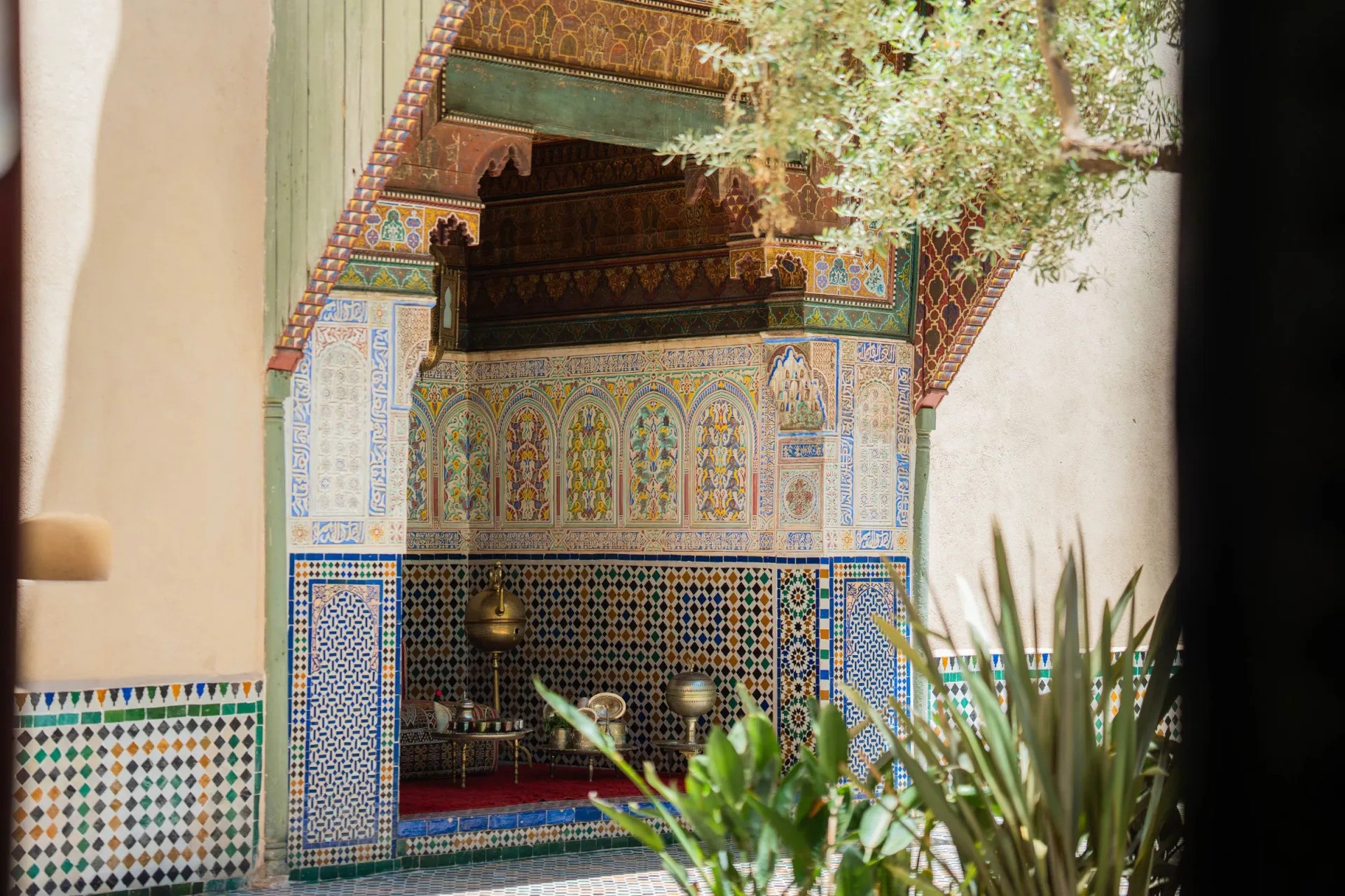
Upon entering the 53,800-square-foot renovated riad, visitors escape the heat and noise of the medina’s narrow alleys and find themselves in an 18th-century palace decked out with mosaic tiles, sculpted plaster, and hand-painted cedar ceilings. Here they learn about traditional tableware and décor, cooking techniques such as hand-rolling couscous, and how to prepare dishes ranging from tafarnout (flatbread) to delicious kaab lghzal (gazelle horns), a dessert filled with ground almonds and served during the tea ceremony.
The museum itself is a marvel of Moorish architecture, offering a visual feast with its intricate design. The mosaic tiles, sculpted plaster, and hand-painted cedar ceilings transport visitors back in time, providing a rich backdrop to the culinary exhibits.
One of the highlights of the museum is the demonstration of traditional cooking techniques. Visitors can watch and even participate in hand-rolling couscous, an art that has been perfected over generations. This interactive experience provides a deeper appreciation for the skill and effort that goes into Moroccan cooking.
The museum’s exhibits cover a wide range of Moroccan dishes. From the preparation of tafarnout, a traditional flatbread, to the creation of kaab lghzal, visitors can learn the secrets behind some of Morocco’s most beloved recipes. The detailed explanations and live demonstrations by traditional cooks, known as dadas, offer invaluable insights into the country’s culinary traditions.
After exploring the exhibits, visitors can head to the rooftop restaurant for a delightful culinary experience. Offering lunch, coffee, tea, and pastries, the restaurant provides a panoramic view of the old city and the 12th-century Koutoubia mosque. This serene setting is the perfect place to savor the flavors of Morocco while enjoying the stunning vista.
The museum shop is a treasure trove for food enthusiasts. It sells traditional kitchenware and a variety of spices, including ras el hanout, a complex blend of spices essential to Moroccan cooking. Visitors can take home a piece of Moroccan culinary heritage and try their hand at recreating the dishes they’ve learned about.
For those who want to dive deeper into Moroccan cuisine, the museum offers cooking classes in a modern kitchen studio. These classes, led by a dada, cover the preparation of iconic dishes like chicken tagine and zaalouk, a salad of cooked eggplant and tomatoes. Participants not only learn the recipes but also the cultural significance of the dishes.
The Moroccan Culinary Arts Museum is more than just a museum; it’s a journey through the rich culinary history of Morocco. From its stunning architecture to its interactive exhibits and rooftop dining, the museum offers a comprehensive and immersive experience. Whether you're a food lover, a history buff, or simply looking for a unique cultural experience, this museum is a must-visit in Marrakech.