Morocco to Expand English and Amazigh Education
-
 Loading...
 - Layla Mido
- 05 Jul 2024
- 74 Views
- 0 Like
- 0 Comment
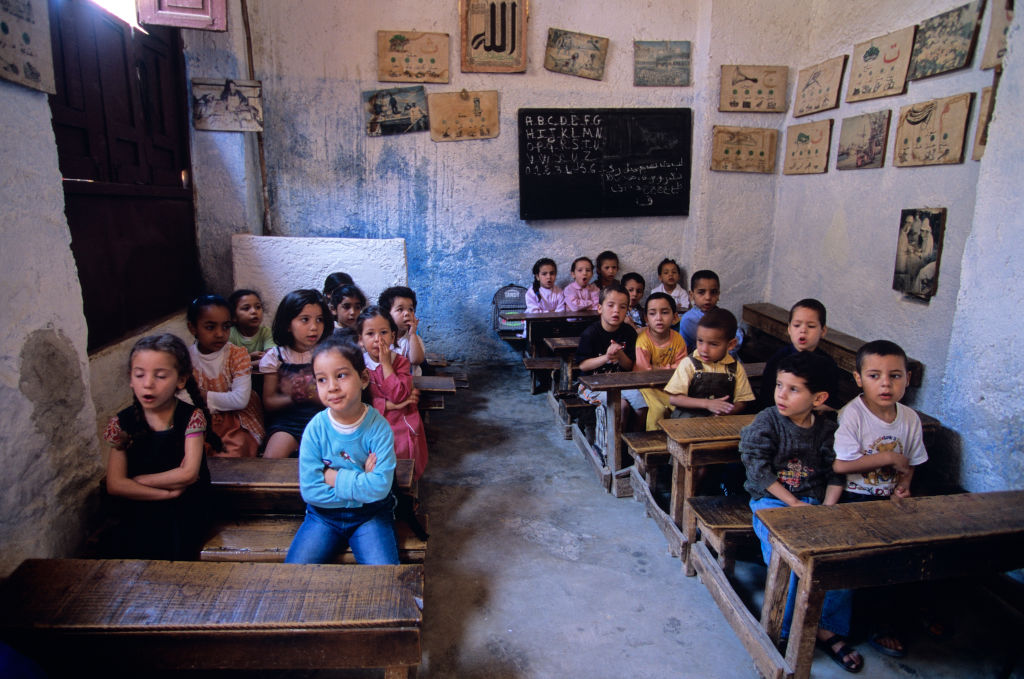
Morocco is poised to make significant strides in its educational landscape with the upcoming academic season, marking a pivotal moment in language education. The Ministry of National Education, Primary Education, and Sports has announced a comprehensive plan for the 2024-2025 academic year, focusing on the expansion of English and Amazigh language instruction. This initiative aims to enhance linguistic diversity and cultural preservation, reflecting Morocco's commitment to inclusive education and global integration.
The journey of language education in Morocco has been shaped by its rich cultural tapestry and evolving educational reforms. Historically, the education system emphasized Arabic and French, reflecting colonial influences and post-independence policies. However, the recognition of Amazigh culture in recent years has catalyzed efforts to integrate the Amazigh language into the curriculum. This shift underscores a broader movement towards acknowledging and preserving Morocco's indigenous heritage.
Current Education System
Morocco's education system is structured into various levels, including primary, secondary, and tertiary education. Language instruction currently prioritizes Arabic and French, with English gaining prominence in recent years. Despite these advancements, the inclusion of Amazigh remains limited, necessitating targeted reforms to achieve broader coverage and accessibility.
Ministry's New Initiatives
The Ministry's new initiatives are ambitious, aiming to expand English language education to encompass 100% of the second year of education and 50% of preparatory education. Simultaneously, the introduction of Amazigh language instruction in primary schools is set to commence in the 2023/2024 academic year, with full implementation by 2029/2030. To support these efforts, the ministry plans to recruit 600 specialized professors for Amazigh language instruction and annually train at least 2,000 dual-discipline teachers.
Implementation Timeline
The implementation timeline outlines a phased approach, starting with the 2023/2024 academic year. The plan includes expanding English language teaching and introducing Amazigh language instruction in selected primary schools. By the 2029/2030 school year, the ministry aims for full implementation, ensuring that students across Morocco benefit from this linguistic expansion.
Organizational Strategy
The organizational strategy encompasses efforts at central, regional, provincial, and local levels. This multi-tiered approach ensures that all stakeholders are engaged in the process, from policymakers to educators and community leaders. Pedagogical and administrative adjustments will be made to support the effective rollout of these initiatives, accompanied by robust support mechanisms for teachers and students.
Educational Institutions Involved
A significant number of educational institutions are set to participate in this expansion. The ministry aims to increase the number of schools offering Amazigh language courses, targeting a 50% coverage rate by the 2025-2026 school year. Concurrently, the expansion of English language education will involve numerous preparatory and secondary schools, ensuring widespread access to enhanced language instruction.
Teacher Recruitment and Training
To achieve these ambitious goals, the ministry will recruit 600 specialized professors for Amazigh language instruction and train at least 2,000 dual-discipline teachers annually. These teachers will undergo professional development programs to equip them with the necessary skills and knowledge to effectively teach these languages. This investment in human resources is crucial for the success of the language expansion initiative.
Curriculum Development
Developing an inclusive curriculum is a cornerstone of this initiative. The curriculum will be designed to integrate cultural and historical content, fostering a deeper understanding of Morocco's linguistic heritage. Language proficiency goals will be established to ensure that students achieve the desired levels of competence in both English and Amazigh.
Student Engagement
Engaging students in language learning is essential for the success of this initiative. The ministry will implement various strategies to encourage student interest in English and Amazigh, including extracurricular activities, language clubs, and community involvement. Parents and community members will also play a crucial role in supporting and promoting language education.
Technological Integration
The integration of technology into language education will be a key component of the ministry's strategy. Digital tools, online resources, and educational platforms will be utilized to enhance learning outcomes and provide students with additional support. The impact of technology on language education will be continuously assessed to ensure its effectiveness.
Challenges and Solutions
While the expansion of language education is promising, it comes with challenges. Potential barriers include resource limitations, resistance to change, and ensuring equitable access to education. The ministry will address these challenges through strategic planning, resource allocation, and community engagement to ensure the successful implementation of the initiatives.
Impact on Students
Bilingual and multilingual education offers numerous benefits for students, including academic and cognitive advantages. Proficiency in multiple languages can enhance problem-solving skills, creativity, and critical thinking. Moreover, these language skills will improve students' long-term career prospects, opening up opportunities in various fields.
Cultural Significance
The expansion of Amazigh language education is not just an educational reform; it is a cultural imperative. Preserving the Amazigh language and heritage is crucial for enhancing cultural awareness and identity among Moroccan students. This initiative promotes linguistic diversity and fosters a sense of pride in Morocco's rich cultural heritage.
International Perspectives
Morocco's approach to language education aligns with global trends emphasizing the importance of multilingualism. Many countries have adopted policies to promote bilingual and multilingual education, recognizing the cognitive and economic benefits. International support and collaborations will further enhance Morocco's efforts to expand English and Amazigh language education.
Community Involvement
Local communities will play a pivotal role in the successful implementation of the language expansion initiatives. Collaboration with cultural organizations and community-based language programs will support the ministry's efforts. Community involvement will ensure that the initiatives are culturally relevant and widely accepted.
Monitoring and Evaluation
Regular monitoring and evaluation are essential to assess the progress of the language expansion initiatives. The ministry will implement robust methods for collecting data, reporting progress, and gathering feedback. These evaluations will inform necessary adjustments to ensure the initiatives' ongoing success.
Case Studies
Success stories from early adopters will provide valuable insights into the impact of the language expansion initiatives. Case studies from specific schools or regions will highlight the benefits and challenges encountered, offering lessons for broader implementation. Testimonials from students and teachers will showcase the real-life implications of these reforms.
Expert Insights
Education experts, linguists, and cultural historians will provide valuable perspectives on the language expansion initiatives. Their insights will inform policy recommendations and highlight best practices. Expert opinions will underscore the importance of these reforms and their potential to transform Morocco's educational landscape.