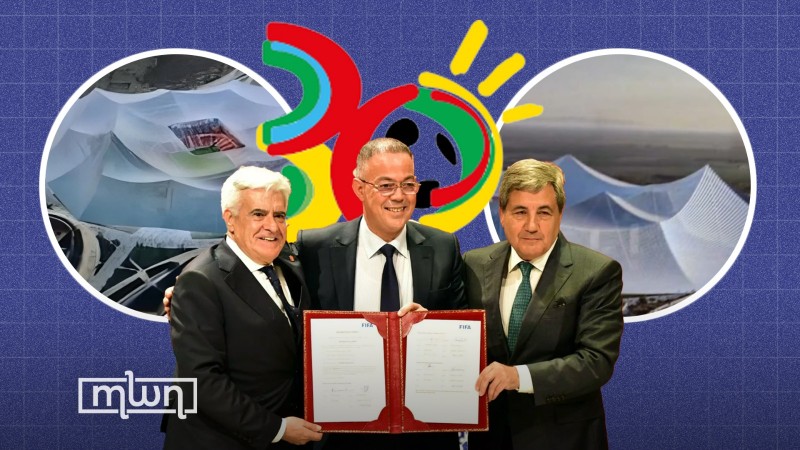
Morocco Unveils Design of Casablanca Stadium Vying to Host 2030 World Cup Final
-
 Loading...
 - Maria Bost
- 05 Jul 2024
- 64 Views
- 0 Like
- 0 Comment
Morocco has taken a significant step towards hosting the 2030 FIFA World Cup final by unveiling the design of the Grand Stade Hassan II in Casablanca. Named in honor of King Hassan II, who played a pivotal role in shaping modern Morocco, this ambitious project is part of Morocco's joint bid with Spain and Portugal to host the prestigious tournament. The stadium, designed by the renowned British architectural firm Populous, is set to become a symbol of Morocco's aspirations and capabilities on the global stage.
Overview of the Grand Stade Hassan II
The Grand Stade Hassan II is a colossal 115,000-seat stadium designed to host the final of the 2030 FIFA World Cup. Located in Casablanca, this state-of-the-art venue embodies Morocco's grand vision for the tournament. The design draws inspiration from traditional Moroccan "mussem" social gatherings, featuring a large tent-like roof that covers the stands, providing both aesthetic appeal and practical benefits for spectators.
Key Features and Design Elements
- Seating Capacity: With a seating capacity of 115,000, the Grand Stade Hassan II is poised to become the largest football stadium in history.
- Architectural Design: The stadium's design incorporates elements of Moroccan culture, with a modern twist that reflects the nation's ambitions.
- Facilities: The complex will include auxiliary facilities for athletes, officials, operators, organizers, and spectators, ensuring a comprehensive and world-class experience for all attendees.
Construction and Budget
Construction of the stadium is set to begin in August 2024, with an expected completion date in 2028. The project is estimated to cost MAD 5 billion (approximately $500 million). The 100-hectare site allows for potential future expansion or remodeling, demonstrating Morocco's long-term vision for the venue.
Strategic Importance
The unveiling of the Grand Stade Hassan II is a strategic move by Morocco to bolster its bid for the 2030 FIFA World Cup. Despite reports from Spanish newspaper Marca suggesting that FIFA has already decided to hold the final at Real Madrid's Santiago Bernabéu stadium, Morocco remains confident in its ability to secure the final with its state-of-the-art Casablanca venue.
Joint Bid with Spain and Portugal
Morocco joined Spain and Portugal's bid for the 2030 World Cup last year, replacing Ukraine. The North African nation has been proactive in its efforts, even releasing an initial bid logo. FIFA recently confirmed that Spain will host matches in eleven cities, Morocco in six, and Portugal in three, though stadium and final match details have yet to be finalized.
Potential Challenges and Future Prospects
While Morocco's bid faces competition, the country's determination and strategic planning are evident in its ambitious projects and proactive approach. The Grand Stade Hassan II stands as a testament to Morocco's commitment to playing a leading role in the 2030 World Cup. As preparations advance, more details on the roles and responsibilities of the three co-hosts are expected to emerge, leading up to FIFA's decision on the winning bid in December 2024.
The unveiling of the Grand Stade Hassan II in Casablanca marks a significant milestone in Morocco's journey towards hosting the 2030 FIFA World Cup final. With its impressive design, massive seating capacity, and strategic importance, the stadium embodies Morocco's grand aspirations and commitment to excellence. As the competition for hosting the final heats up, Morocco's state-of-the-art venue stands as a strong contender, reflecting the nation's ambition to make a lasting mark on the global stage.