Mortgages for foreign nationals in ecuador
-
 Loading...
 - Jakov Saric
- 03 Aug 2022
- 253 Views
- 0 Like
- 0 Comment
Renting property
If you know where abouts in Ecuador you would like to live, you can walk around the local area looking for signs with ‘Se Alquila or ’Se Arrienda’ written on them – these both mean ‘To Rent.’ These signs will likely include telephone numbers, which you can call to make enquiries. Most person-to-person business in Ecuador is conducted in Spanish, so if your grasp of the language is not strong, you may want to find a local translator. You can also search for properties in local newspapers.There are various websites available that may be able to help you find your ideal home. For example:
• Gringo Post
• Gringo Tree
• Puntosur Propiedades
Typical lease terms
You will probably need to put down a deposit on any property you decide to rent. You may also be asked for a month’s rent in advance, which may count towards your first or your last month’s payment.
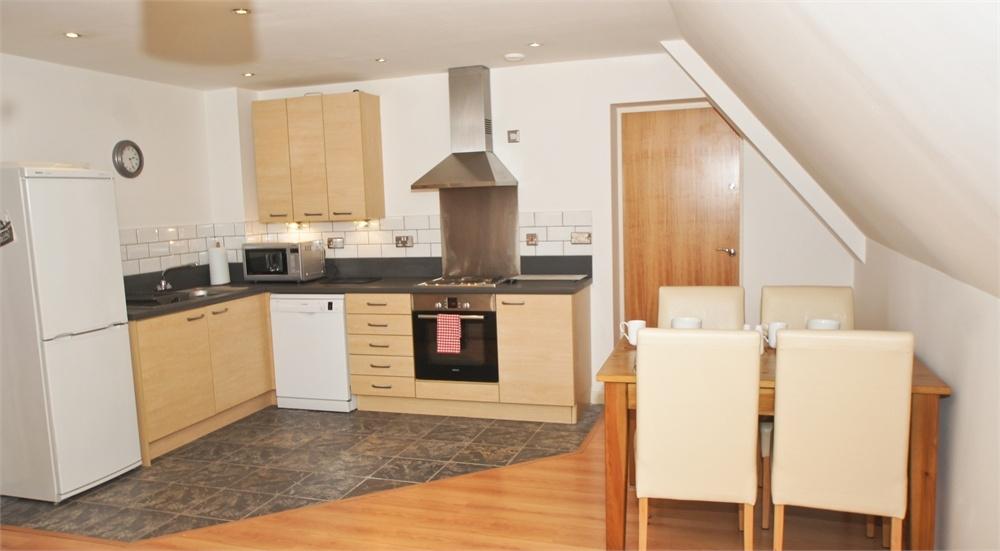
Most properties will come unfurnished, which not only means that they contain no furniture, but also that they have no kitchen appliances – not even a fridge or an oven. You will therefore need to factor this into your budget.
Typical rental prices in major expat destinations
Quito, the capital, has a wide range of rental options, depending on which neighbourhood you would like to live in. A two-bedroom apartment in Carcelen may cost around $300 per month. A four-bedroom apartment in the more upmarket Gonzalo Suarez might cost closer to $1,200 per month. Cuenca, in the south of the country, is much cheaper, and a family home there can be rented for around $300 per month.
Specific advice for expats
Never send money to reserve an unseen property. The property will probably remain unseen, and you may not see your money again.
Written leases are not unknown, but are not standard either. Try to get your lease in writing, and translate it if you don’t speak fluent Spanish. Contracts in Ecuador are not binding unless they are witnessed by a notary (escribano), and you may want to hire your own solicitor to check it for you. This will cost extra, but you may be glad of it in the long run.
Before signing anything or moving in, check the property for problems, such as existing cracks and breakages, and make sure these are noted in writing. Also, establish exactly who is going to deal with them.
Central heating is rare, but given the average Ecuadorian altitude – 1,000 metres – heating is needed. Many properties are heated by propane. The landlord may provide the water heater equipment, but you must hire the cylinders.
Contracts in Ecuador are not binding unless they are witnessed by a notary (escribano).
Buying property
Legal restrictions on foreign ownership
Ecuador has no outright restrictions on foreign ownership of property, but permission may be needed within 50 km of the country’s borders or coastline (your solicitor should be able to advise you on this). Permission is usually granted when applied for, but it is not automatic.
If you purchase property for $25,000 or more in Ecuador, you are automatically given a residency visa, once you have completed the necessary paperwork.
Typical house buying procedure
The process of buying a home in Ecuador is streamlined, and it usually takes less than a month from start to finish.
Once you have found the property you want, survey it to make sure you are satisfied. Local construction standards may not match your western expectations. Verify the person selling is entitled to do so, by asking to see their Cedula(ID card). Read More...