Mozambican climate scientist says women's contribution to climate change adaptation and mitigation in Africa is indispensable
-
 Loading...
 - Larbi Cudjoe
- 23 Aug 2022
- 61 Views
- 0 Like
- 0 Comment
Q: This year's International Women's Day’s theme was "gender equality today for a sustainable tomorrow." What are the challenges of climate change in Africa and how do you think you can contribute to providing solutions to those challenges?
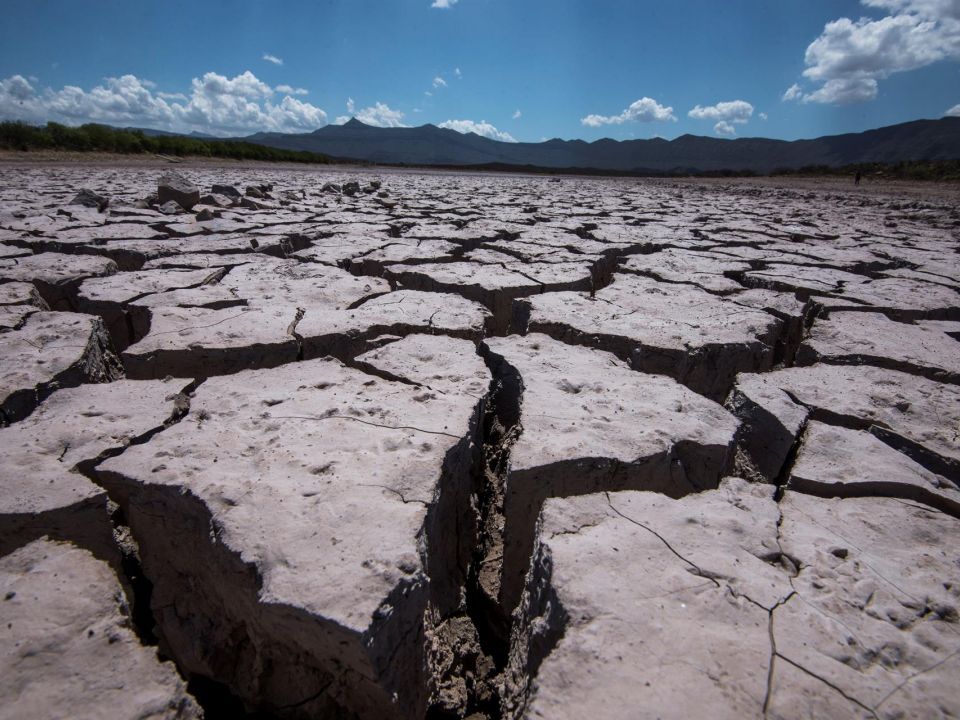
Hussein: One of the main challenges of climate change in Africa is increasingly intense and successive extreme events like cyclones, floods and droughts. There are also changes in weather variables, such as rising temperatures and changes in precipitation, and rising sea levels.
All of this has a direct impact on human life and well-being, and on the economies of countries. Climate change affects climate-sensitive sectors, such as agriculture, livestock, water resources, human health, infrastructure and the ecosystem.
I believe that a lot is being done to respond to Africa’s climate change challenges. In my opinion, we need to improve and seek functional strategies and policies to face climate change according to the reality of our continent.
As a professor and researcher at an academy, I believe it is important to create alliances between academies, decision-makers, and society in general, to support the creation and improvement - as well as the implementation of such strategies and policies. These strategies should provide for mitigation and adaptation to climate change in a manner applicable to Africa’s reality. This way, we would also be responding to the [United Nations] Sustainable Development Goals related to poverty, hunger, climate action and partnerships.
Q: Why have you chosen to study climate change when many young people go for what some may consider more "traditional" careers such as medicine, engineering, law, etc?
Hussein: Studying climate change is as challenging for me as studying other areas. My interest in climate science is based on understanding this phenomenon globally and particularly in Africa - given the continent's susceptibility to extreme weather events. Read More...