MPs Welcome Greater Use Of Green Energy And Hydrogen Strategy
-
 Loading...
 - Anton Maric
- 24 Mar 2022
- 378 Views
- 0 Like
- 0 Comment
Some opposition lawmakers warned of the commercial unprofitability of green hydrogen.
In recent years, Croatia has been making a great effort in decarbonising its energy sector and economy, its goal being to ensure that by 2030 at least 36.6 per cent of electricity consumption comes from renewable sources, said Ivo Milatić, state secretary at the Ministry of Economy.
A hydrogen-based economy is an important part of plans by EU member states towards a green energy transition, and the proposed strategy follows up on the EU hydrogen initiative, which Croatia signed in 2018, he said.
The proposal puts emphasis on renewable hydrogen, obtained by low-carbon emitting technologies. Some sectors of the Croatian economy have already expressed an interest in developing hydrogen technologies, which is why a government strategic document is needed to give direction to the development of hydrogen technologies, Milatić said.
Ljubica MaksimÄuk of the ruling Croatian Democratic Union (HDZ) was interested in whether Croatia was ready for the first phase of the strategy, from 2020 to 2024, which aims to ensure the production of one million tonnes of renewable hydrogen.
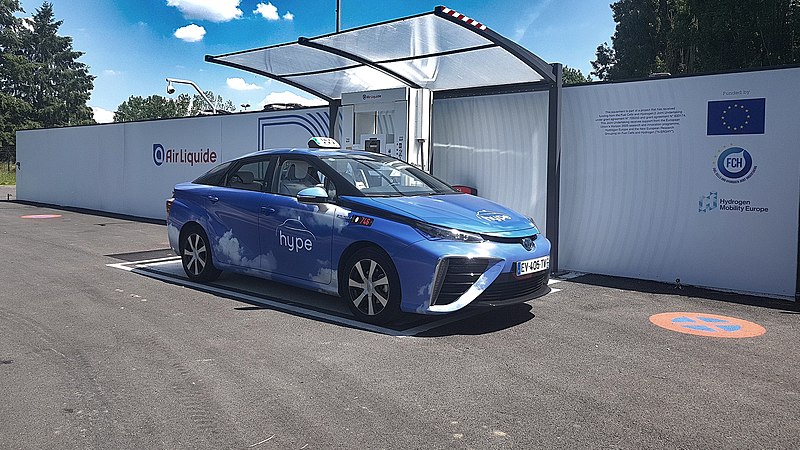
"Croatia is ready for this. Under the National Recovery Plan, we have undertaken to install 10 refuelling stations over the next three years and finance a certain number of electrolysers," Milatić said, adding that there was interest from hydrogen associations and private and public companies.
In response to a question put by Andreja Marić of the Social Democratic Party (SDP), Milatić said that 60 public transport buses in Zagreb would switch to hydrogen use and that a hydrogen refuelling station would be installed for that purpose.
Vesna VuÄemilović (Sovereignists) wanted to know why the proposed strategy gave priority to transport over industry and to green hydrogen, which she said would have to be subsidised because it was commercially unprofitable. Read More...