Home Upload Photo Upload Videos Write a Blog Analytics Messaging Streaming Create Adverts Creators Program
Bebuzee Afghanistan Bebuzee Albania Bebuzee Algeria Bebuzee Andorra Bebuzee Angola Bebuzee Antigua and Barbuda Bebuzee Argentina Bebuzee Armenia Bebuzee Australia Bebuzee Austria Bebuzee Azerbaijan Bebuzee Bahamas Bebuzee Bahrain Bebuzee Bangladesh Bebuzee Barbados Bebuzee Belarus Bebuzee Belgium Bebuzee Belize Bebuzee Benin Bebuzee Bhutan Bebuzee Bolivia Bebuzee Bosnia and Herzegovina Bebuzee Botswana Bebuzee Brazil Bebuzee Brunei Bebuzee Bulgaria Bebuzee Burkina Faso Bebuzee Burundi Bebuzee Cabo Verde Bebuzee Cambodia Bebuzee Cameroon Bebuzee Canada Bebuzee Central African Republic Bebuzee Chad Bebuzee Chile Bebuzee China Bebuzee Colombia Bebuzee Comoros Bebuzee Costa Rica Bebuzee Côte d'Ivoire Bebuzee Croatia Bebuzee Cuba Bebuzee Cyprus Bebuzee Czech Republic Bebuzee Democratic Republic of the Congo Bebuzee Denmark Bebuzee Djibouti Bebuzee Dominica Bebuzee Dominican Republic Bebuzee Ecuador Bebuzee Egypt Bebuzee El Salvador Bebuzee Equatorial Guinea Bebuzee Eritrea Bebuzee Estonia Bebuzee Eswatini Bebuzee Ethiopia Bebuzee Fiji Bebuzee Finland Bebuzee France Bebuzee Gabon Bebuzee Gambia Bebuzee Georgia Bebuzee Germany Bebuzee Ghana Bebuzee Greece Bebuzee Grenada Bebuzee Guatemala Bebuzee Guinea Bebuzee Guinea-Bissau Bebuzee Guyana Bebuzee Haiti Bebuzee Honduras Bebuzee Hong Kong Bebuzee Hungary Bebuzee Iceland Bebuzee India Bebuzee Indonesia Bebuzee Iran Bebuzee Iraq Bebuzee Ireland Bebuzee Israel Bebuzee Italy Bebuzee Jamaica Bebuzee Japan Bebuzee Jordan Bebuzee Kazakhstan Bebuzee Kenya Bebuzee Kiribati Bebuzee Kuwait Bebuzee Kyrgyzstan Bebuzee Laos Bebuzee Latvia Bebuzee Lebanon Bebuzee Lesotho Bebuzee Liberia Bebuzee Libya Bebuzee Liechtenstein Bebuzee Lithuania Bebuzee Luxembourg Bebuzee Madagascar Bebuzee Malawi Bebuzee Malaysia Bebuzee Maldives Bebuzee Mali Bebuzee Malta Bebuzee Marshall Islands Bebuzee Mauritania Bebuzee Mauritius Bebuzee Mexico Bebuzee Micronesia Bebuzee Moldova Bebuzee Monaco Bebuzee Mongolia Bebuzee Montenegro Bebuzee Morocco Bebuzee Mozambique Bebuzee Myanmar Bebuzee Namibia Bebuzee Nauru Bebuzee Nepal Bebuzee Netherlands Bebuzee New Zealand Bebuzee Nicaragua Bebuzee Niger Bebuzee Nigeria Bebuzee North Korea Bebuzee North Macedonia Bebuzee Norway Bebuzee Oman Bebuzee Pakistan Bebuzee Palau Bebuzee Panama Bebuzee Papua New Guinea Bebuzee Paraguay Bebuzee Peru Bebuzee Philippines Bebuzee Poland Bebuzee Portugal Bebuzee Qatar Bebuzee Republic of the Congo Bebuzee Romania Bebuzee Russia Bebuzee Rwanda Bebuzee Saint Kitts and Nevis Bebuzee Saint Lucia Bebuzee Saint Vincent and the Grenadines Bebuzee Samoa Bebuzee San Marino Bebuzee São Tomé and Príncipe Bebuzee Saudi Arabia Bebuzee Senegal Bebuzee Serbia Bebuzee Seychelles Bebuzee Sierra Leone Bebuzee Singapore Bebuzee Slovakia Bebuzee Slovenia Bebuzee Solomon Islands Bebuzee Somalia Bebuzee South Africa Bebuzee South Korea Bebuzee South Sudan Bebuzee Spain Bebuzee Sri Lanka Bebuzee Sudan Bebuzee Suriname Bebuzee Sweden Bebuzee Switzerland Bebuzee Syria Bebuzee Taiwan Bebuzee Tajikistan Bebuzee Tanzania Bebuzee Thailand Bebuzee Timor-Leste Bebuzee Togo Bebuzee Tonga Bebuzee Trinidad and Tobago Bebuzee Tunisia Bebuzee Turkey Bebuzee Turkmenistan Bebuzee Tuvalu Bebuzee Uganda Bebuzee Ukraine Bebuzee United Arab Emirates Bebuzee United Kingdom Bebuzee Uruguay Bebuzee Uzbekistan Bebuzee Vanuatu Bebuzee Venezuela Bebuzee Vietnam Bebuzee World Wide Bebuzee Yemen Bebuzee Zambia Bebuzee Zimbabwe
Blog Image

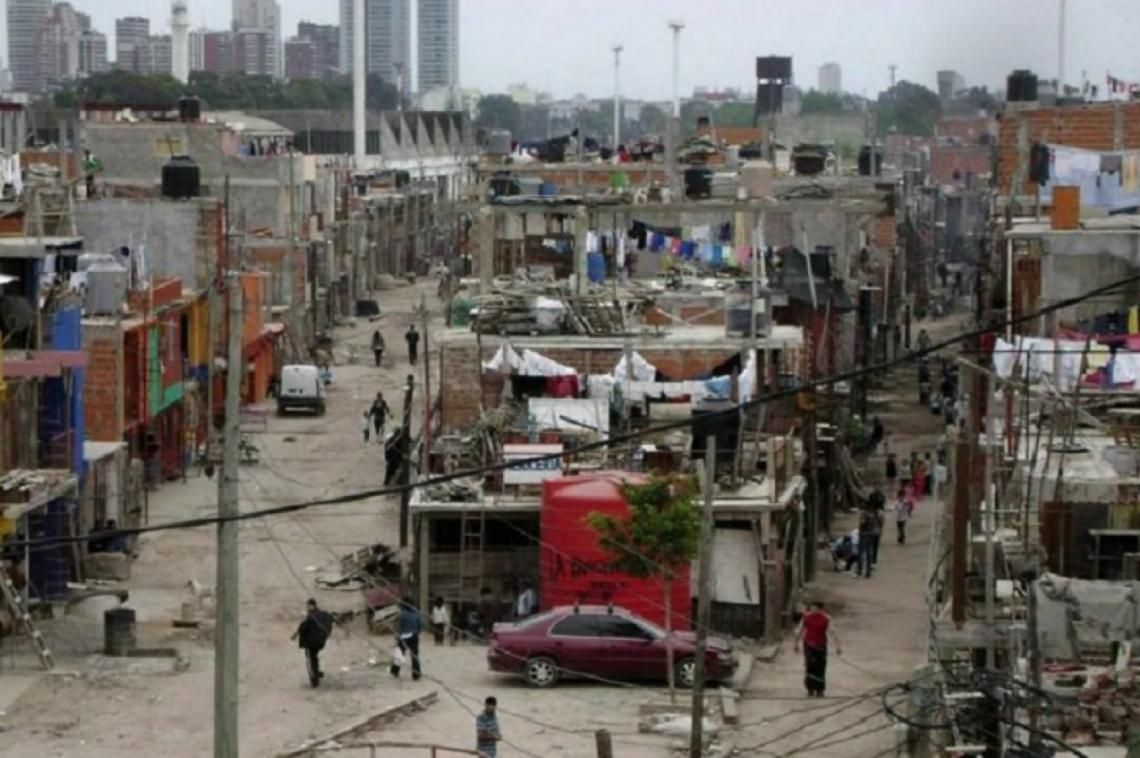
Multi dimensional poverty conditions affect 25 million Argentines, 54,9% of the population

Some 25 million Argentines, 54,9% of the whole population can be described as poor, following monetary criteria and simultaneously a multi-dimensional approach. This approach refers to such structural factors as housing, basic services, education, employment, and health attention.

The info was collected by the Social Policies Coordination Council, which depends from the Argentine presidency Office and is currently under the management of Paula Amaya.

“With the purpose of arriving at a multidimensional poverty index, based on rights, several indicators have been chosen which include the following dimensions, housing, habitat, basic services, employment and social and health protection. According to the official methodology, a house hold can be considered poor, from a multidimensional point of view, if it lacks two of the above mentioned dimensions.

In other words, ”the alternative measure of poverty takes into account the precariousness of housing materials, overcrowding, insecurity over housing ownership, deficient sanitary conditions, location of the abode in a vulnerable zone”

The indicator also takes into account, non attendance to an education establishment within the mandatory age, school lagging of children, insufficient educational achievement, plus difficulties to access a paid job, job precariousness for workers, deficit in social services coverage for adults and absence of coverage both for employment and health care.

The Council of Social Policies has pointed out that it does not replace the traditional poverty monetary index provided by the Argentine Stats Office, Indec, but rather it is a complementary indicator which looks to establish causes and extent of poverty so that the State can design different public policies from those that only take into account the monetary situation.

The last report to be released refers to the first half of last year, with 44,6% of the Argentines in a multidimensional poverty situation, which represents 35,9% of households, according to the Standing Household Poll.

And since the current index does not take into account the momentary side, the additional integrated method was added, which allows to interweave monetary poverty with multidimensional poverty. This method in the first half of 2021 shows that 54,9% of the Argentine population (44,6%) of households have at least two poverty situations, monetary and non monetary, while 29,9% have both (22,2%). This is how the number of 25 million Argentines in multi dimensional poverty is reached. Anyhow this methodology is relatively new and does not have sufficient previous reports to establish clear tendencies.

The last official Indec monetary model showed that 37,3% of the the population in Argentina, some 17,4 million, is considered poor, and 8,2% live in indigence. These percentages refer to the second half of 2021, so that main social indicators showed an improvement compared to the 42% poverty of 2020 and 40,6% of the first half of last year. Read More...

Previous Post

Bulgarians Celebrate St. George's Day

Next Post

Racism in Germany is part of everyday life

Comments