Namibian Food: 15 Popular & Traditional Dishes to Try
-
 Loading...
 - Calix Kallis
- 30 May 2022
- 316 Views
- 0 Like
- 0 Comment
Exotic meats, vibrant colors, and indigenous traditions all define Namibian food, one of Africa’s most diverse and unique cuisines.
Nambia is a proud and passionate nation, and that very much shows in the country’s food. There’s richness, heat, and plenty of flavors packed into a fascinating blend of indigenous dishes and European influence.
Gear up for a culinary journey of flair, heat, and awe, as a local writer shares 15 of Namibia’s most exciting and traditional dishes with us.
Namibian Food
1 – Oshithima (Maize or Mahangu Pap)
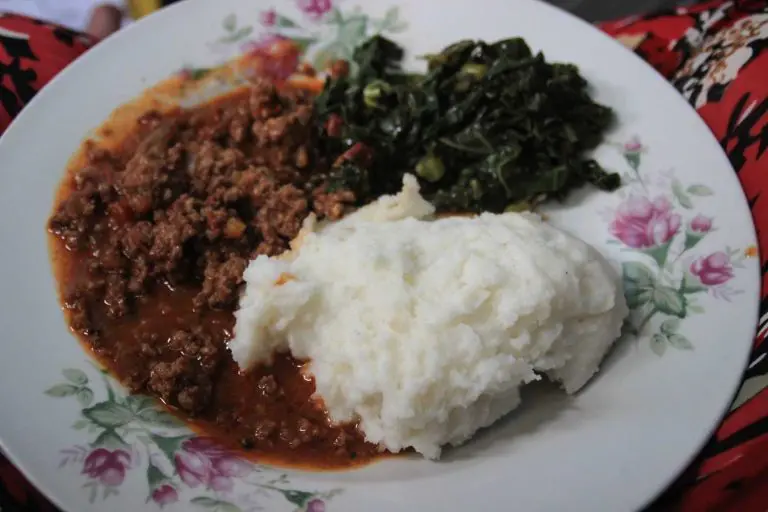
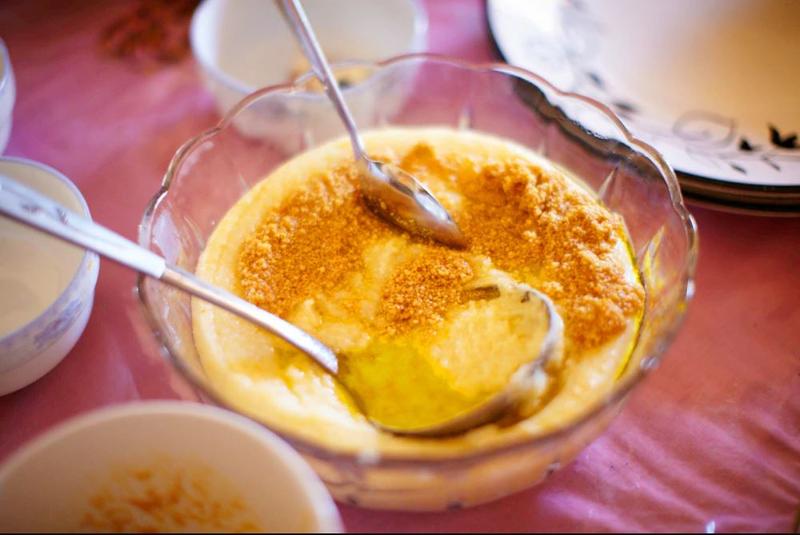
Mahangu Pap is a gluten-free porridge made from pearl millet flour. In some areas, people prefer it mixed with both Mahangu and millie/maize flour.
To prepare traditional pap, you first boil water in a large pot. Once boiling, add a thick paste of flour and water to the pot and stir until a thick texture is formed.
Finally, gradually add flour until the desired consistency is achieved.
This meal can be served with a variety of stews, including spinach and vegetable stew, beef stew, and even Kapana or Mopane worms.
Mahangu pap is a wholesome, filling dish, and one of the most important foods in Owambo life.
2 – Oodhingu (Dried Meat)
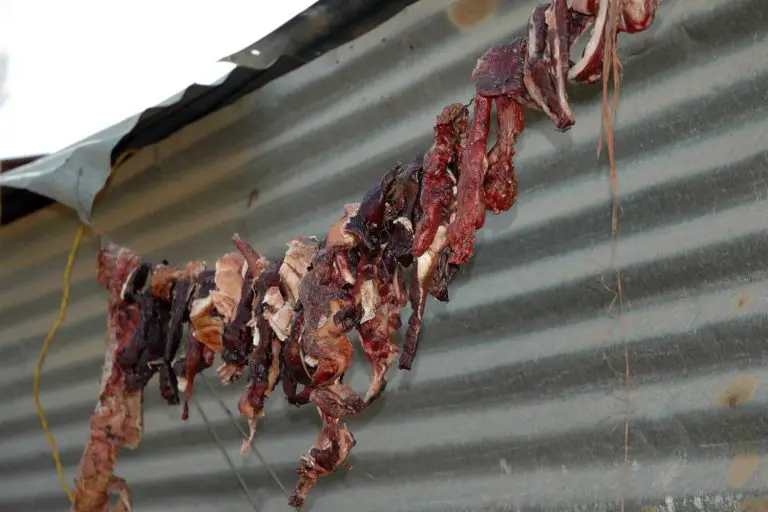
Oodhingu is a Namibian delicacy, initially a method of storing meat when refrigeration did not exist in the country.
Oodhingu can be made of a range of fresh meats, cut into long strips, hung out in the sun until visibly dry.
Before refrigeration, this was the most effective way to store meat for longer periods of time.
Popular dried meats in Namibia include goat, beef, or game, such as kudu and springbok.
Oodhingu is normally cooked seasoned with salt over an open fire. While eaten as dried meat, it’s also a popular ingredient in stews.
3 – Omboga (Dried Wild Spinach)
Indigenous to Southern African countries, Omboga is delicious wild spinach. It commonly grows in the Mahangu fields during rainy seasons.
As with drying meat, tribes and villages across Nambia used the same techniques to store other types of food for weeks or months at a time.
Namibian collect Omboga leaves and flowers from the fields. Once collected, the leaves are boiled, drained, and hung out in the sun to dry.
Once dried, the Ombaga are soaked in water, and then they are ready to be cooked.
Ombaga are cooked with cherry tomatoes, butter oil, chili, and seasonings, usually in a large pot over an open fire.
The resultant dish is rife with flavor and goodness! And, if you don’t want to do any cooking, you can safely eat Ombaga leaves raw.
4 – Omagungu (Mopane Worm)
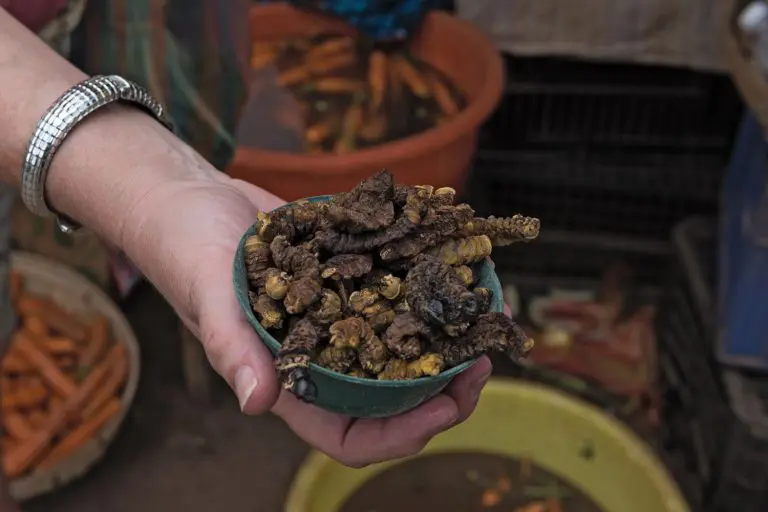
Are you feeling adventurous and want to try something out of your comfort zone?
Should you ever find yourself in Namibia, try out this bizarre snack that is popular in the southern African regions; Mopane worms.
Caterpillars are found and collected from mopane trees during the rainy seasons, hence the name mopane worms. They are an exotic and crispy delicacy.
To make this delicious dish, you first boil mopane worms in boiling water to soften them.
Once softened, the worms are traditionally pan-fried with tomatoes, onions, and chilies, until they are crispy.
Omagungu can be eaten as a starter, snack, or with pap. Some people, though, prefer mopane worms in a stew.
They are mostly found at open markets, or bought as street food and served the local way, on a piece of newspaper.
5 – Potjiekos
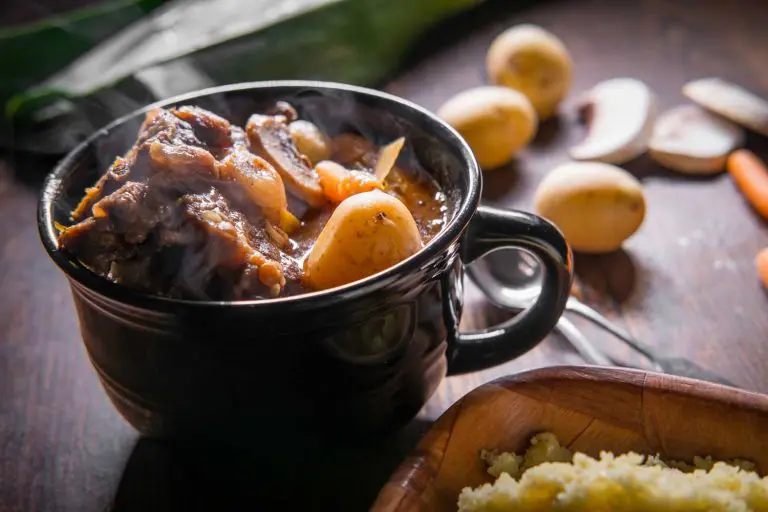
Potjiekos, literally translating to “small-pot food”, is a Dutch-influenced dish. It popular in South Africa, and it has also been adopted in Namibian cuisine.
This dish is popular at parties and picnics. It’s cooked outdoors on an open fire in an iron three-legged pot. This pot makes all the difference when it comes to this dish.
People come together to have a great time while waiting on a pot of Potjikos to cook with a couple of drinks. Read More...