Navigating the Complexities of Sickle Cell Disease
-
 Loading...
 - Petra Brandt
- 09 Jul 2024
- 327 Views
- 0 Like
- 0 Comment
Sickle cell disease is a complex and chronic condition that affects millions of people worldwide. This inherited blood disorder can have a significant impact on an individual's physical, emotional, and social well-being, making it crucial for patients and their loved ones to have a comprehensive understanding of the disease and its management.
In this article, we'll delve into the intricacies of sickle cell disease, exploring the latest advancements in treatment, the importance of holistic care, and practical strategies for managing the condition on a day-to-day basis. Whether you're a patient navigating the challenges of sickle cell or a caregiver seeking to provide the best possible support, this guide will equip you with the knowledge and tools to take control of your health and improve your quality of life.
Understanding Sickle Cell Disease
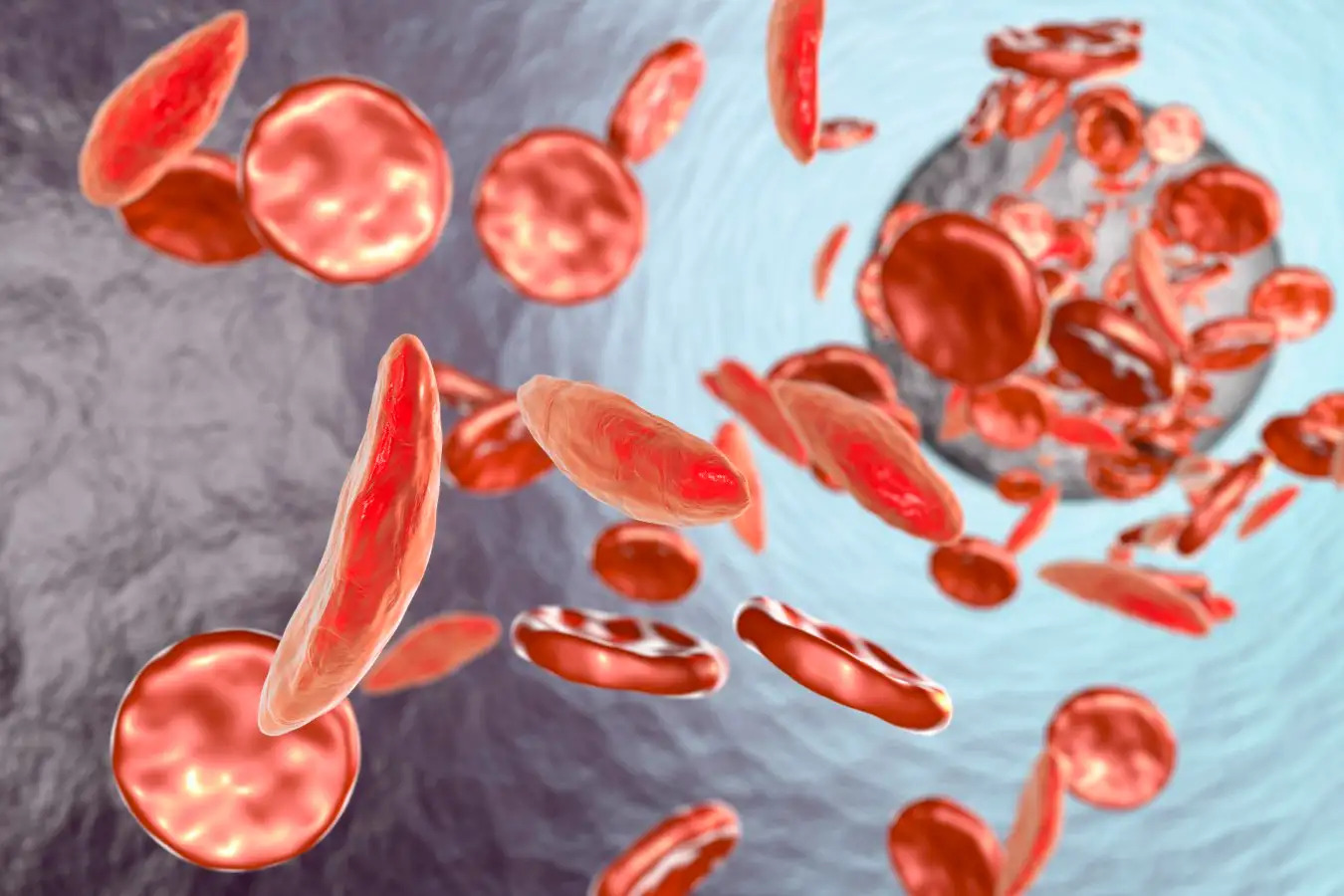
Sickle cell disease is an inherited blood disorder that affects the shape and function of red blood cells. Instead of the normal round and flexible shape, sickle cell red blood cells become crescent or "sickle" shaped, which can lead to a variety of complications.
These sickle-shaped cells can get stuck in small blood vessels, blocking the flow of blood and oxygen to tissues throughout the body. This can cause episodes of severe pain, known as sickle cell crises, as well as other serious complications such as stroke, acute chest syndrome, and organ damage.
Sickle cell disease is most common among people whose ancestors came from sub-Saharan Africa, South America, the Caribbean islands, the Middle East, and the Mediterranean region. In the United States, it is estimated that sickle cell disease affects approximately 100,000 individuals, with the majority being of African descent.
Advancements in Sickle Cell Treatment
Over the past few decades, there have been significant advancements in the treatment of sickle cell disease, offering patients and their families more hope and better outcomes.
Hydroxyurea Therapy
One of the most notable breakthroughs in sickle cell treatment is the use of hydroxyurea, a medication that can help reduce the frequency and severity of sickle cell crises. Hydroxyurea works by increasing the production of fetal hemoglobin, a type of hemoglobin that can prevent the red blood cells from sickle-ing. Studies have shown that hydroxyurea can significantly reduce the number of hospitalizations and improve the overall quality of life for individuals with sickle cell disease.
Gene Therapy
Another exciting development in sickle cell treatment is the emergence of gene therapy. Researchers are exploring ways to use gene-editing technologies, such as CRISPR, to correct the genetic mutation that causes sickle cell disease. While still in the early stages of clinical trials, gene therapy holds the promise of a potential cure for sickle cell disease, offering patients the possibility of a life free from the debilitating symptoms of the condition.
Stem Cell Transplants
Stem cell transplants, also known as bone marrow transplants, are another treatment option for individuals with sickle cell disease. This procedure involves replacing the patient's abnormal blood-forming stem cells with healthy stem cells from a matched donor. While the risks and complications of stem cell transplants can be significant, this approach has the potential to cure sickle cell disease in some patients, particularly those with severe and life-threatening complications.
Holistic Approach to Sickle Cell Management
Effective management of sickle cell disease requires a comprehensive, holistic approach that addresses the physical, emotional, and social needs of the patient. This multifaceted approach can help individuals with sickle cell disease achieve the best possible outcomes and improve their overall quality of life.
Pain Management
Pain is a common and debilitating symptom of sickle cell disease, and effective pain management is crucial for improving the patient's quality of life. In addition to pharmacological interventions, such as pain medications and hydroxyurea, patients can also benefit from non-pharmacological strategies, including physical therapy, acupuncture, and mindfulness-based techniques.
Preventive Care
Preventive care is essential for individuals with sickle cell disease, as it can help reduce the risk of complications and improve overall health. This includes regular check-ups with a hematologist, routine vaccinations, and the management of any underlying conditions, such as high blood pressure or diabetes.
Emotional and Psychosocial Support
The emotional and psychosocial impact of living with a chronic condition like sickle cell disease can be significant. Patients and their families may struggle with anxiety, depression, and feelings of isolation. Providing access to mental health resources, support groups, and counseling services can help individuals cope with the challenges of the disease and improve their overall well-being.
Lifestyle Modifications
Lifestyle modifications can also play a crucial role in managing sickle cell disease. This may include maintaining a healthy diet, staying hydrated, getting enough rest, and avoiding triggers that can precipitate sickle cell crises, such as extreme temperatures, dehydration, and strenuous physical activity.
Empowering Patients and Caregivers
Effective management of sickle cell disease requires a collaborative effort between patients, caregivers, and healthcare providers. By empowering individuals with sickle cell disease and their loved ones with the knowledge and resources they need, we can help them take an active role in their care and improve their overall quality of life.
Patient Education
Providing comprehensive patient education is essential for empowering individuals with sickle cell disease. This may include information about the disease, its symptoms, and the available treatment options, as well as practical strategies for managing the condition on a day-to-day basis.
Caregiver Support
Caregivers play a crucial role in supporting individuals with sickle cell disease, and they too need access to resources and support. This may include education about the disease, strategies for providing effective care, and emotional support to help them cope with the challenges of caregiving.
Advocacy and Community Engagement
Advocacy and community engagement are also important for individuals with sickle cell disease. By connecting with patient advocacy groups, participating in clinical trials, and raising awareness about the condition, patients and their families can help drive progress in sickle cell research and improve access to quality care.
Conclusion
Sickle cell disease is a complex and challenging condition, but with the right approach, individuals with sickle cell can live full, healthy, and fulfilling lives. By staying informed about the latest advancements in treatment, embracing a holistic approach to care, and empowering patients and caregivers, we can help those affected by sickle cell disease navigate the complexities of the condition and achieve their best possible outcomes.