New Research Could Change Our Understanding of Autism
-
 Loading...
 - Nolan Doyle
- 20 Oct 2022
- 72 Views
- 0 Like
- 0 Comment
Research on identifying facial emotional expressions may alter how we see autism.
There is a widespread belief that autistic people are poor at recognizing the emotions of others and have little insight into how effectively they do so.
However, a recent Australian study has demonstrated that individuals with autism are just slightly less accurate than their non-autistic peers at recognizing facial expressions of emotion.
Recent research shows we may need to reevaluate widely held beliefs that adults with autism experience difficulties with social emotion recognition and have little insight into their processing of other people’s facial expressions. The findings were recently published in the journal Autism Research.
In a Flinders University study, 63 individuals with autism and 67 non-autistic adults (with IQs ranging from 85 to 143) took part in three 5-hour sessions comparing their identification of 12 human facial emotion expressions such as anger and sadness.
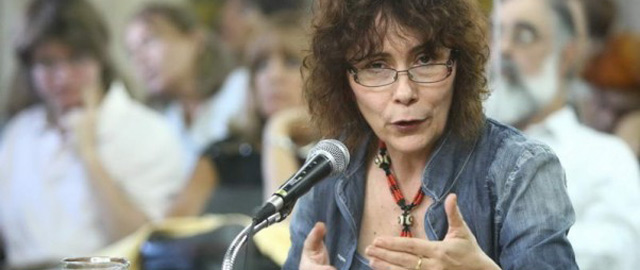
During her Ph.D., Dr. Marie Georgopoulos gathered a broad range of data, with later reanalyses by the research team serving as the foundation for a series of research papers.
The results could mean social difficulties linked with autism may actually reflect differences that only become apparent in certain social interactions or high-pressure scenarios, challenging the perspective that autistic adults can’t adequately read facial emotion expressions. Read More...