Scientists Discover a Previously Unknown Plant Mechanism – And Its Impact Could Be Enormous
-
 Loading...
 - Tereza Dvorak
- 20 Oct 2022
- 64 Views
- 0 Like
- 0 Comment
Scientists find that meiotic exit in Arabidopsis is driven by P-body-mediated inhibition of translation
A previously unidentified mechanism for reprogramming gene expression during the transition when one cell differentiates into another has been uncovered by Albert Cairó, Karel Riha, and their colleagues. The mechanism occurs at the conclusion of meiosis, a specialized cell division required for sexual reproduction, and allows germ cells and pollen to differentiate.
This mechanism involves the dynamic localization of essential regulatory components into intracellular condensates that resemble liquid droplets. This process is directly tied to seed production and may offer up new avenues for generating more sustainable crops that can withstand harsher environmental conditions. The findings were recently published in the prestigious journal Science.
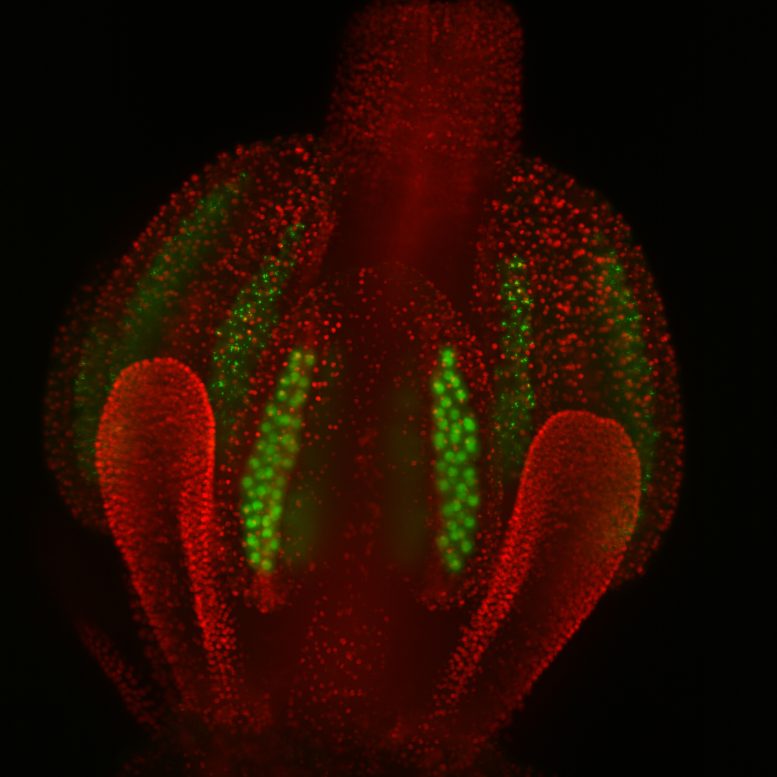
Cells are not static things; they change from one type to another. The activation of a certain collection of genes influences how cells specialize in completing specific tasks and when they divide or differentiate. Cell biologists like Albert Cairó and Karel Riha use a combination of sophisticated scientific methods to investigate the plant’s micro-world. Cellular biology is currently undergoing a revolution, with the traditional perspective of cell organization being expanded to new horizons.
“Now we know that the cell not only contains traditional organelles delineated by a membrane but many molecular processes are confined inside less defined membrane-less organelles, also called biomolecular condensates (biocondensates). During the last ten years, the importance of these biocondensates has started being recognized. We now contribute to this field by showing how a specific type of biocondensate forms at the end of meiosis and inhibits protein synthesis,” explains Albert Cairó, the first author of this research. Read More...