Nigeria Aims to Become the Aviation Hub of Africa
-
 Loading...
 - Jide Foster
- 17 Jan 2025
- 205 Views
- 0 Like
- 0 Comment
Nigeria is setting its sights on becoming the "aviation hub of Africa," bolstered by its full ratification of the Cape Town Convention last year. This move is expected to enhance the country's aviation sector by providing legal safeguards that will lower risks for lessors leasing aircraft to local airlines.
At the Airline Economics Growth Frontiers conference held in Dublin on January 13, Aviation Minister Festus Keyamo emphasized the significance of the Cape Town Convention in attracting international investment in Nigeria's aviation industry. He stated, “Those who bring their equipment to Nigeria are safe, because we are compliant with the Cape Town Convention. I can give my personal guarantee on that. We are here to let the world know that we are open for business.”
Despite being Africa’s most populous country and its fourth-largest economy, Nigeria has faced challenges in establishing a strong home-grown airline sector and an international flag carrier. Concerns over the robustness of the Nigerian legal system have historically deterred lessors from financing aircraft, fearing difficulties in asset recovery.
However, Keyamo highlighted that there are currently 23 private airlines operating in Nigeria, with several poised to evolve into a national carrier. “Our role is to empower these local operators to grow,” he noted, emphasizing the country’s free-market economy that encourages private sector participation. “There is no reason now why some of these local operators cannot grow.”
Nigeria's geographical position—equidistant from North, South, and East Africa—places it in a prime position to become a central hub for air travel across the continent. Keyamo pointed out that the Lagos-London route is one of the busiest in Africa, further underscoring Nigeria's potential as a crossroads for air travel.
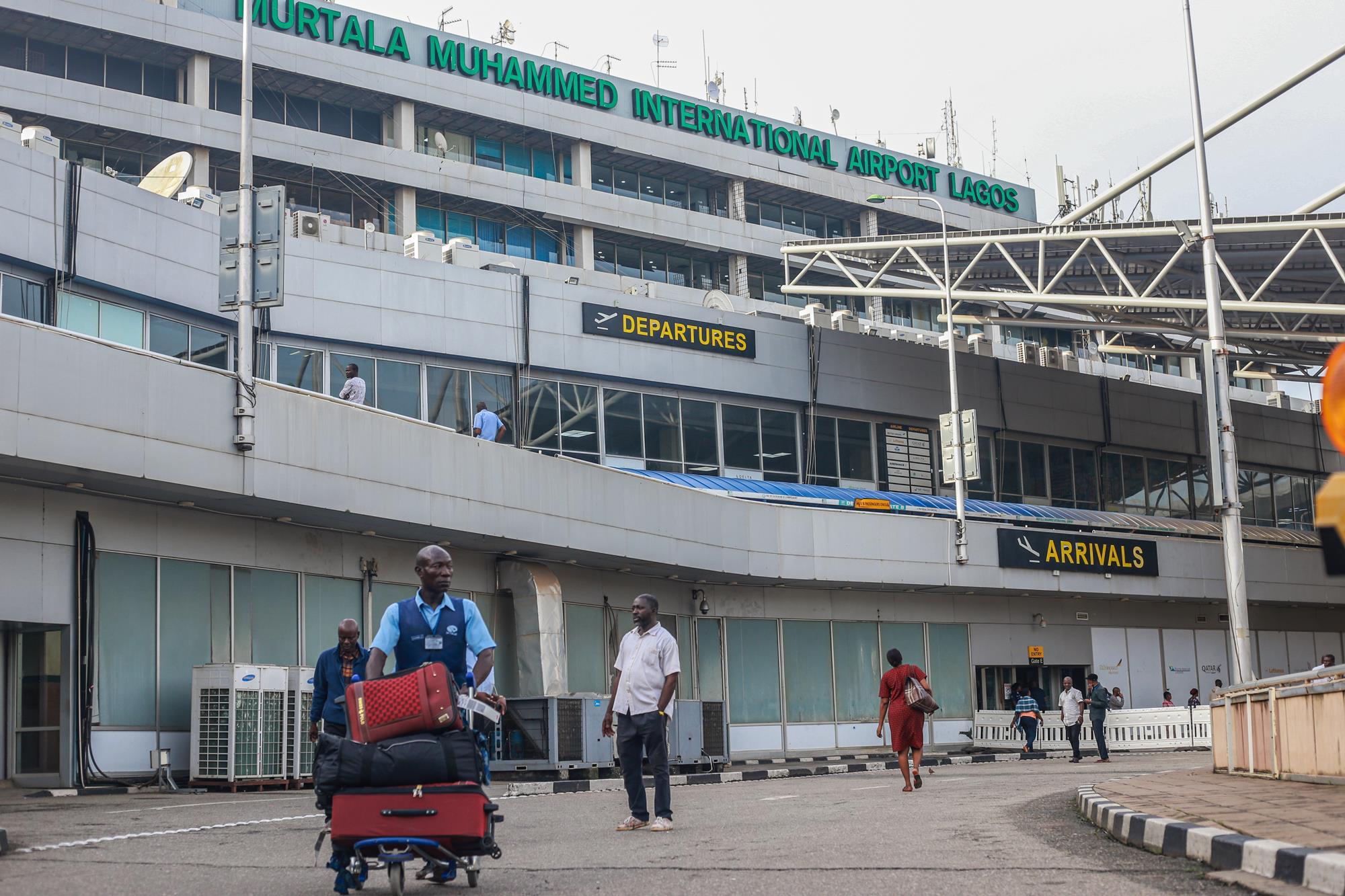
In addition to enhancing Lagos as a major aviation center, Keyamo expressed a desire to develop other airports across the country. “We will be inviting the biggest players in the world to manage our airports with the aim of making them transit hubs,” he stated.
To further solidify Nigeria's position in the global aviation landscape, the government is organizing the Nigeria International Airshow, a three-day industry convention scheduled for December at a Lagos airport hotel. This event aims to showcase Nigeria's aviation potential and attract international stakeholders.
Keyamo also noted that the aviation sector is integral to President Bola Ahmed Tinubu’s ambition of creating a trillion-dollar economy. “We are seeing a lot of transition into the middle class, and the aviation sector must be ready. Nigeria is on a transformational journey,” he remarked.
In August of the previous year, the Nigerian government signed a memorandum of understanding with Boeing to facilitate easier access for local airlines to acquire new-generation aircraft, as well as training and maintenance services. This partnership is expected to further enhance the capabilities of Nigeria's aviation sector.
With strategic initiatives and a commitment to improving its aviation infrastructure, Nigeria is poised to become a key player in the African aviation market. The government's focus on empowering local airlines, attracting international investment, and enhancing airport management will be crucial in realizing its vision of becoming the aviation hub of Africa.