Old habits die hard: Why teachers in Indonesia still struggle to teach critical thinking
-
 Loading...
 - hisae yamada
- 31 Mar 2023
- 108 Views
- 0 Like
- 0 Comment
In an increasingly digitalized and automated world, education organizations worldwide have recognized critical thinking as a vital and valued skill in the 21st century. It equips students with the ability to criticize and sift through the large amounts of information now at their fingertips, and analyze unique problems to create novel solutions.
In many countries, including Indonesia, critical thinking is enshrined in policy. Indonesia's newest curriculum, for instance, dubbed "Kurikulum Merdeka" (Freedom Curriculum) for its emphasis on personalized learning, explicitly states critical thinking as an essential quality for graduates.
One of Indonesia's first policies that specifically mandated Indonesian teachers to embed critical thinking in their classroom was enacted in 2010—more than a decade ago.
Yet despite the existence of such policies, our recent study finds that many Indonesian teachers still struggle to teach and cultivate the skill.
Though awareness of critical thinking is high, when teaching the skill, teachers still fall back on old habits ingrained in Indonesian education. This includes a culture of rote learning (lessons based on memorizing information) and "teaching to test."
In the latest Programme for International Student Assessment (PISA) tests in 2018, Indonesian students ranked within the bottom ten out of nearly 80 participating countries. They attained very low marks in a number of critical thinking-related indicators—namely literacy and numeracy.
Old habits die hard
One reason for this problem lies in the questions Indonesian teachers pose in their classrooms.
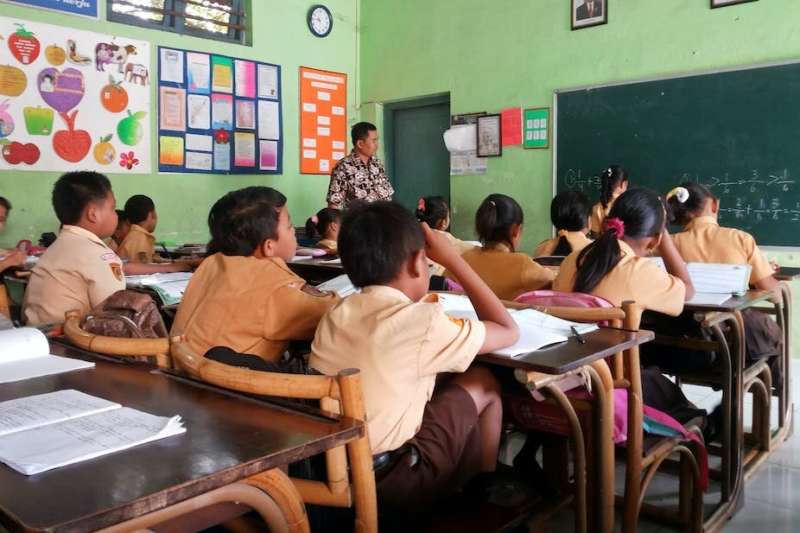
In our study of English classrooms in a number of Indonesian high schools, we found that instead of encouraging students to think and reflect, teachers strictly follow an "initiate-respond-evaluate" pattern of instruction. In other words, teachers stick to merely "testing" or "quizzing" students and telling them whether the answer is correct. Read More…