Olympic sport funding is hugely bloated and needs radical overhaul – Ed Warner
-
 Loading...
 - Monike Theodote
- 06 Aug 2021
- 1051 Views
- 0 Like
- 0 Comment
The funding of Olympic sport in Britain is “bloated”, “flawed” and needs a “radical overhaul” to end the dependency on national lottery money, a leading voice in the system has told the Guardian.
Ed Warner, who was chair of UK Athletics until last year and has since worked at British Equestrian and British Basketball, also claimed that there are too many people receiving funding and “some of the bigger sports have so much money they don’t know what to do with it”.
UK Sport invests £100m into elite sport each year, but that figure is expected to drop after the Tokyo Olympics in 2020. At the same time, many smaller sports – such as wheelchair rugby and badminton – are not funded, which has led to pressure on the system.
Warner’s solution is for all Olympic sports to be required to fund 25% of their programmes through sponsorship, commercial activity or other means after Tokyo, thus saving the system £18m a year. That, he said, would be more than enough to give all Olympics sports a core level of funding – including those currently missing out. “The funding system has achieved its purpose, but its flaws have increasingly become apparent,” he said. “It needs a radical overhaul to make it both fairer and to respond to the tougher financial realities round the corner.
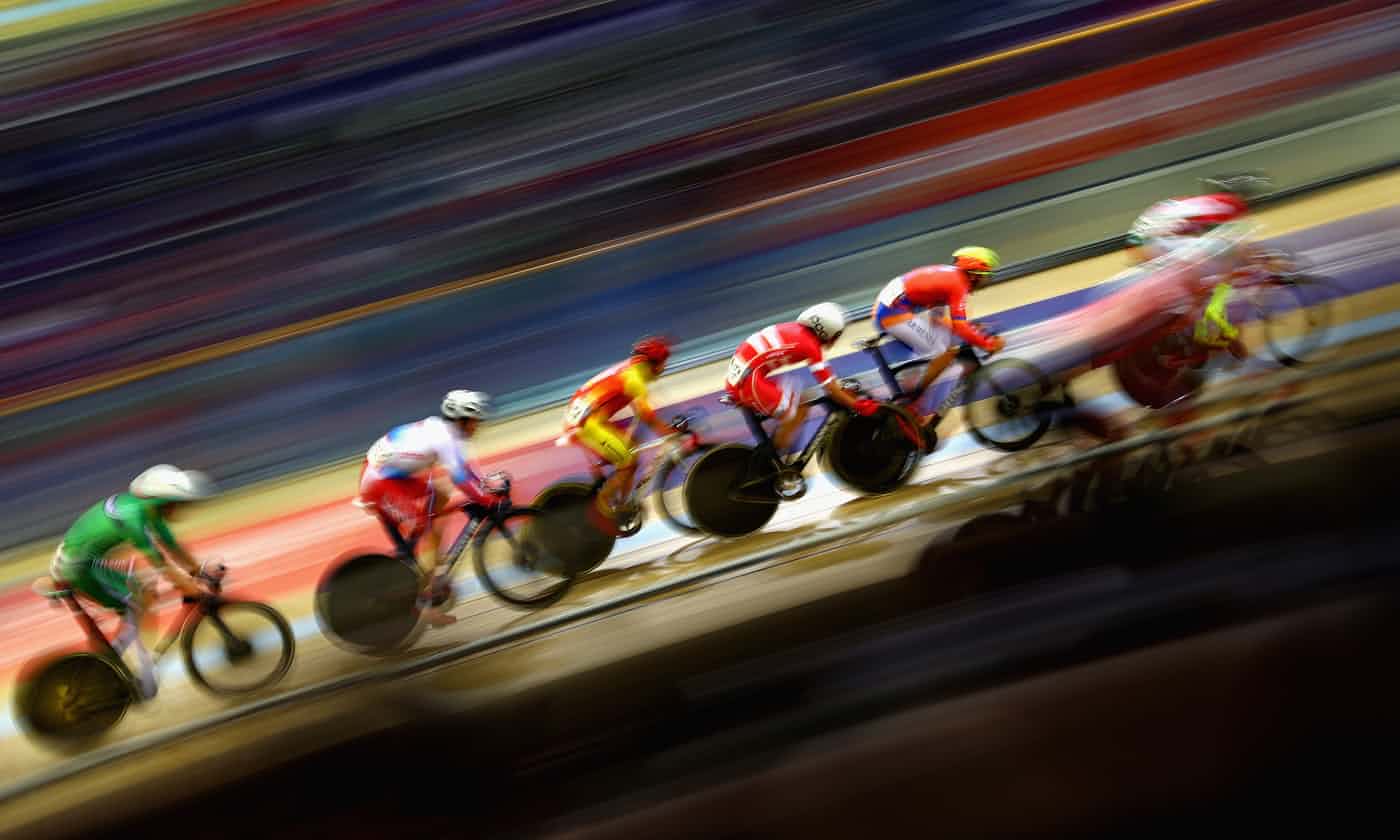
“Does cycling really need the size of programme it has, given 92 riders are funded on the Olympic programme?” he added. “That is a huge amount relative to the size of the team entered into the Games. And do you really need 76 athletes in track and field on the Olympic programme? Or 65 sailors and 54 swimmers? If you told each governing body to start to fund a quarter of their programme they would have to cut a lot of the fat and I don’t think we would lose any medals. Things have just become bloated.”
As thing stand, sports are funded by UK Sport over four years on their perceived medal potential – with, for instance, sailing getting £26m, canoeing £20m, equestrianism £18m, and curling £6.35m. Warner’s plans would mean these sports would have to show they have public or commercial appeal or see a drop in their budgets.
“You would be turning around to a sport like curling and saying: ‘You have to find 25% yourself,’” added Warner, who said his proposals would only apply to Olympic and not Paralympic sport. “And if they can’t find it, then that probably says their programme is too lavish. You probably also have to ask where are the knock-on benefits to society from some of the esoteric sports.”
Warner’s intervention comes with an open consultation by UK Sport into the future funding of elite sport due to end in a fortnight, with some fearing the way its public questionnaire is structured favours the status quo. But Warner hopes his proposals will steer the debate in a more radical direction.
“British rowing currently gets £32m for its Olympic programme,” he said. “If you said it had to fund 25% of that for the Paris Olympics [in 2024], that is £2m a year. That is perfectly do-able. It has reserves of £7m. It could speak to commercial partners or trim its expenses.
“Not only would these plans save £18m a year, but it would also put the onus on governing bodies to stop riding the lottery bandwagon. And it would mean we could afford to give wheelchair rugby £750,000 a year to fund all its activities, or British basketball £1m so that it could put eight teams on courts.”
Warner also called for athletes to only be funded for two Olympic cycles – and said that bigger names who earn hundreds of thousands each year should not get free ancillary support. “Mo Farah would be a good example,” he said. “He gets means-tested out of an athlete performance award, and that is right, but he still gets free physiotherapy, sport science and coaching from the lottery. Why?
“Olympic sports stars with significant earnings are the equivalent of being a golfer or tennis player – they should pay their own way.”
A UK Sport spokesperson said: “We called for a wide and open debate on the future funding of Olympic and Paralympic sport and welcome all contributions to it. Our consultation remains open until August 18 and we are encouraging anyone with an interest to take part.”