Our Higher Education System Can No Longer Compete Internationally
-
 Loading...
 - Clarke Babcock
- 16 Oct 2024
- 65 Views
- 0 Like
- 0 Comment
As a nation that once held education in high esteem, it is disheartening to witness the decline of our higher education system. Chronic underinvestment has led to a state of disrepair that should alarm us all. Despite the warnings from senior figures in higher education, the urgency of this issue often gets overshadowed by more pressing national crises, such as housing and healthcare.
At first glance, higher education may seem to be functioning adequately. Students and their families often view it as a necessary step toward adulthood and employment, focusing on the immediate benefits rather than the long-term implications of a declining educational landscape. However, the reality is stark: our higher education system is no longer competitive on the international stage and is in a phase of undevelopment. It is frightening to consider that, in just a few decades, the value of a degree from our institutions may diminish significantly.
The neglect of higher education by successive governments has not only devalued our degrees but has also impoverished the student experience and limited researchers' ability to contribute positively to Irish society. Once, our universities were instrumental in transforming Ireland into a modern, influential society. Now, they are met with disregard, a betrayal of the hard work and innovation that once flourished within their walls.
According to the Government’s own Funding the Future report from 2022, Irish higher education requires an additional €307 million in annual core funding to meet performance targets. Yet, the funding allocated in recent budgets falls woefully short: €40.5 million in Budget 2023, €65.2 million in 2024, and an additional €50 million in Budget 2025, with a promise of €150 million by 2029. Even with these increases, the government will not close the identified funding gap by the end of the decade.
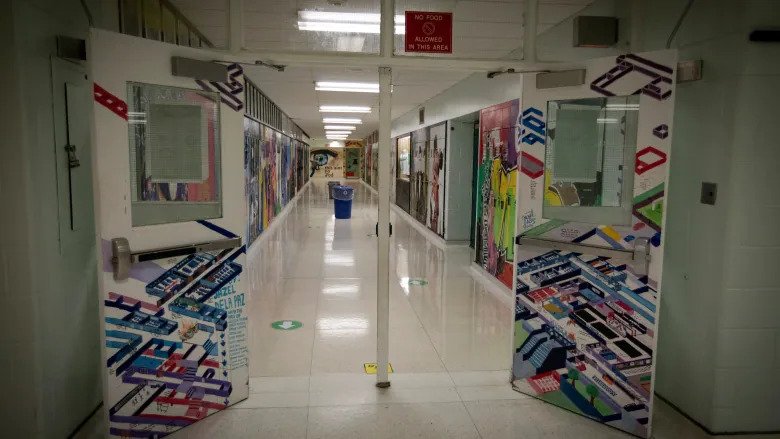
When a government acknowledges a funding shortage yet fails to address it, it signals a troubling ideological shift: higher education is no longer valued by the State. The impact of this underfunding is not merely a matter of numbers; it translates into real-world consequences. At some of Ireland’s most prestigious universities, staff often lack access to basic resources, including essential software and even stationery. A tour of these campuses reveals staff and students working in temporary structures or, in some cases, without any office space at all.
As the student experience deteriorates, fewer students engage meaningfully with campus life. Once vibrant campuses, alive with students debating ideas and collaborating late into the night, are becoming increasingly quiet. Rising education costs force students to work more, while budget cuts have eliminated evening catering services, further isolating them from campus culture.
Research, which should be the lifeblood of higher education, is also suffering. Many staff members lack access to essential resources that are standard at reputable institutions worldwide, such as high-performance computing, research databases, and funding for conferences. Instead of focusing on teaching and research, academics are compelled to chase external funding opportunities, filling out grant proposals rather than engaging with students or advancing their research agendas. This shift creates a competitive environment that prioritizes individual success over collective excellence, distorting institutional hierarchies and undermining the collaborative spirit that should define academia.
The loss of experienced staff, who often go unreplaced, further drains departments of essential expertise, increasing the burden on remaining faculty members. This precarious situation not only affects teaching quality but also diminishes the overall educational experience for students.
While Ireland performs reasonably well in global wellbeing metrics, the lack of investment in higher education reflects a broader lack of commitment to the nation’s social, cultural, and economic prosperity. Innovation, critical thinking, and the creation of new knowledge are essential for addressing the grand challenges of our time. Universities have historically been the breeding grounds for such progress, serving the public good through the advancement of ideas and the betterment of society. However, decades of underinvestment have led to an intellectual malaise, stifling our ability to innovate and leaving our future in the hands of private entities that operate at a pace far exceeding that of our universities.
As a country that once prioritized the value of education, we should be deeply ashamed of allowing our institutes of higher education to deteriorate. It is time to recognize the critical role that higher education plays in shaping our society and to take decisive action to restore its integrity and effectiveness. The future of our nation depends on it.