Home Upload Photo Upload Videos Write a Blog Analytics Messaging Streaming Create Adverts Creators Program
Bebuzee Afghanistan Bebuzee Albania Bebuzee Algeria Bebuzee Andorra Bebuzee Angola Bebuzee Antigua and Barbuda Bebuzee Argentina Bebuzee Armenia Bebuzee Australia Bebuzee Austria Bebuzee Azerbaijan Bebuzee Bahamas Bebuzee Bahrain Bebuzee Bangladesh Bebuzee Barbados Bebuzee Belarus Bebuzee Belgium Bebuzee Belize Bebuzee Benin Bebuzee Bhutan Bebuzee Bolivia Bebuzee Bosnia and Herzegovina Bebuzee Botswana Bebuzee Brazil Bebuzee Brunei Bebuzee Bulgaria Bebuzee Burkina Faso Bebuzee Burundi Bebuzee Cabo Verde Bebuzee Cambodia Bebuzee Cameroon Bebuzee Canada Bebuzee Central African Republic Bebuzee Chad Bebuzee Chile Bebuzee China Bebuzee Colombia Bebuzee Comoros Bebuzee Costa Rica Bebuzee Côte d'Ivoire Bebuzee Croatia Bebuzee Cuba Bebuzee Cyprus Bebuzee Czech Republic Bebuzee Democratic Republic of the Congo Bebuzee Denmark Bebuzee Djibouti Bebuzee Dominica Bebuzee Dominican Republic Bebuzee Ecuador Bebuzee Egypt Bebuzee El Salvador Bebuzee Equatorial Guinea Bebuzee Eritrea Bebuzee Estonia Bebuzee Eswatini Bebuzee Ethiopia Bebuzee Fiji Bebuzee Finland Bebuzee France Bebuzee Gabon Bebuzee Gambia Bebuzee Georgia Bebuzee Germany Bebuzee Ghana Bebuzee Greece Bebuzee Grenada Bebuzee Guatemala Bebuzee Guinea Bebuzee Guinea-Bissau Bebuzee Guyana Bebuzee Haiti Bebuzee Honduras Bebuzee Hong Kong Bebuzee Hungary Bebuzee Iceland Bebuzee India Bebuzee Indonesia Bebuzee Iran Bebuzee Iraq Bebuzee Ireland Bebuzee Israel Bebuzee Italy Bebuzee Jamaica Bebuzee Japan Bebuzee Jordan Bebuzee Kazakhstan Bebuzee Kenya Bebuzee Kiribati Bebuzee Kuwait Bebuzee Kyrgyzstan Bebuzee Laos Bebuzee Latvia Bebuzee Lebanon Bebuzee Lesotho Bebuzee Liberia Bebuzee Libya Bebuzee Liechtenstein Bebuzee Lithuania Bebuzee Luxembourg Bebuzee Madagascar Bebuzee Malawi Bebuzee Malaysia Bebuzee Maldives Bebuzee Mali Bebuzee Malta Bebuzee Marshall Islands Bebuzee Mauritania Bebuzee Mauritius Bebuzee Mexico Bebuzee Micronesia Bebuzee Moldova Bebuzee Monaco Bebuzee Mongolia Bebuzee Montenegro Bebuzee Morocco Bebuzee Mozambique Bebuzee Myanmar Bebuzee Namibia Bebuzee Nauru Bebuzee Nepal Bebuzee Netherlands Bebuzee New Zealand Bebuzee Nicaragua Bebuzee Niger Bebuzee Nigeria Bebuzee North Korea Bebuzee North Macedonia Bebuzee Norway Bebuzee Oman Bebuzee Pakistan Bebuzee Palau Bebuzee Panama Bebuzee Papua New Guinea Bebuzee Paraguay Bebuzee Peru Bebuzee Philippines Bebuzee Poland Bebuzee Portugal Bebuzee Qatar Bebuzee Republic of the Congo Bebuzee Romania Bebuzee Russia Bebuzee Rwanda Bebuzee Saint Kitts and Nevis Bebuzee Saint Lucia Bebuzee Saint Vincent and the Grenadines Bebuzee Samoa Bebuzee San Marino Bebuzee São Tomé and Príncipe Bebuzee Saudi Arabia Bebuzee Senegal Bebuzee Serbia Bebuzee Seychelles Bebuzee Sierra Leone Bebuzee Singapore Bebuzee Slovakia Bebuzee Slovenia Bebuzee Solomon Islands Bebuzee Somalia Bebuzee South Africa Bebuzee South Korea Bebuzee South Sudan Bebuzee Spain Bebuzee Sri Lanka Bebuzee Sudan Bebuzee Suriname Bebuzee Sweden Bebuzee Switzerland Bebuzee Syria Bebuzee Taiwan Bebuzee Tajikistan Bebuzee Tanzania Bebuzee Thailand Bebuzee Timor-Leste Bebuzee Togo Bebuzee Tonga Bebuzee Trinidad and Tobago Bebuzee Tunisia Bebuzee Turkey Bebuzee Turkmenistan Bebuzee Tuvalu Bebuzee Uganda Bebuzee Ukraine Bebuzee United Arab Emirates Bebuzee United Kingdom Bebuzee Uruguay Bebuzee Uzbekistan Bebuzee Vanuatu Bebuzee Venezuela Bebuzee Vietnam Bebuzee World Wide Bebuzee Yemen Bebuzee Zambia Bebuzee Zimbabwe
Blog Image

Oussekine: The police killing that shocked France

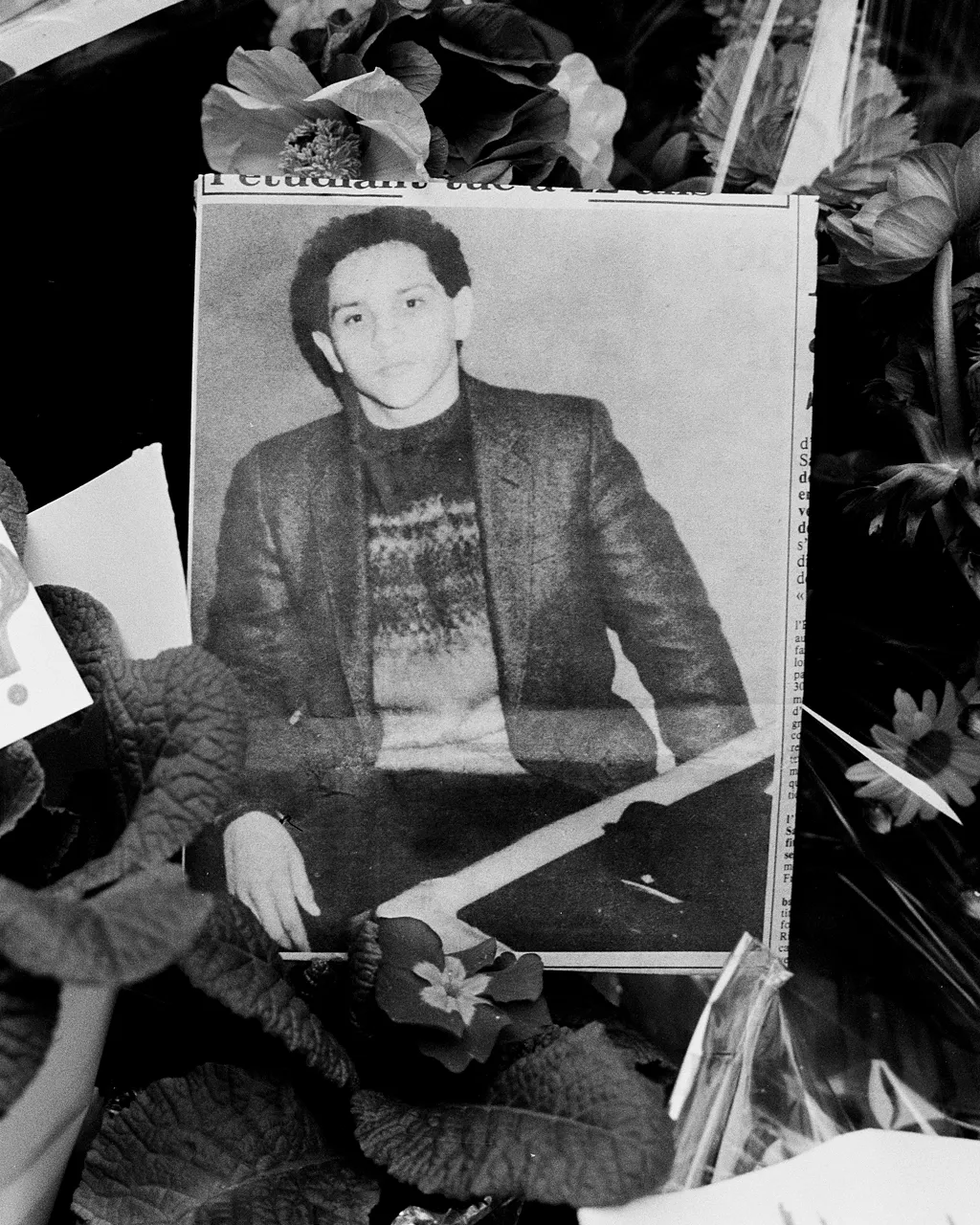
In 1986, Paris student Malik Oussekine died after being clubbed by police batons. It was a horrendous incident that is now the subject of a new Disney+ miniseries, writes Kaleem Aftab.


If there is one work that defines modern French cinema, it's 1995's La Haine, the bruising drama about three young immigrant men living in Paris' suburbs. But Matthieu Kassovitz's tour-de-force was in fact partly inspired by a real-life tragedy which is now receiving its own dramatisation. New miniseries Oussekine, which is the first original French commission from Disney+, tells the story of what happened in 1986, when French-Algerian student Malik Oussekine died in police custody, provoking national uproar.
When it comes to events in France's recent history to look back on, Oussekine's death could hardly be more pertinent. "It had an immediate impact on French society. It caused the cancellation of planned government reforms of universities, known as the Devaquet law," says Fabien Lemercier, the French correspondent for film website Cineuropa. "But more importantly, it had a very strong and still ongoing influence on how the French public views and denounces police violence." What's more, it raised serious questions about the country's treatment of immigrants, especially from its former colonies, that are still extremely resonant today, at a time when the recent presidential campaign was contested by the far-right politician Marine Le Pen, who is known for her anti-immigrant policies, and coloured by questions around French identity, European citizenship and the treatment of the Muslim community.
 

Indeed, the story remains so relevant that in addition to the TV series, a new film, Nos Frangins (Our Brothers), about the night of Oussekine's murder, directed by Rachid Bouchareb, will debut at this month's Cannes Film Festival.

The terrible events

So what happened on that fateful night of 6 December 1986? Oussekine had the misfortune to be walking in a Paris street near the student protests against proposed changes to the university admission system and the introduction of tuition fees, when he was set upon by the police, as they tried to clamp down on the protestors; witnesses reported him being chased by them into a building and clubbed with batons. As further detailed in an LA Times report, an ambulance was called – but not long after Oussekine was taken to hospital, he was declared dead. The French public prosecutor then released a statement saying that the wounds he had incurred from being beaten were not substantial enough to have killed him, and that he died as a result of a heart attack instead. Nonetheless, there were riots in Paris following his death, and it forced France into a period of reflection, especially when it was later revealed that Oussekine had died in the hallway where he had been beaten by police. In January 1990, two policemen, Jean Schmitt and Christophe Garcia, were charged with causing his death, though they both only received suspended prison sentences.

There had been a period of hope for a lot of immigrants in the early 1980s – but the death of Oussekine was the beginning of a less rosy reality – Antoine Chevrollier

With La Haine, the tragic incident left an impact on French culture, as well as society more generally. Oussekine's death is referenced in the film's opening montage, via archive footage from the riots that took place after his death, and the film then begins properly with a similar incident of a French man of Arab descent seriously injured in police custody, which sets the plot in motion. La Haine changed French cinema by moving the focus away from the white middle-class bohemians living out love triangles on Paris' Grands Boulevards, beyond the Périphérique, to the run-down Lego-like buildings in the suburbs, or banlieues, where the poor, working-class people lived.

But has France itself changed in the 35 years since his death? That's the question that is inevitably prompted by Oussekine, which looks at this pivotal event in French race relations in a manner akin to how Steve McQueen recently shone a light on black British history, and the injustices therein, in his acclaimed BBC/Amazon series Small Axe.
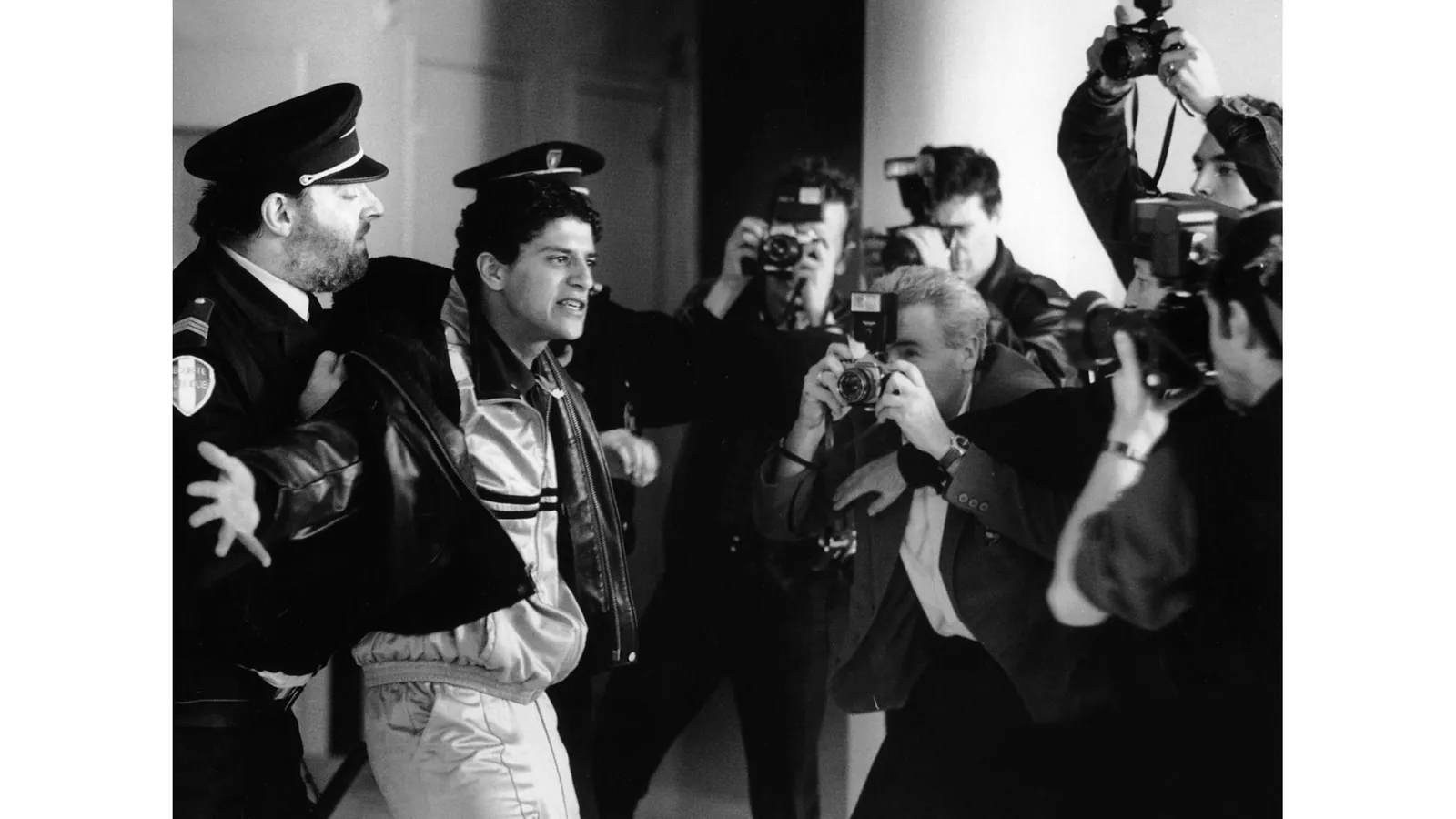
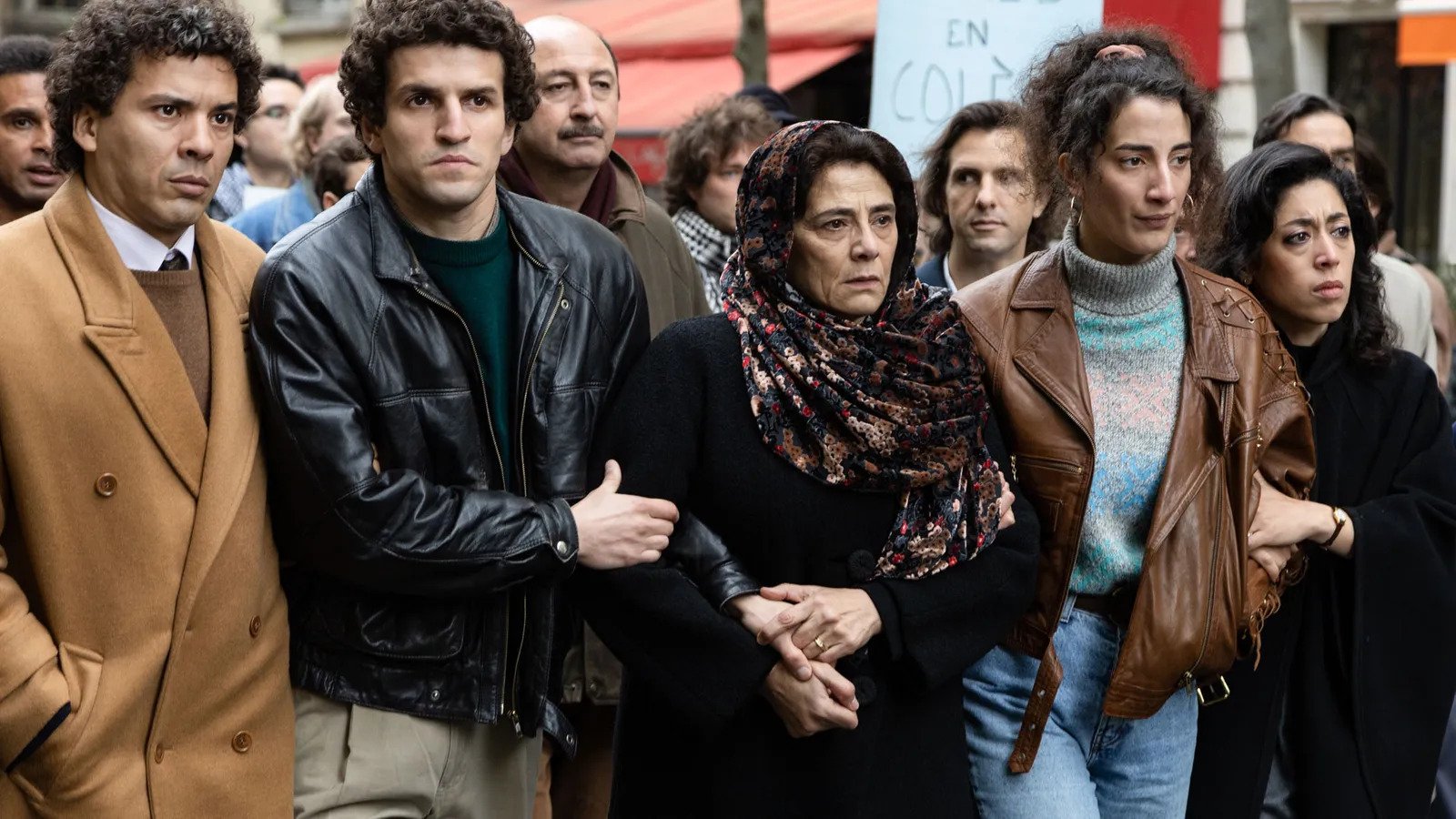
Oussekine tells the story of Oussekine's death from the perspective of the oppressed – not only Oussekine himself but his family, as they fought for justice. It has been created, written and directed by Antoine Chevrollier (previously one of the directors of spy thriller series The Bureau, starring Kassovitz) and co-written by French literary sensation Faïza Guène, as well as Julien Lilti and Cédric Ido, with the writer's room being representative of the multicultural France being depicted on screen. The talent in front of the camera includes Hiam Abbas, the revered Palestinian actress perhaps best known as Marcia Roy in Succession, who plays Oussekine's mother, in what is another incredible performance, alongside rising stars Sayyid El Alami, Malek Lamraoui, Tewfik Jallab, Naidra Ayadi and Mouna Soualem.

Series creator Chevrollier was around 10 years old when he first encountered the tragic story of Oussekine. Too young to watch La Haine, he heard the name on a rap album inspired by the film. "It was a song from the band Assassin called L'état Assassin, and the chorus was "L'état Assassin, une example Malik Oussekine" [The state of the assassin/one example Malik Oussekine], and his name got stamped on my mind."

In March, the first episode of Oussekine played as the closing-night presentation of French television festival Series Mania in Lille, where the audience was spellbound. The opener traces how news of Malik's death filtered through to the rest of the family. Rather than show the moment of death, it concentrates on the anguish that Malik's sister Sarah goes through as she weighs up how and when she will tell her mother that her son is dead.

In an effort to give multiple perspectives on the life and death of Malik, the four episodes are divided thematically. The second concentrates on the police cover-up as they first lie about when and how Malik died and then try to massage the witness accounts and reports to put themselves in the best light possible. The third looks at the story of Oussekine's family, with flashbacks to their life in Algeria starting in 1977 as it traces how Malik's parents made the decision to move to France. The final episode revolves around the court case, asking philosophical questions about the treatment of immigrants and what it means to be a multicultural society. Read More...
 
Previous Post

“The father of the bride”: watch the trailer for the Latin remake of the comedy that will feature a Peruvian actress

Next Post

Box Office: Here's How Local Films Fared During Eid Holidays

Comments